Sudden High Blood Pressure and Headache: How to Judge an Emergency

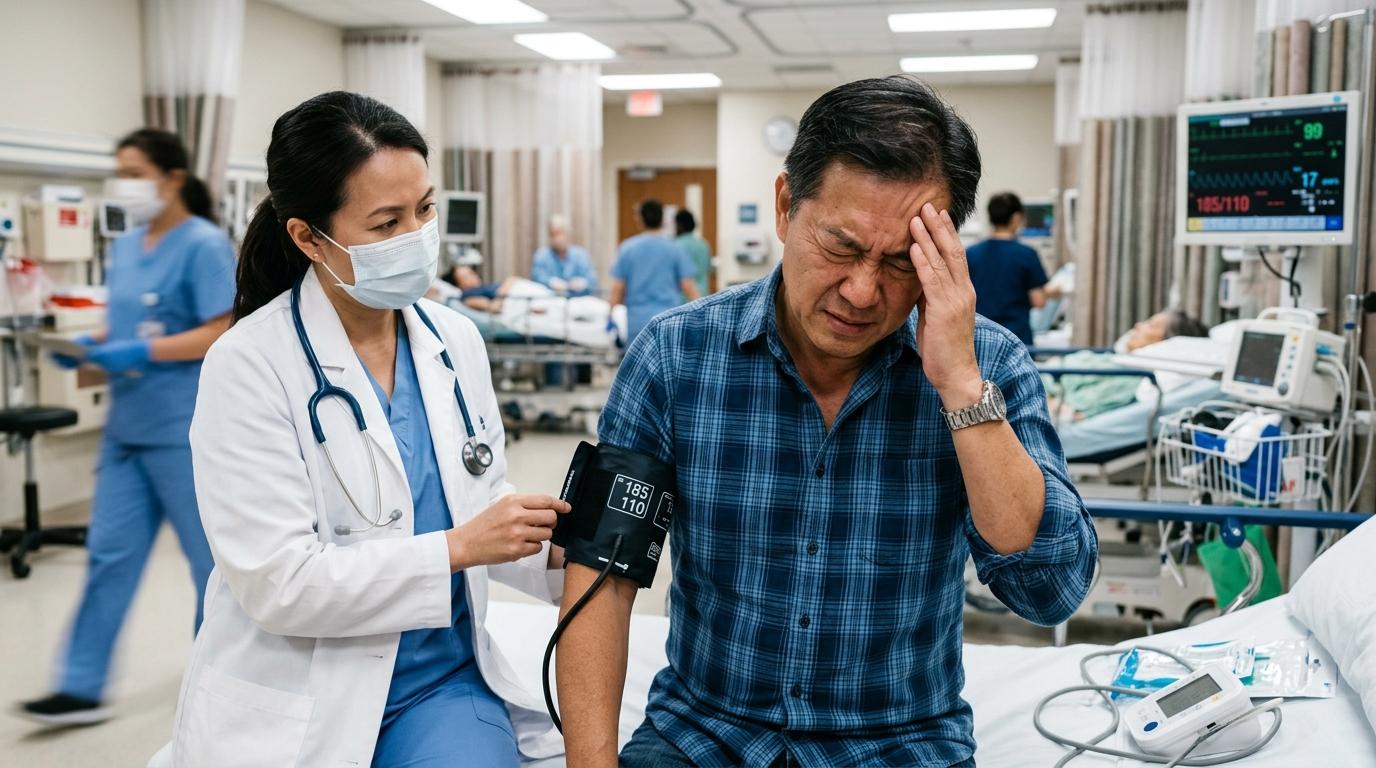
A sudden surge in blood pressure accompanied by an excruciating headache could be more than just feeling unwell; it may signal a life-threatening emergency like a stroke or heart attack. Immediate action in such situations can be directly linked to saving a patient's life, making it paramount to be well-informed about clear judgment criteria and essential information for hospital visits. This article answers readers' specific questions, providing in-depth guidance on how to assess emergencies involving sudden high blood pressure and headaches, and what information is needed for hospital visits.
Sudden High Blood Pressure and Headache: The Reality of Warning Signs
When examining the mechanisms behind rising cranial pressure and severe headaches, it's clear that headaches don't typically occur within normal blood pressure ranges. However, when blood pressure spikes abnormally and rapidly, the pressure exerted on cerebral blood vessels becomes excessively high. This elevated pressure increases the risk of damage or rupture to the delicate blood vessels in the brain, causing a rise in intracranial pressure and drastic changes in cerebral blood flow, leading to severe headaches. This is a clear signal that can escalate into fatal conditions like stroke.
Situations where high blood pressure and headaches coexist should be treated as more than just symptoms; sudden hypertension and severe headaches occurring simultaneously should not be taken lightly. A rapid increase in blood pressure not only significantly elevates the risk of stroke (hemorrhagic or ischemic) but can also cause sudden functional issues in vital organs such as the heart and kidneys, not just the brain. Therefore, the combination of these two symptoms is highly likely to be a clear warning sign of a life-threatening emergency.
Emergency Assessment: 'This' is the Decisive Criterion
It is important to look beyond blood pressure numbers to assess urgency. When judging a hypertensive emergency, blood pressure readings alone are insufficient. Other accompanying symptoms play a decisive role in determining whether it's an emergency. Of particular importance is the presence of neurological symptoms indicative of stroke. For example, if an unbearably sudden, severe headache (thunderclap headache), decreased consciousness, visual disturbances, paralysis or sensory abnormalities in the limbs, or speech difficulties occur, immediate transport to the emergency room is necessary.
If specific warning signs are present, one should not hesitate to call 119 (emergency services). If sudden high blood pressure is accompanied by any of the following symptoms, it should be treated as a time-sensitive emergency, and action should be taken without delay: Sudden paralysis or weakness in one arm or leg, sensory changes, facial drooping on one side, slurred speech or difficulty finding words (aphasia), severe dizziness, or loss of balance, which are characteristic signs of stroke. Visual disturbances such as sudden blurred vision, double vision, or sudden vision loss may also occur. Other warning signs requiring immediate emergency treatment include extremely severe headaches, changes in consciousness (confusion, drowsiness, coma), sudden vomiting (especially projectile vomiting), seizures or convulsions, chest pain, and difficulty breathing.
According to hypertensive emergency classifications and risk levels, international guidelines categorize hypertensive emergencies into two main types. First, Hypertensive Crisis generally refers to a situation where blood pressure rapidly rises to 180 mmHg systolic or higher, or 120 mmHg diastolic or higher. Second, Hypertensive Emergency is classified when evidence of severe organ damage accompanies this hypertensive crisis, requiring immediate blood pressure-lowering treatment and intensive hospital care. In contrast, Hypertensive Urgency, where blood pressure is very high but without clear evidence of organ damage, may require a visit to the emergency room for rapid blood pressure control with oral medications. Organizations like the Korean Society of Hypertension emphasize that if blood pressure rises to 180/120 mmHg or higher, especially with the aforementioned emergency symptoms, particularly neurological ones, one should seek emergency care without delay.
Preparing for Hospital Visits: Essential Information for Swift Diagnosis
Having a checklist of your health status to communicate to medical professionals beforehand greatly aids them in quickly and accurately assessing your condition upon arrival at the emergency room. Patients or their guardians must accurately report any pre-existing conditions such as hypertension, diabetes, hyperlipidemia, heart disease, or cerebrovascular disease. It is also crucial to clearly state all current medications, especially blood pressure medications, anticoagulants, antiplatelet drugs, and antidiabetic agents, including their types and dosages. A detailed account of recent symptoms, including when and how the headache started, its intensity and location, and any accompanying symptoms, should be provided. Furthermore, it is essential to disclose any allergies to specific medications or substances.
Understanding what questions to ask and what tests to expect is also important. After arriving at the hospital, you should inquire about the diagnosed condition and the exact cause of the blood pressure elevation. You should also ask for confirmation of suspected major diseases like stroke, heart attack, or aortic dissection, along with the evidence supporting the diagnosis. Seek explanations regarding the planned treatment and the expected prognosis after treatment. It is also advisable to request specific advice on lifestyle modifications such as diet, exercise, and smoking cessation, as well as long-term health management strategies required after discharge or during recovery. Generally, in emergency situations, basic tests such as CT scans, MRIs of the brain, electrocardiograms (ECG), blood tests, and urine tests may be performed. Actively cooperating with these examinations will lead to prompt and accurate diagnosis and treatment.