iPhone 17: Analyzing Differences in Network Support by Country

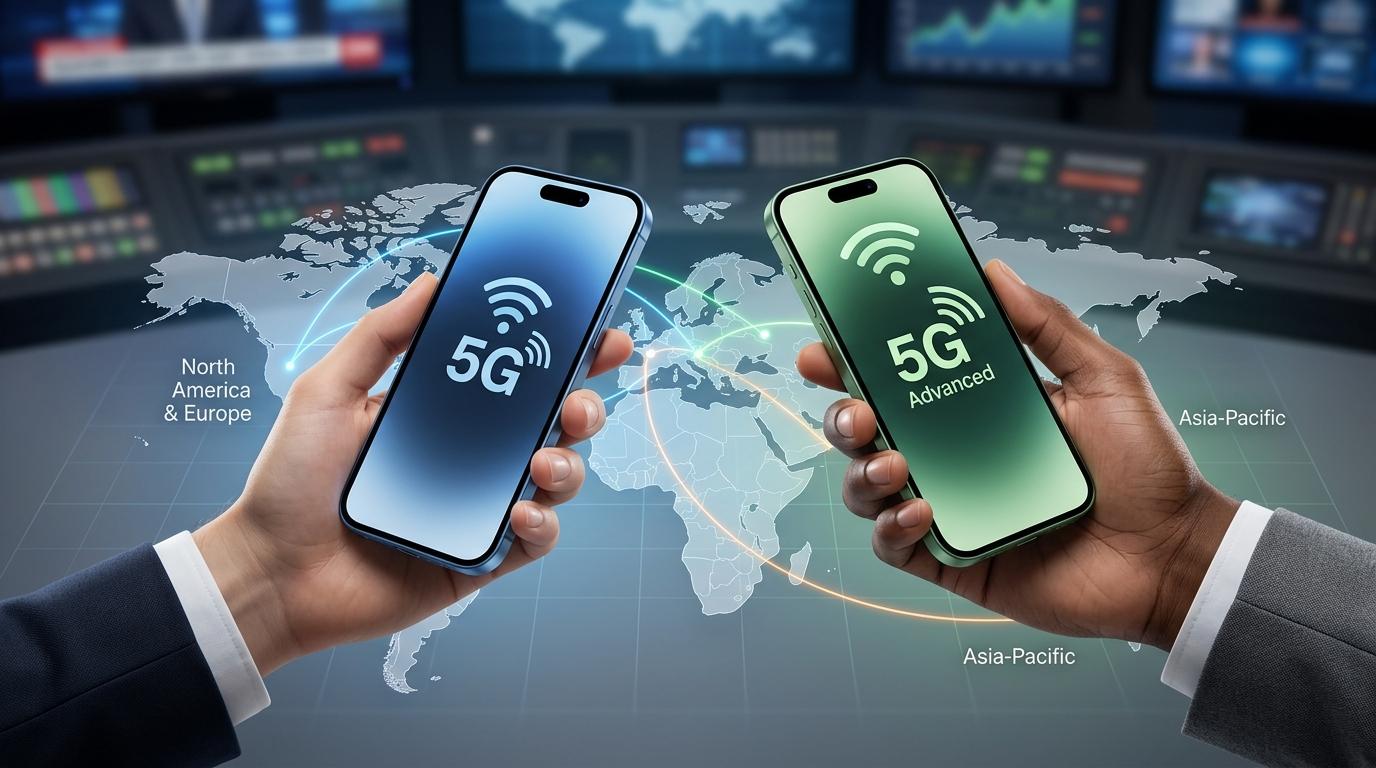
With the impending launch of the iPhone 17 series, there is growing interest in whether the country-specific cellular network support differences observed in past models will continue with the new generation. Apple has historically applied differing network specifications by region, taking into account communication regulations, frequency band allocations, and cellular technology standards. This is likely to manifest in variations in 5G NR frequency band support, expanded eSIM adoption, and the inclusion of region-specific modem chipsets. Consumers considering a purchase therefore need to carefully verify the network environment of their target country and the network specifications supported by a specific iPhone 17 model. This is essential for optimally utilizing the latest technology and preventing unforeseen communication inconveniences.
Examining the background behind the predicted country-specific network support differences for the iPhone 17, Apple has differentiated cellular network support specifications by model to reflect the unique characteristics of countries with varying network environments and regulations. This strategy was initiated not to perfectly support all global networks with a single model, but rather to offer optimized performance and compatibility for specific regions.
Looking back at the regional differentiation strategy of past models, the difference between the CDMA standard, primarily used in North America, and the GSM/WCDMA standard, used in most other parts of the world, was a major reason for iPhone model segmentation. Apple frequently released iPhone models divided into CDMA-supported versions for the North American market and GSM/WCDMA-supported versions for other regions. This could lead to network compatibility issues for consumers wishing to use their iPhones overseas. Furthermore, in markets with strong carrier influence, such as the United States, models optimized for specific carrier networks or 'locked' models tied to carrier contracts were predominantly distributed. In contrast, regions like Europe and Korea saw a rise in 'unlocked' models sold at the manufacturer's suggested retail price, broadening consumer choice, but the possibility of subtle hardware differences even within the same model name remained.
iPhone 17: Evolution and Challenges in 5G and Next-Generation Network Support
Considering country-specific differences in 5G frequency band support, the iPhone's network support methods are becoming increasingly complex and granular with the advent of the 5G NR (New Radio) era. Differences in the allocation and commercialization speed of 5G frequency bands by country are expected to significantly influence the regional model specifications of the iPhone 17 series. 5G communication utilizes various frequency bands, including low-band (Sub-6 GHz), mid-band (C-Band), and high-band (mmWave), with each country focusing on supporting specific bands according to its 5G infrastructure development plans. Previous iPhone models already showed regional variations in 5G frequency band utilization, such as North American models supporting mmWave while models in other regions only supported Sub-6 GHz bands. The iPhone 17 series is likely to continue this trend, potentially being segmented into models specialized for 5G technology leaders like the US, South Korea, and Japan, which broadly support 5G mmWave, and models focused on the essential Sub-6 GHz band support for countries with slower 5G infrastructure rollout. For instance, North American models might support mmWave 5G, while models in Europe or parts of Asia might concentrate on Sub-6 GHz band support. These differences will directly impact the 5G speeds and coverage experienced by consumers.
In terms of expanded eSIM adoption and changes to physical SIM support, models sold in the US since the iPhone 14 series transitioned to eSIM-only, removing the physical SIM card slot. Apple may extend this trend globally with the iPhone 17 series. However, the adoption of eSIM may proceed gradually, depending on carrier support for eSIM in different countries and consumer acceptance. If the iPhone 17 completely removes the physical SIM slot from its global models, consumers in countries where eSIM transition is difficult might face purchase limitations if a separate model with physical SIM support is not released in that country, or they could encounter difficulties activating eSIM. In Korea, while carriers like SK Telecom, KT, and LG Uplus are expanding eSIM support, a significant user base still prefers physical SIMs, suggesting that model releases will consider both global strategies and domestic market conditions.
Regarding the potential for regional optimization of modem chipsets, if Apple's in-house developed modem chipsets are incorporated into the iPhone 17 series, it would offer an opportunity to finely tune the chipsets to the specific network characteristics and regulations of each country. In-house developed modem chipsets could provide improved performance compared to previous models in areas such as 5G or LTE signal reception, battery efficiency, and communication stability in specific regions. Conversely, early versions not optimized for a region's network could lead to minor performance differences. While these aspects can be improved through software (iOS) or firmware updates, fundamental differences stemming from hardware design may persist. Design elements to support each country's communication regulations and frequency bands would likely be applied from the chipset level.
iPhone 17 Purchase Guide: Checking Country-Specific Network Support Differences
To analyze and compare supported frequency band lists by model, consumers considering the purchase of the new iPhone 17 series must clearly understand the anticipated country-specific network support differences and thoroughly check these details before buying. After the iPhone 17 is released, it is crucial to consult the supported frequency band lists for each model provided on Apple's official website or by reputable IT specialized media. In particular, it is important to conduct a detailed comparative analysis to confirm whether the 4G LTE and 5G NR bands of the country you will primarily use are supported by the iPhone model. For example, while US models might extensively support mmWave 5G, models in Europe or parts of Asia might focus on Sub-6 GHz bands. Additionally, you must check for support of any unique frequency bands used exclusively in a specific country. This directly impacts communication quality when purchasing directly from abroad or using roaming services.
It is also essential to check eSIM support and compatibility with carriers in the target country. If the iPhone 17 series eliminates or reduces physical SIM slots, eSIM support will be a key factor in the purchase decision. You must verify in advance whether major carriers in the country you are currently using or planning to purchase in stably support eSIM services and if there are any compatibility issues with Apple devices. It is advisable to thoroughly check eSIM activation procedures, supported models, plans, and precautions through each carrier's website, customer service inquiries, or eSIM support applications. For instance, while SK Telecom, KT, and LG Uplus in Korea all support eSIM, support may still be limited or only available for specific models in some countries.
Being aware of regional network issues and utilizing the Apple Support app can help prevent unexpected inconveniences. In certain regions, iPhones may experience cellular performance issues due to network interference, congestion, or infrastructure limitations. These problems are more closely related to the network status of the region than to device defects. If a problem occurs consistently only in a specific location, checking the network status of that area should be the priority. Furthermore, if you suspect an issue, you can use the 'Apple Support' app to diagnose cellular status and, if necessary, contact Apple Support for guidance. The Apple Support app provides diagnostic tools and can help identify hardware or software-related issues by connecting you with experts.