Shindorim S22 Mainboard Failures Leave Phones Unusable

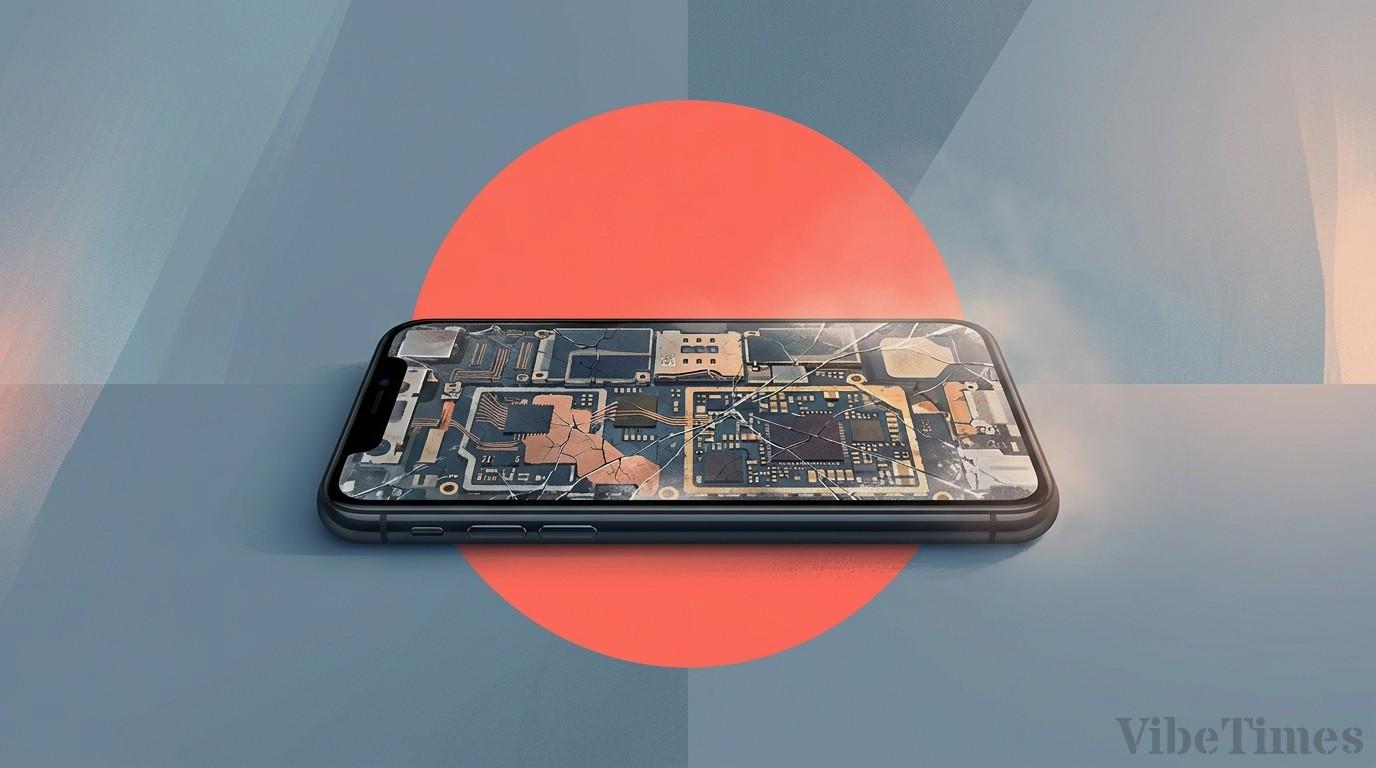
S22 Power Failures and Mainboard Diagnoses Flood Shindorim Service Center
Around 5 PM on August 11, 2026, the waiting area of the Samsung Electronics Service Center in Shindorim-dong, Guro-gu, Seoul, was packed with Galaxy S22 series users reporting sudden device malfunctions. A significant number of users visiting the site found their phones would not power on at all or were stuck in boot loops. Upon detailed diagnosis by engineers, the verdict for most was a failed mainboard. The simultaneous occurrence of core component failures in a specific model, approximately four years after its release, is significantly amplifying consumer doubts about the device's durability.
Online communities and social media platforms are abuzz with similar experiences from service centers across the country, not just in Shindorim, with dozens of posts appearing daily. Many users reported common symptoms of their devices becoming 'bricked' – unresponsive even after exhausting all troubleshooting steps like forced restarts or trying different charging cables. This suggests issues beyond simple battery degradation or software glitches, pointing towards the physical end of the hardware's lifespan or inherent design flaws manifesting over time.
Exorbitant Repair Costs and Data Loss Frustrate Users
The mainboard, the central processing unit of a smartphone, is notoriously difficult and expensive to repair when it fails. The quoted cost for an S22 mainboard replacement at the Shindorim center ranges from several hundred thousand won, depending on the model. This price often exceeds or matches the current resale value of the device. Such disproportionate repair costs have become a major financial barrier, forcing consumers to make the drastic decision to abandon their phones rather than repair them.
More critical than the cost is the loss of stored data. In modern smartphones where the storage is integrated into the mainboard, a board failure results in the permanent loss of personal information like photos and contacts. Service centers, citing security policies and technical limitations, do not officially support data recovery, forcing users to bear the additional burden and cost of seeking out specialized third-party recovery services. The time and financial resources consumed in this process severely damage brand loyalty.
Declining Trust in Premium Smartphones and Ripple Effects in the Used Market
Quality Controversies Spark Concerns Over Samsung Brand Value Erosion
The Galaxy S22 series has been plagued by thermal issues and performance throttling controversies since its launch. The current wave of mainboard failures in 2026 reopens these past debates, solidifying consumer distrust in Samsung's premium lineup. While Samsung Electronics consistently touts technological innovation with its annual new releases, frequent core component failures within a few years of purchase will inevitably make long-term customer retention challenging.
Economic analysts predict this situation will extend beyond mere service center congestion, impacting future flagship model sales strategies. Consumers are now prioritizing actual durability and reasonable after-sales service over flashy hardware specifications when making purchase decisions. The S22 mainboard issue serves as a strong negative indicator for potential buyers hesitating to invest in expensive foldable phones or the latest S-series models.
A Chill in the Used Device Market and a Rise in Parts Sales
The used smartphone market is also showing a clear avoidance of the S22 series. As awareness of potential mainboard failures spreads, purchase prices have plummeted, with some vendors refusing to buy them altogether or offering prices akin to damaged goods. In the used electronics stores around Shindorim Technomart, it's become common to see users who, upon learning the repair costs, abandon repairs at service centers and sell their devices for cheap as parts.
This trend drastically devalues the devices, eroding consumer asset worth. A disconnect has emerged between the manufacturer's promise of extensive update support (typically 4-5 years or more) and the actual physical lifespan of the devices. This ultimately reduces the effectiveness of trade-in programs for new devices and exacerbates financial burdens for consumers in a vicious cycle.
Political Moves to Protect Consumer Rights and Manufacturer Challenges
The Lee Jae-myung Administration's Push for Consumer Rights and Manufacturer Accountability
The current administration under President Lee Jae-myung is committed to strengthening consumer rights, emphasizing manufacturers' warranty responsibilities for expensive IT devices. There is growing pressure for manufacturers to provide more proactive remedies, especially for core components like mainboards, even beyond the statutory warranty period, if design flaws are suspected. Some in political circles are calling for investigations into recurring failure patterns in specific models and consideration of extending free repairs, akin to recalls.
The U.S. government, led by President Donald Trump, also strongly supports the right to repair, pushing for parts price transparency and support for self-repairs. This global trend is expected to put significant pressure on Samsung Electronics. With domestic and international policy environments shifting towards consumer-friendly changes that challenge manufacturers' monopolistic service structures, simply adhering to standard paid repair policies will likely fail to quell public criticism.
The Need for Post-Service Innovation to Restore Customer Trust
To overcome the Shindorim center crisis and regain customer trust, Samsung Electronics requires an AS (After-Sales) policy that breaks from its current mold. Even for failures outside the warranty period, if a specific component shows a statistically significant higher defect rate, offering reduced repair costs or subsidizing data recovery expenses would be necessary. While this might lead to a short-term decrease in repair revenue, it is an essential investment to protect the brand image and secure future customers.
The future smartphone market is expected to shift from mere hardware competition to a contest of reliability – how long devices can be used stably. The response Samsung provides to users contemplating 'giving up' due to S22 mainboard failures will be a crucial determinant of Samsung's future market share and investment value. Only when government support and a proactive shift in manufacturer attitude converge can consumers find a path towards resolution for their frustrations.