Cloud Service Models: IaaS, PaaS, SaaS Implementation and Use Cases

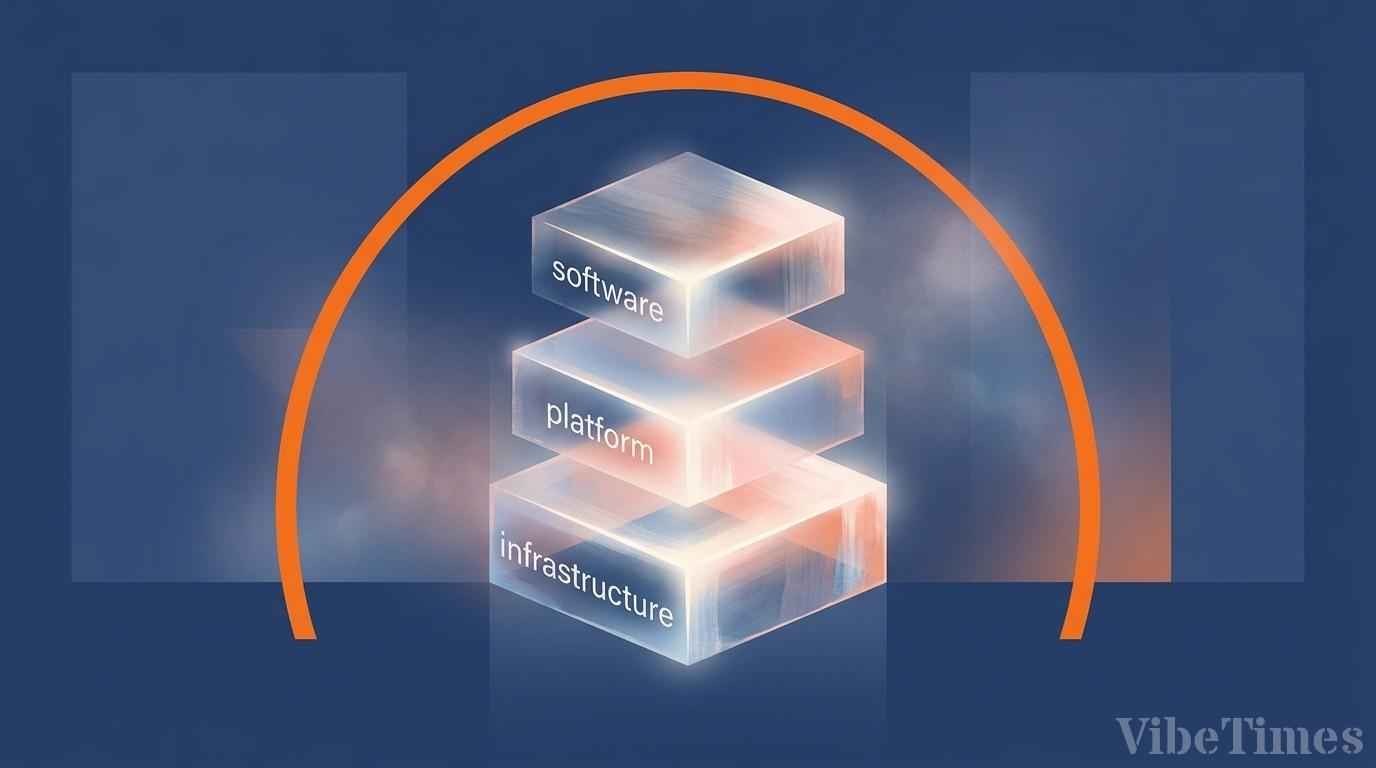
Cloud computing, revolutionizing the paradigm of IT infrastructure development and operation, offers solutions optimized for enterprises' technological maturity and business objectives through three core service models: IaaS, PaaS, and SaaS. Each model is generating diverse implementation and utilization cases based on its unique characteristics and advantages.
IaaS: Agile Infrastructure Deployment and Customized Control
IaaS (Infrastructure as a Service) provides core IT infrastructure components like computing, storage, and networking in a virtualized form. This model grants businesses a level of control similar to operating their own data centers. Users must install, configure, and manage the entire software stack, from the operating system (OS) to applications, enabling high flexibility and custom environment configuration. It is the optimal choice for companies looking to reduce physical hardware investment burdens while maintaining complete control over their IT infrastructure.
Building High-Performance Computing Environments with IaaS: Startups' Rapid Market Entry
For startups or new projects, it is crucial to immediately secure necessary computing resources without large initial hardware investments. IaaS allows for easy online selection of required server specifications (CPU, RAM, GPU, storage) and provisioning within minutes, supporting rapid development and testing environment setup and drastically shortening service launch times. For instance, services like AWS EC2, Azure Virtual Machines, and Google Cloud Compute Engine enable development teams to quickly establish development environments and bring ideas to market swiftly.
Furthermore, IaaS offers elastic scalability, allowing computing power to be scaled up or down in real-time according to user traffic fluctuations. This ensures stable service delivery even during unexpected traffic surges, while simultaneously minimizing unnecessary cost wastage by scaling down resources during low usage periods. Gartner's analysis, showing global public cloud service market revenue reaching $678.8 billion in 2023, suggests that the flexibility and efficiency of these cloud resources are key drivers of market growth.
Custom Database and Server Virtualization Using IaaS
For enterprises with complex legacy systems built in on-premises environments, or those with specific OS or unique middleware requirements, IaaS can be an optimal alternative. In an IaaS environment, companies can install and configure specific database versions like Oracle or MySQL, web servers such as Apache or Nginx, and required OS versions as they desire. This ensures high compatibility with existing systems while reducing management burden and increasing IT resource utilization by managing infrastructure in the form of virtual machines (VMs) instead of physical servers.
For example, when on-premises environments are mandatory due to specific industry regulations, or when existing software licenses are tied to a particular OS version, IaaS allows these constraints to be met while still leveraging cloud benefits. High-performance computing (HPC) workloads requiring extensive customization, or server environments with special configurations for big data analytics, can also be flexibly built and operated through IaaS.
PaaS: Maximizing Development Productivity and Focusing on Business Logic
PaaS (Platform as a Service) provides a comprehensive platform necessary for application development, deployment, and execution, enabling developers to escape the complexities of infrastructure management and focus on core code development. The underlying technology stack, including the operating system, middleware, and runtime environment, is managed by the cloud provider, allowing developers to concentrate solely on implementing service logic and creating business value. This is a critical factor in determining the rapid market response and innovation speed of IT companies.
Building Development Platforms with PaaS: Rapid Web/Mobile Application Development
PaaS offers an ideal environment for modern web and mobile application development. Developers can easily activate desired programming language environments like Java, Python, or Node.js, along with services such as SQL, NoSQL databases, and message queues, with just a few clicks on a PaaS platform. Heroku, AWS Elastic Beanstalk, Azure App Service, and Google App Engine are representative PaaS services, providing features like code deployment automation, auto-scaling, integrated logging, and monitoring at the platform level.
These features help development teams expedite and optimize the development, testing, and deployment processes. For IT companies that need to respond agilely to rapidly changing market demands, this improvement in development and deployment speed becomes a crucial competitive advantage. Gartner forecasts global cloud service market revenue to reach $811 billion in 2024, with the steady growth of the PaaS market demonstrating that enhanced development productivity is a major IT market trend.
Implementing Microservices Architecture (MSA) with PaaS
Microservices Architecture (MSA) is a modern development pattern that structures applications as a collection of small, independent services. PaaS environments provide an optimal setting for independently developing, deploying, scaling, and managing each microservice. In particular, container orchestration services like Kubernetes and serverless computing platforms serve as key components of PaaS, abstracting complex infrastructure configurations such as inter-service communication, API gateways, and service discovery.
This allows developers to focus solely on implementing the functionality of each microservice, significantly enhancing the application's flexibility, scalability, and resilience. For example, if traffic surges for a specific feature, only that microservice can be scaled independently, maintaining overall system stability while enabling efficient resource utilization. The implementation of MSA is becoming an essential element for developing large-scale enterprise applications.
SaaS: Ready-to-Use Solutions, Zero IT Operation Burden
SaaS (Software as a Service) is the most popular cloud service model, offering complete software applications on a subscription basis over the internet. Users can immediately use applications through a web browser or a simple client without any separate installation or complex management processes. The cloud provider handles all IT infrastructure, OS, and application updates and maintenance, completely relieving users of the burden of IT operations and upkeep.
SaaS Adoption Cases: Enterprise Communication and Collaboration Tools
The most representative use cases for SaaS are enterprise email, instant messaging, video conferencing, and project management tools. Services like Google Workspace, Microsoft 365, Slack, and Zoom help companies save the immense costs and efforts involved in building and managing their own mail servers. By paying a monthly/annual subscription fee, users gain access to the latest collaboration and communication solutions anytime, anywhere, dramatically reducing the workload for IT departments and immediately boosting employee productivity.
These SaaS solutions go beyond simply providing tools; they have a positive impact on the overall organizational culture by enhancing teamwork, increasing transparency in information sharing, and supporting remote work environments. A significant portion of the projected $811 billion in global public cloud service market revenue for 2024 is expected to come from the SaaS market, underscoring that businesses already recognize SaaS solutions as essential components of their core business processes.
Modernizing Core Systems with SaaS: CRM, ERP, Accounting Solutions
Core business systems directly related to a company's operations, such as Customer Relationship Management (CRM), Enterprise Resource Planning (ERP), and accounting systems, are also being successfully implemented in SaaS form. SaaS solutions like Salesforce CRM, SAP S/4HANA Cloud, and Oracle NetSuite allow companies to adopt the latest features immediately on a monthly subscription basis, instead of purchasing expensive software, complex customization, and management. This offers significant advantages, particularly for small and medium-sized businesses or large enterprises requiring rapid decision-making, by reducing IT investment burdens and enhancing business agility.
These SaaS-based core systems are continuously updated, automatically applying the latest features and security patches, ensuring they always operate in a current state. Furthermore, improved data accessibility facilitates information sharing and collaboration among various departments like sales, marketing, and finance, supporting better business decision-making through real-time data analysis. This plays a crucial role in accelerating a company's digital transformation and securing a competitive edge.