Ballot Shortage Sparks Ruling-Opposition Clash as Yoon Faces Special Prosecutor Probe

First Yoon Probe Under 'Omnibus Special Counsel' Amid Intensifying Ruling-Opposition 'State Audit vs. Special Prosecutor' Debate Over Ballot Shortage
Political wrangling between the ruling and opposition parties is escalating over the unprecedented ballot shortage that plagued the recent June 3 local elections. Meanwhile, the second Omnibus Special Counsel team, tasked with investigating cases beyond the initial three probes (sedition, Kim Keon-hee, and deceased Marine's death), has summoned former President Yoon Suk-yeol for his first questioning 101 days after its launch. Separately, the Democratic Party of Korea is repeatedly urging for a state audit and the appointment of a special prosecutor regarding the ballot shortage, while the People Power Party counters by demanding reform of the National Election Commission and thorough fact-finding, continuing their offensive. These series of events are poised to become a significant fuse for future political developments.
Ballot Shortage and Omnibus Special Counsel Emerge Simultaneously
During the June 3 local election's main vote, numerous polling stations in districts such as Gangnam, Gwangjin, and Songpa in Seoul experienced ballot shortages, making it difficult for voters to cast their ballots. This incident, which shook the foundations of election management, immediately drew criticism. Seoul Mayor Oh Se-hoon urged reforms potentially leading to the disbandment of the National Election Commission, stating, "Not a single person's right to vote should be infringed." Prime Minister Kim Boo-kyum also emphasized the need for fact-finding, saying, "If necessary, we must achieve thorough investigation and system improvement through a state audit or special prosecutor by the National Assembly."
People Power Party interim leader Jang Dong-hyuk labeled the ballot incident as a 'ballot crisis' and argued for an immediate state audit and special prosecutor appointment. He urged active responses from the government and ruling party, warning, "If you block your ears to public anger, the regime will end." Lee Jun-seok, leader of the Reform Party, suggested the incident was "created by the ruling party," indirectly pointing to distrust in investigative agencies and raising the need for a special prosecutor. In contrast, the Democratic Party criticized the People Power Party's "unreasonable incitement" using the ballot shortage as an excuse and urged them to engage in National Assembly seat allocation negotiations. This divergence in stances further heightens political tensions surrounding the ballot shortage.
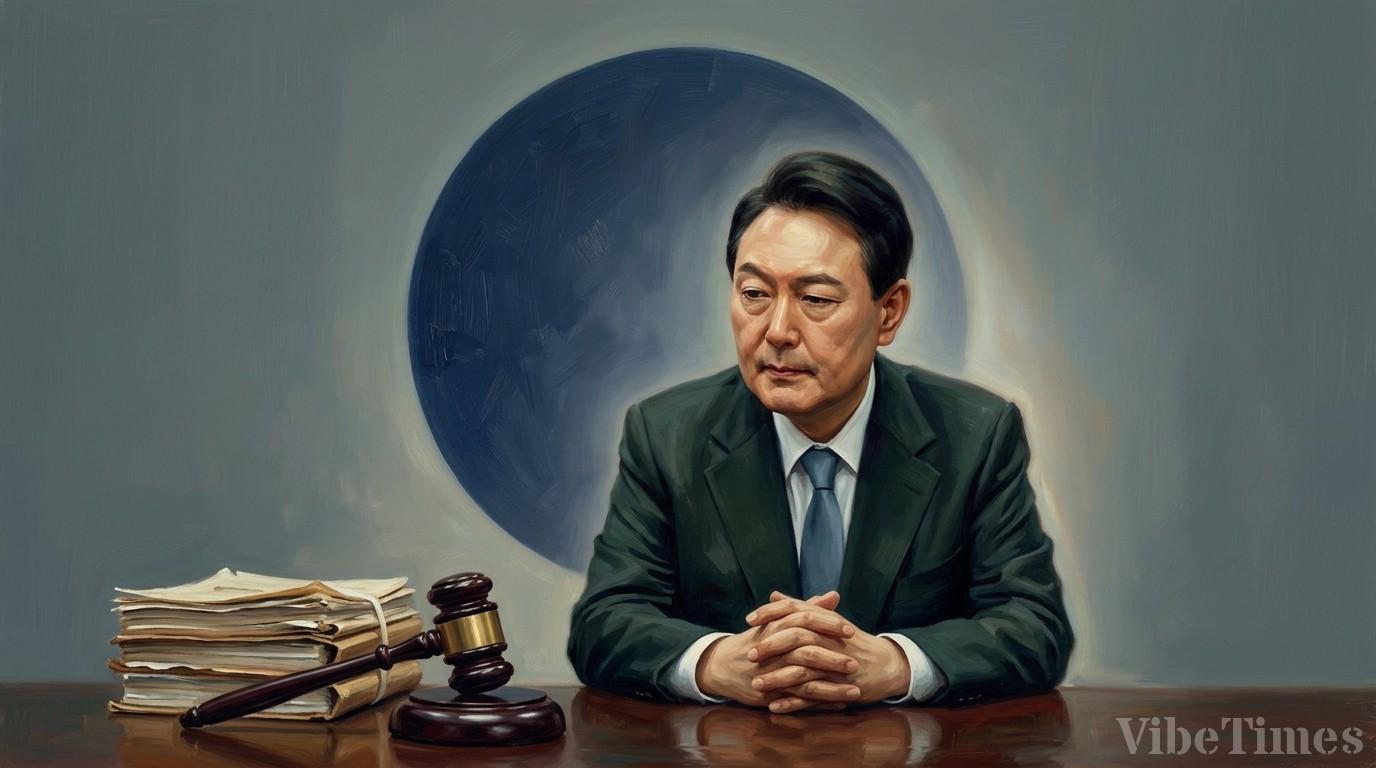
Meanwhile, the second Omnibus Special Counsel team, operating on a separate matter, conducted its first questioning of former President Yoon Suk-yeol for about 6 hours and 30 minutes starting at 10 AM on the 6th, on charges of abuse of power related to the alleged dissemination of messages justifying martial law. According to the special counsel team, Yoon stated, "I testified truthfully" during the investigation. However, former Daegu Mayor Hong Joon-pyo commented on the probe, "The special prosecutor seeking to withdraw charges stirred public sentiment and backfired on the Democratic Party," offering a political interpretation of the timing of the omnibus special counsel's actions. While the nature of the issues differs, this indicates that political debate is being ignited around the keyword 'special prosecutor'.
Ruling-Opposition Intensify 'State Audit vs. Special Prosecutor' Debate… Blame Game and Potential Political Realignment
The dispute between the ruling and opposition parties over the introduction of a 'state audit' and 'special prosecutor' is expected to intensify following the ballot shortage incident. The Democratic Party is urging for fundamental measures to prevent recurrence while being wary of the People Power Party's attempts to exploit the situation politically. A party official stated, "Holding the National Election Commission accountable for its clear errors and establishing a fair election management system for the future is the top priority," adding, "We must approach this cautiously to prevent it from escalating into partisan politics."
Conversely, the People Power Party emphasizes that the incident is a grave issue that shakes the foundations of democracy, going beyond mere management oversight, and remains committed to pursuing a state audit and special prosecutor for thorough fact-finding. Leader Jang Dong-hyuk asserted, "The ballot shortage is a grave crime that infringed upon citizens' right to vote," and argued, "Without uncovering the truth, any political discussion is meaningless." Furthermore, leader Lee Jun-seok suggested that if the ruling party delays a state audit, the demand for a special prosecutor could explode, hinting at the possibility of political realignment.
Experts analyze that the ballot shortage incident and the omnibus special counsel probe could become critical turning points that shake the current political landscape, going beyond mere election management failure or judicial procedures. One political commentator remarked, "Given the high public interest, pressure from the ruling and opposition parties, as well as civic groups, will intensify," predicting, "How this situation is resolved and what follow-up measures are taken could significantly impact the approval ratings of each party and future election results." In particular, each party is expected to attempt to rally its base through this issue while simultaneously probing the weaknesses of the opposing camp.
Legislative Procedures and Future Outlook
If discussions on introducing a state audit or special prosecutor regarding the ballot shortage incident gain momentum, passage by the National Assembly plenary session will be essential. For a state audit, it can be proposed with the consent of over one-fourth of the total lawmakers, and for a bill on the appointment of special prosecutors (special prosecutor act), it requires the approval of a majority of the total lawmakers. Considering the current sharp confrontation between the ruling and opposition parties, the passage of related bills is expected to be arduous.
The opposition parties are expected to strongly push for a state audit and the appointment of a special prosecutor, emphasizing the gravity of the situation. In response, the ruling party is likely to maintain its offensive, questioning the "political intentions" of the Democratic Party. However, if public criticism intensifies, they might make some concessions to resolve the situation. As Prime Minister Kim Boo-kyum suggested, there appears to be a sentiment within the government to some extent acknowledge the necessity of a state audit or special prosecutor, indicating that the political situation could change rapidly depending on the future course of discussions.
In the case of the omnibus special counsel, procedures are already underway, and further investigations into former President Yoon or summoning related individuals are expected to follow. The impact of the special counsel's investigation results announcement date and content on the political sphere will also be noteworthy. While it is difficult to predict the exact legislative schedule or investigation completion date at this point, considering the sensitive reactions of the political circles and the level of public interest, this issue is projected to be a major agenda item for the next few months.