#정치
22nd National Assembly's 7.42% Approval Rate Sparks Concerns Over Neglected Livelihood Bills

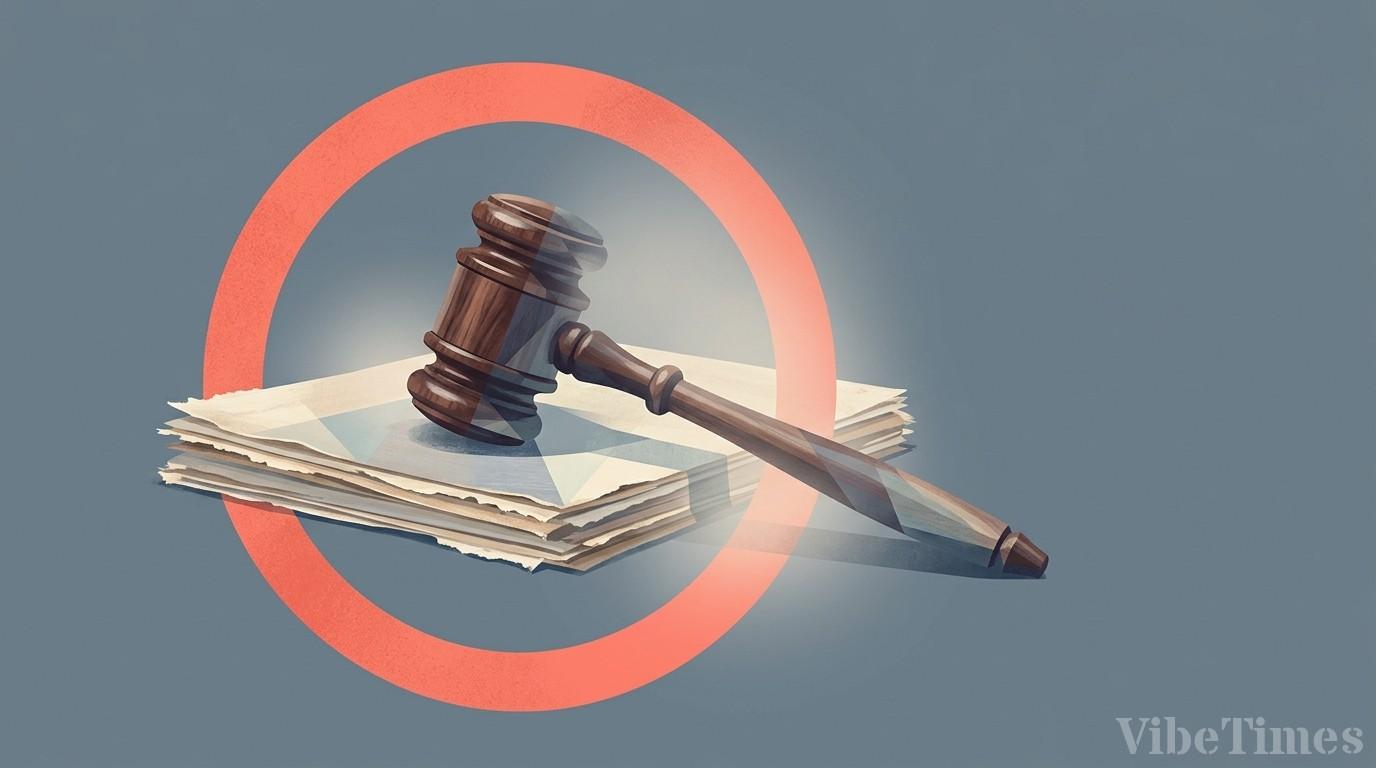
22nd National Assembly Sees Low 7.42% Legislative Approval Rate... Are Livelihood Bills Being Ignored?
The legislative approval rate for bills passed by standing committees during the first half of the 22nd National Assembly, since the launch of the Lee Jae-myung administration, has reportedly fallen to a mere 7.42%. This low performance was observed across standing committees, regardless of whether they were chaired by the ruling or opposition party. This situation not only faces criticism of 'not working' during negotiations for the second half's committee chair appointments but also implicates committees led by the ruling party. Compared to the legislative activities of past National Assemblies, this figure is significantly low, leading to concerns that bills directly related to people's livelihoods are being shelved.Background of Legislative Stagnation and Key Bills
A complex web of factors contributes to the poor legislative performance in the first half of the 22nd National Assembly. Foremost among these is the unresolved, sharp confrontation between the ruling and opposition parties, a dynamic that carried over from the 21st National Assembly. Many bills are frequently shelved at the standing committee stage, or are discarded without even reaching the discussion phase. In particular, even bills directly impacting citizens' lives or aimed at boosting the economy are often hampered by political calculations, leaving them adrift and raising concerns. Currently, several important bills await legislative discussion in the National Assembly. For instance, the People Power Party is urging the introduction of a special prosecutor to ensure fairness in the National Election Commission, a matter directly linked to public trust in election results. The Democratic Party of Korea is also pushing for bills aimed at clarifying past government suspicions, such as the 'Kim Keon Hee Special Prosecutor Bill'. Beyond these politically contentious bills, proposals such as guaranteeing paid holidays for domestic workers and expanding employment insurance coverage, along with policies to improve access to mental health services, have been introduced but have not yet undergone substantial discussion. Furthermore, some point out that despite a directive from the Presidential Chief of Staff to 'create rapid change regarding bills that have not passed the National Assembly and delayed state affairs projects,' the situation where legislative achievements are not being realized is recurring. While this could stem from procedural issues within the National Assembly or a lack of negotiation power between parties, analyses suggest it ultimately leads to structural problems such as a communication breakdown between the legislative and executive branches and a failure to coordinate policy priorities.Debate and Expert Diagnosis
Criticisms and diagnoses from various sectors are mixed regarding the 22nd National Assembly's low legislative approval rate. The ruling People Power Party claims the opposition party is solely focused on politically charged bills, hindering the passage of livelihood-related legislation. Conversely, the opposition Democratic Party of Korea contends that the ruling party is passive in processing bills or is hesitant due to concerns about the Presidential Office, thus failing to perform the National Assembly's essential functions. Amidst this back-and-forth, it is noted that there are limitations in achieving actual legislative outcomes. In particular, the debate surrounding the appointment and scope of investigation for a special prosecutor related to suspicions of 'obstructing the arrest of former President Yoon Suk-yeol' starkly illustrates the political confrontation. Na Kyung-won, a member of the People Power Party, strongly protested a summons notice from a special prosecutor, calling it 'a typical attempt to destroy the opposition party, fronted by a special prosecutor wielding excessive authority,' thereby representing the People Power Party's negative stance on special prosecutors pursued by the opposition. Experts express concern that the current legislative stagnation could lead to a decline in the National Assembly's credibility. One political expert analyzed, 'The public expects the National Assembly to bring about practical changes, such as resolving pressing economic issues and strengthening the social safety net. However, the low approval rate is failing to meet these expectations and could ultimately deepen political distrust.' Especially when compared to regional assemblies like the Gangwon Provincial Council, which are reaffirming their commitment to legislative activities by stating, 'We will not let ordinances and documents remain in the drawer,' the situation at the central National Assembly is viewed with greater regret.Future Outlook and Legislative Tasks
Projections are divided on whether the legislative stagnation will continue into the second half of the 22nd National Assembly or if a breakthrough will be achieved. Given that negotiations for the appointment of committee chairs for the second half are facing difficulties, if dialogue and compromise between the ruling and opposition parties do not materialize, the current low legislative approval rate is likely to persist for a considerable period. However, some anticipate efforts to compensate for the first half's underperformance in the latter half. Crucially, the decisions of the ruling and opposition party leadership are vital for the swift passage of livelihood bills directly connected to the lives of the people. Past precedents show that bills passed through bipartisan agreement often garner public consensus. For example, while discussions for special prosecutors to investigate specific incidents, such as suspicions of 'obstruction of investigation into Deutsch Motors' or 'suspicion of changing the Yangpyeong Highway route,' are important, there are strong voices calling for legislative activities on urgent livelihood issues—economic revitalization, job creation, strengthening the social safety net—to be pursued in parallel with these discussions. In conclusion, for the 22nd National Assembly to be evaluated as a 'working' parliament, efforts to move beyond politically charged discussions and achieve tangible results are desperately needed. The low legislative approval rate of 7.42% is more than just a number; it serves as a symbolic indicator of how much the National Assembly is failing to meet public expectations. Attention is focused on whether the National Assembly can concentrate on resolving livelihood issues and deliver meaningful legislative outcomes moving forward.
Related Articles
National Assembly Data Analysis: Two-Thirds of PPP Lawmakers Fall in Conservative Range
정치
"계엄으로도 안 됐다"…황교안 신당 최고위원 후보, 트럼프에게 선관위 서버를 묻다
정치
반도체가 걷어준 25조, 정부는 800조 지출의 문을 열었다
정치
Sept. 14 Legislative Report: Rep. So Young-ho's Dual Role on Budget and Education Committees
정치
US House to Review Bitcoin Reserve Bill on the 16th
정치
President Lee Jae-myung's approval rating falls below 35% to hit new low
정치