Construction Orders Soar 36%, But On-Site Sentiment Remains Stagnant

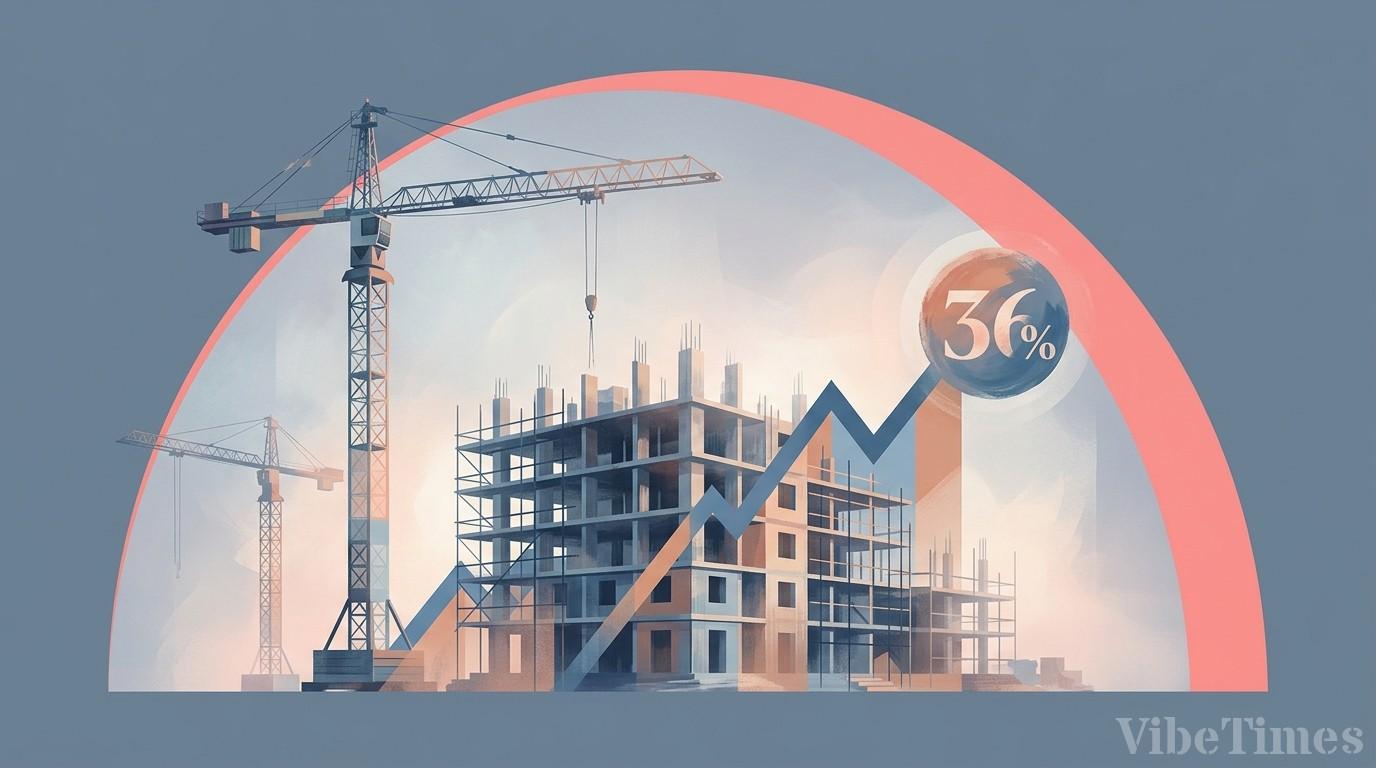
In April of this year, construction orders totaled 19.7 trillion won, marking a 35.9% increase compared to the same month last year. During the same period, public sector orders grew by 62.3%, and private sector orders rose by 26.6%, driving the overall upward trend. Orders for public housing projects, such as the Gonggong Chamyeo Redevelopment Project in the Shingyeong 3 District, the Gonggong Jaeriball Redevelopment Project in Seongbuk 1 District, and the Goyang Changneung S-3BL Apartment Construction, contributed to the rise in public housing orders.
Despite the increase in orders, the perceived economic conditions on the ground have not improved. In contrast to order figures, actual construction progress payments (Giseong), which reflect real construction performance, continue to decline. Construction progress payments in April decreased by 1.1% year-on-year. This is attributed to the ongoing slump in the architectural sector and the impact of reduced new construction starts.
Employment in the construction industry also failed to show recovery, decreasing by 0.4% compared to the same period last year.
Construction sites are facing increased pressure from rising construction costs. The construction cost index in April recorded 136.88, up 4.4% from the previous year. Recent upticks in prices for steel and construction materials are further squeezing the profitability of construction companies. Although construction costs, which had surged significantly after COVID-19, appeared to stabilize somewhat last year, they have started to rise again this year, fostering a cautious approach to project viability management.
This situation is prompting construction firms to strengthen their selective bidding strategy, prioritizing profitability over sheer scale of growth. Major construction companies are focusing on profitable ventures such as urban redevelopment projects, overseas plants, and energy projects, while maintaining a selective approach to high-risk projects.
There are concerns that prolonged increases in construction costs could impact policies aimed at expanding housing supply. Projects with lower profitability may face delays in commencement or a slowdown in execution speed. The construction industry anticipates a continued trend of increasing orders in the near future, but remains cautious, noting that the burden of rising costs, uncertainty in the real estate market, and project financing (PF) risks persist, requiring further observation to confirm a full recovery in the construction economy. While order figures are improving, it is assessed that more time is needed for on-site sentiment and profitability to recover.
Lee Ji-hye, a senior researcher at the Korea Institute of Construction Industry, explained that while some indicators, particularly in the public sector, are showing improvement, the recovery trend has not yet spread across the entire industry. She added that the gap between large and small companies, and between Seoul and regional areas, continues, with sluggish private investment outside the capital region and fluctuations in public project 발주 (ordering/bidding) acting as constraints on the construction economic recovery.