Artificial Life's First Step: Scientists Create Cells from Non-Living Components

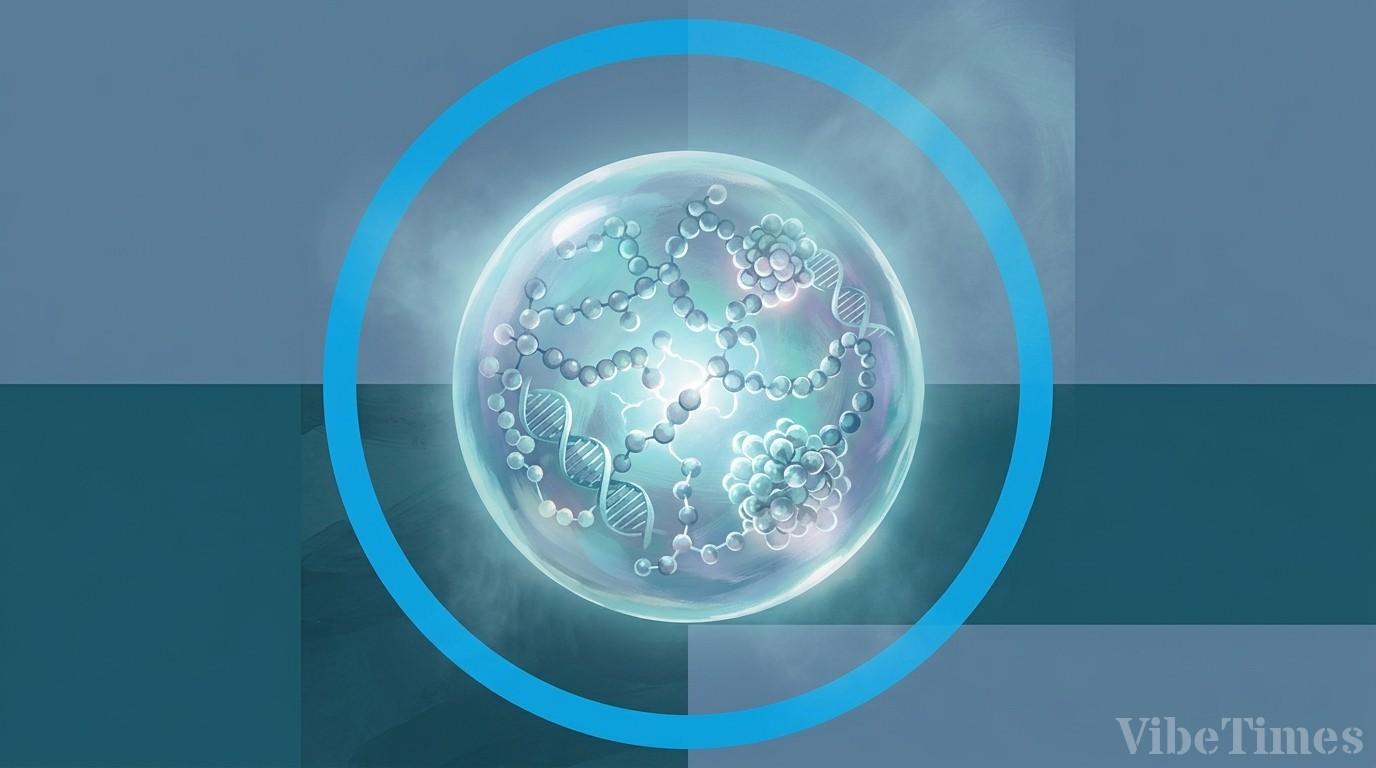
A University of Minnesota research team has succeeded in creating a 'synthetic cell' that can grow, replicate, and divide using only materials that are not components of living organisms. University of Minnesota scientists assembled chemically well-defined, nonliving components to create a synthetic cell they named 'SpudCell'.
This represents an artificial implementation of the fundamental functions of a living organism and heralds a new era in life research. The research team described this work as a first step toward moving beyond the chemical boundaries of life and toward actual life. SpudCell produces proteins through a genome composed of 90,000 base pairs, and genetic mutations were introduced in some cells to enable faster growth.
After several generations, cells that grew faster were observed to produce more offspring, demonstrating that basic principles of natural selection can operate within a synthetic system. The research team explained that SpudCell cannot currently survive outside of a laboratory environment and requires externally supplied nutrients and specialized parts for growth. This research mimics some characteristics of living organisms but demonstrates the steps needed to transition from a chemical system to life.