Farmer Fuel Costs Surge 21%, Burden Grows Despite Government Support

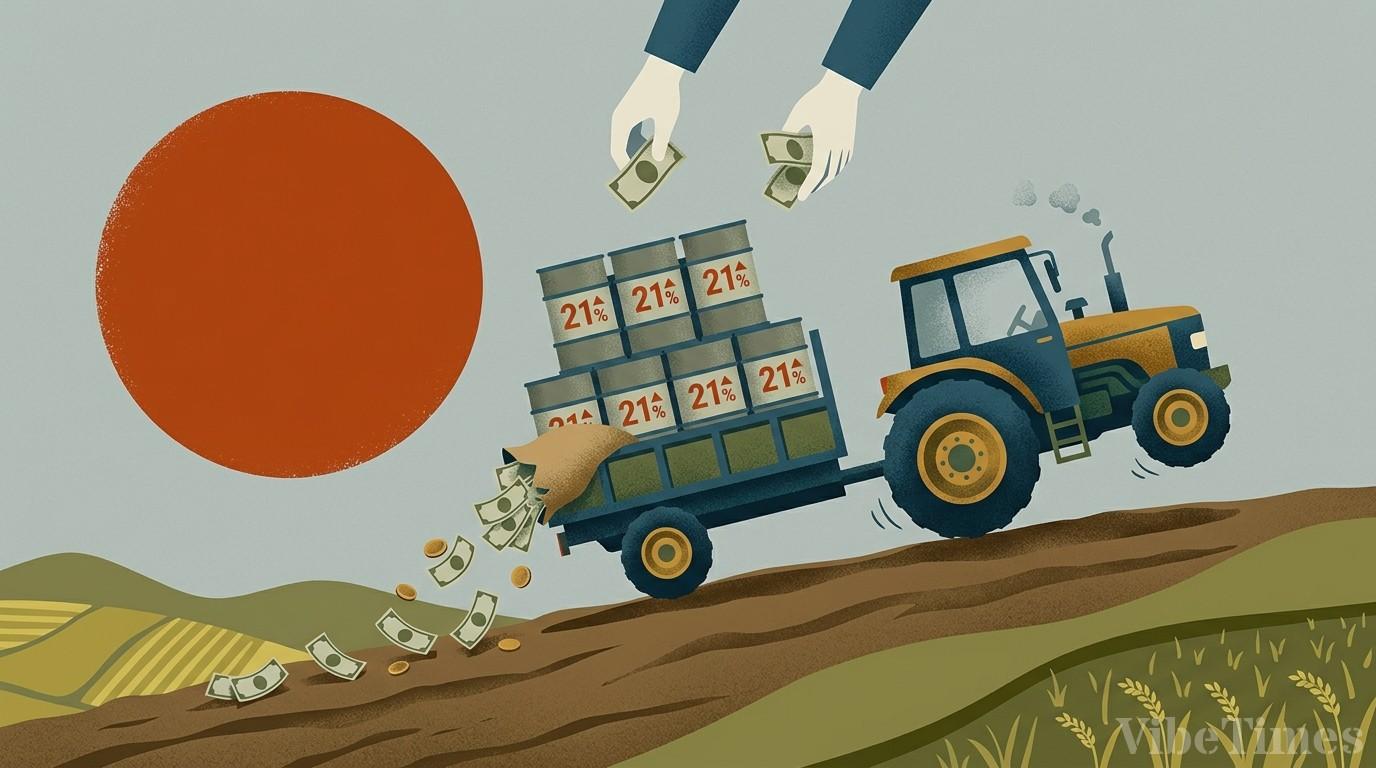
Despite government support measures such as duty-free agricultural fuel and price-linked subsidies aimed at mitigating rising oil prices due to the conflict in the Middle East, a survey found that 8 out of 10 farming households are still experiencing a fuel cost increase of over 21%. Prices for essential agricultural inputs like fertilizers and packaging materials have also risen by more than 20%, exacerbating financial difficulties for farm households.
According to a survey on the 'Status of Agricultural Input Supply and Demand' conducted by the Korea Rural Economic Institute (KREI) in May, 79.5% of cabbage farmers reported a more than 21% increase in their fuel cost burden. Radish, napa cabbage, and carrot farmers reported similar levels of fuel cost increases, at 76.4%, 78.3%, and 88.5%, respectively.
Fertilizer costs also increased by over 21% for 23.5% of cabbage farmers and 24.9% of napa cabbage farmers. Packaging material prices saw increases of over 21% for 27.1% of napa cabbage farmers, 25.2% of cabbage farmers, and 25.0% of radish farmers. These increases in agricultural input costs are coinciding with rising crude oil prices, partly influenced by potential disruptions in the Strait of Hormuz.
Material costs, including fertilizers, represent a significant portion of crop production expenses. For high-altitude radishes, material costs like fertilizers accounted for 19.6% of production costs, followed by napa cabbage at 18.9% and high-altitude cabbage at 17.0%. This structure indicates that rising input costs can directly lead to increased farm management expenses.
While farmers stated that the situation has not reached the point of abandoning cultivation, the financial burden is considerable. Even among onion and garlic farmers who reported no impact from agricultural input price and supply issues, 15.3% and 15.0% respectively indicated they are considering reducing their cultivation area. If the burden of rising agricultural input prices persists, it could lead to a decrease in cultivated area and production volume.
The Korea Rural Economic Institute (KREI) recommended adjusting the timing of farmer support in preparation for the full impact of material supply and price burdens in the latter half of the year, when preparations for next year's farming begin. Given that the perceived increase in fuel costs is the most significant financial strain for farmers compared to other materials, proposals include extending fuel subsidies and flexibly adjusting payment limits. Concerns have also been raised that supply chain disruptions at agricultural cooperatives, which supply over 80% of inputs for crops like root vegetables and aromatic vegetables, could directly affect farmers' supply. In response, measures such as expanding agricultural cooperatives' inventory of materials are being considered.