Apartment Living Year 1: Recommended Apps and an Honest Review

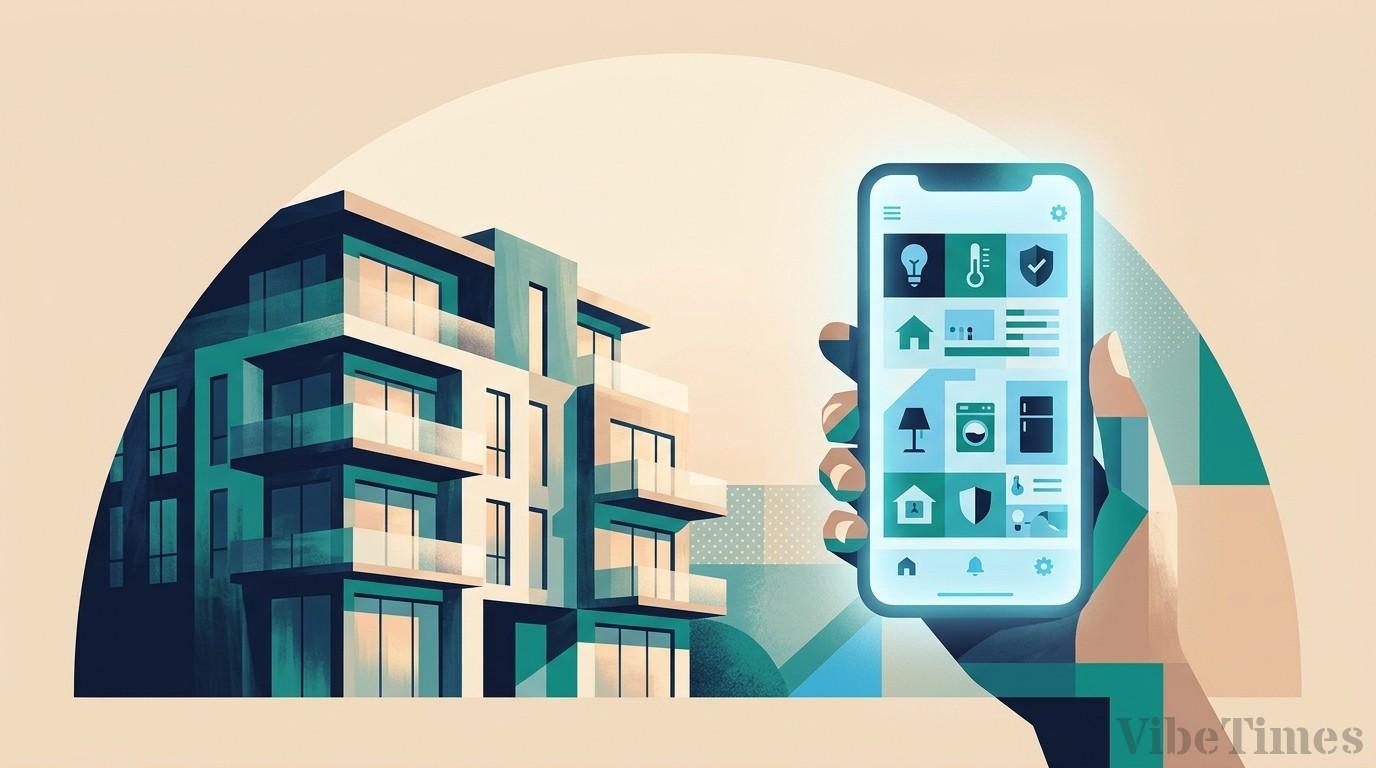
App Evolution in Year 1: Moving Beyond Simple Control to an Economic Platform
Building Complex-Specific App Ecosystems in the Post-IoT Era
New apartments occupied between the second half of 2023 and 2024 have entered the so-called 'Post-IoT (Internet of Things) era.' Moving past the simplicity of unlocking front doors via smartphone, complex-specific apps now serve as the central axis of residential life. While frequent connection failures and errors in the first three months raised doubts about the effectiveness of smart homes, hardware stabilization has been completed as residents enter their first year. Currently, residents actively use these proprietary apps as essential lifestyle platforms for schedule management and reducing maintenance fees. Satisfaction with app usage, particularly for economic benefits like reserving air conditioning or heating to lower electricity bills, has surged among digitally savvy residents.
The 'Big Four' Builders: Ecosystem Dominance and Differentiation
Major construction companies are refining their proprietary platforms to bind residents not merely as tenants but as users of a lifestyle platform. Hyundai E&C's 'House O' offers an intuitive user experience through AI-based energy management and inter-floor noise measurement integration. Samsung C&T's 'Raemian Ans' boasts premium integration by unifying home cams and IoT devices. GS E&C has enhanced security integration by upgrading visitor vehicle pre-registration systems, while HDC Hyundai DevCo boosted management efficiency by activating community boards through 'Happy Hi-Vil.' Small and mid-sized builders and remodeling complexes are also joining this trend by adopting specialized startup solutions like 'Noojijik' or 'Apateun.'
Maximizing Satisfaction: Maintenance Fee Automation and Time Saving
Reducing Maintenance Fee Discrepancies Through Data-Based Consumption Control
The functions rated highest by first-year residents are parking control integration and real-time inquiries into water and electricity billing. Instead of the traditional paper maintenance fee statements received via mail at the end of the month, residents now monitor usage on a weekly basis via their screens. By utilizing usage graph functions, they can directly compare their consumption patterns with the average usage of neighbors in similar floor plans. Over the course of a year, accumulated data helps in the early detection of leaks or unauthorized power spikes. This real-time meter check transforms complaints about estimated maintenance fees into data-driven consumption control, providing tangible financial benefits.
Zero Physical Time with Visitor 'Fast-Track' and Unmanned Entry
Visitor vehicle registration and unmanned entry systems have dramatically reduced the physical time spent handling deliveries and food. When a resident inputs visitor vehicle information into the app and sends a KakaoTalk link, the visitor can enter immediately via license plate recognition without stopping at the security booth. Lee Kyu-chan, a restaurant industry expert, analyzes that this function saves residents over 10 hours per month during the first year, when deliveries and construction management are frequent. Furthermore, integration with unmanned smart lockers allows for delivery notifications, and video call entry approval ensures both privacy protection and convenience.
The Stark Reality: The Limits of Proprietary Apps and Coexistence with Universal Devices
Complex UI Structures and the 'App within App' Dilemma
The structural limitations of construction company apps are clearly revealed in residents' honest reviews. The biggest source of dissatisfaction is the excessive 'App within App' structure. The outdated user interface (UI), which requires drilling down 3-4 levels from the main screen just to call an elevator or turn on a light, makes these smart devices feel more like complex remote controls. Issues regarding app execution delays and complications during updates are also noted. While residents are forced to keep the app installed for complex entry and security, these factors often discourage active use.
Bypass Control via AI Speakers and Hybrid Usage
To solve the inconvenience of complex touch controls, residents actively utilize AI speakers like Naver Clova or Kakao Mini. Instead of launching the proprietary app directly, they control heating temperatures or lights via voice commands. By replacing a 5-step touch process with 1-second voice recognition, residential convenience is maximized. In this process, the proprietary app functions merely as a 'setup tool' for initial device connection and security authentication, while the center of actual residential control shifts to universal voice platforms, settling into a hybrid lifestyle pattern.
Outlook and Implications: Evolution to a 'Contract-Centric' Model via Real-Time A/S Connection
Relieving Parking Stress and the Utility of Virtual Registration Systems
The top function cited by residents of large complexes is the virtual parking registration system. Pre-registering visitor vehicles—such as parents' cars or cleaning crews—and approving entry acts as a powerful survival tool in apartment environments with scarce parking. The complete elimination of the stress and hassle of contacting the control center individually exemplifies the positive aspects of app utilization. It has firmly proven its value as a management tool that efficiently distributes physical resources within the complex, moving beyond simple information delivery.
Upgrading Management Services Through Transparent Feedback Loops
While highly satisfying functions exist, excessive notification alerts and the opacity of the repair process after a breakdown report remain urgent issues. First-year residents desire to see real-time status updates on the app, such as the technician's current location and estimated arrival time, rather than a simple 'report received' message. Moving forward, apartment apps are expected to evolve from simple information checks to the center of the 'contract relationship' that determines the quality of management services. If transparency in the defect repair process is secured, resident satisfaction will likely surpass current levels, serving as key infrastructure that enhances the asset value of the entire complex.
