Prosecutor-General Rejects 11 Arrest Warrants for Special Counsel…Court’s Scrutiny of Investigative Power and Impact of Criminal Procedure Code Revision

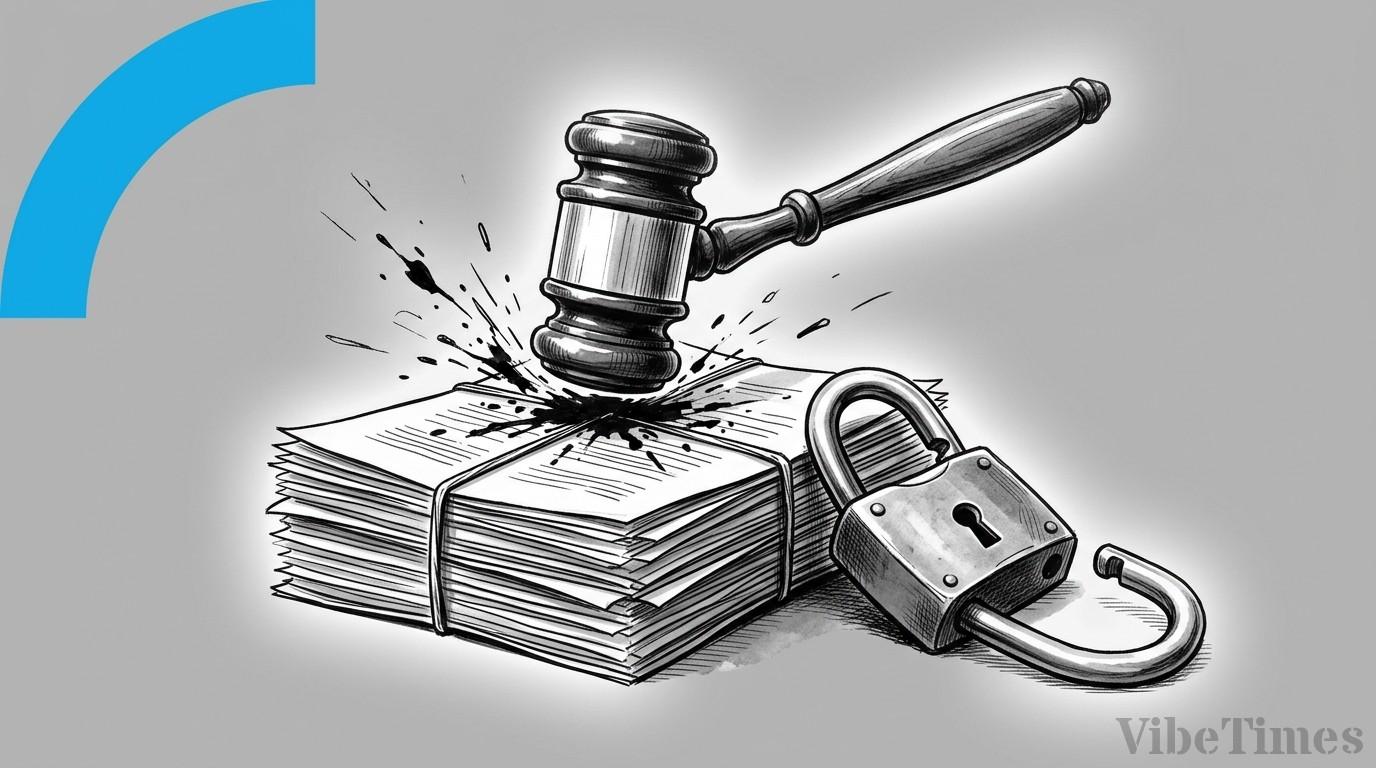
Court’s Sequential Rejections Clarify Limits of Investigation
The request for arrest warrants by the team of second special counsel Kwon Chwang-hyung has been repeatedly rejected by the court, casting a red light on the investigation. On the 16th, warrants for former Prosecutor General Shin Woo-jung and former Supreme Prosecutors’ Office Planning and Coordination Bureau Chief Jeon Mu-gon were returned by the court, a clear indicator of the investigative team's limitations. This follows previous rejections on the 13th and 15th for former Ground Operations Commander Gen. Gang Ho-pil and former Senior Secretary for Public Disciplinary Ethics Lee Si-won. Of the 17 arrest warrants requested by the special counsel team, 11 have failed to pass the court’s threshold. Given this high rate of requests and rejections, the dominant interpretation is that judicial judgment regarding evidentiary capability and conditions for indictment is taking precedence over the special counsel’s investigative power.
This situation corroborates that the checks and balances of the judicial system are functioning. Even if investigative agencies raise strong suspicions, the court strictly follows procedures to scrutinize objective evidence and the comprehensiveness of criminal facts. However, special counsel prosecutors and some in the political circles are expressing regret over the court’s conservative judgment, citing concerns about evidence destruction and the gravity of the cases. Conversely, the defense counsel for the subjects of the investigation and the opposition party are strongly criticizing the special counsel team’s investigative methods, alleging a selective investigation that compromises political neutrality.
Core of Criminal Procedure Code Amendment and Background of Proposal
As the special counsel’s investigative momentum stalls, a ruling Democratic Party-led amendment to the Criminal Procedure Code has been referred to the National Assembly, expanding political repercussions. The core of the bill lies in abolishing the prosecution’s supplementary investigation authority. Under the current system, even if the police conclude an investigation, the prosecution retains the power to overturn it or conduct additional investigations; however, the amendment seeks to completely prohibit this, establishing a structure that clearly separates investigation and indictment powers. Simultaneously, the bill includes provisions significantly relaxing the prerequisites for police emergency arrest, holding the potential to reshape the jurisdictional landscape among justice agencies.
Independent lawmaker Han Dong-hoon delivered a sharp critique of the bill on the 19th. According to Rep. Han’s analysis, if the amendment passes, it will provide a legal basis for judicial police officers to indefinitely perform emergency arrests on individuals who are not caught in flagrante delicto (red-handed) without a warrant. It is pointed out that this raises concerns about excessively infringing upon the physical freedom of citizens guaranteed by the Constitution. Contrary to the legislative intent of dismantling the prosecution’s monopoly by strengthening police investigative powers, arguments are being raised that this is a regulation exposing ordinary citizens to the risk of unwarranted arrest. Consequently, the legislature faces the task of finding an exact balance between potential human rights violations and investigative efficiency.
Intense Legal Skirmish Between Parties and Social Ripple Effects
The political conflict surrounding the amendment is reaching an extreme. The ruling party strongly advocates for the legitimacy of the system’s introduction, stating that it is the process of completing the final puzzle of prosecution reform. In contrast, the People Power Party defines the bill itself as a tool for power abuse and demands a complete overhaul. On the 19th, the People Power Party laid out its logic of opposition through a public statement, pointing out wasteful elements in the budgets for various special counsels promoted by the Democratic Party. According to the claims of the relevant politician, the rent alone for the currently operating special counsel office reaches up to 6.4 billion won, which they classify as a meaningless waste of taxpayers' money. They further argued that an investigation space should be prepared directly within the Presidential Office, maintaining an attitude of fundamentally doubting the efficiency of the special counsel system.
Such political conflict inevitably causes significant delays to the special counsel’s investigation schedule. The existing deadline for the second special counsel investigation expires on the 24th, leaving a mere five days. While the summons investigation for former Minister of Land, Infrastructure and Transport Won Hee-ryong is scheduled for the 23rd of next week, given the loss of legal coercive power and limited time, deriving substantive results is extremely difficult. There is growing concern across society that the investigation, which has injected massive national budget, may lose its legal effect and spin its wheels.
Prospects for Legislative Procedures and Special Counsel Extension
As the expiration of the investigation period approaches, the special counsel team prioritizes securing an extension. Measures are being discussed to secure an additional extension period of up to 30 days, but the opposition party is strongly opposing a unilateral extension. The People Power Party has hinted at a counter-strategy, threatening to deploy the first filibuster (unlimited debate) of the second half of the 22nd National Assembly during this opportunity. With five-term lawmaker Yoon Sang-hyun taking the podium for the first debate, there is a prevailing risk that the National Assembly’s legislative activities will fall into a complete gridlock, intertwined with negotiations for the formation of the Assembly.
The Criminal Procedure Code amendment also predicts a treacherous path to the plenary vote. If defections from within the party are left unchecked, the passage of the bill becomes virtually impossible. The ruling and opposition parties are attempting coordination through various channels, including negotiations between floor leaders, but there is virtually no point of agreement narrowing before the fundamental issue of investigative power adjustment. Unless the National Assembly, a constitutional body, can simultaneously defuse the two massive political landmines of special counsel extension and criminal procedure code revision, the timeline for parliamentary normalization is unlikely to materialize. We are left to observe the upcoming developments, as the principle of protecting citizens’ basic rights and the institutional demand for establishing the independence of investigative power fluctuate according to political signals.
