Analysis of the '10 AM Terror' Myth and the Reality of V-Shaped Markets

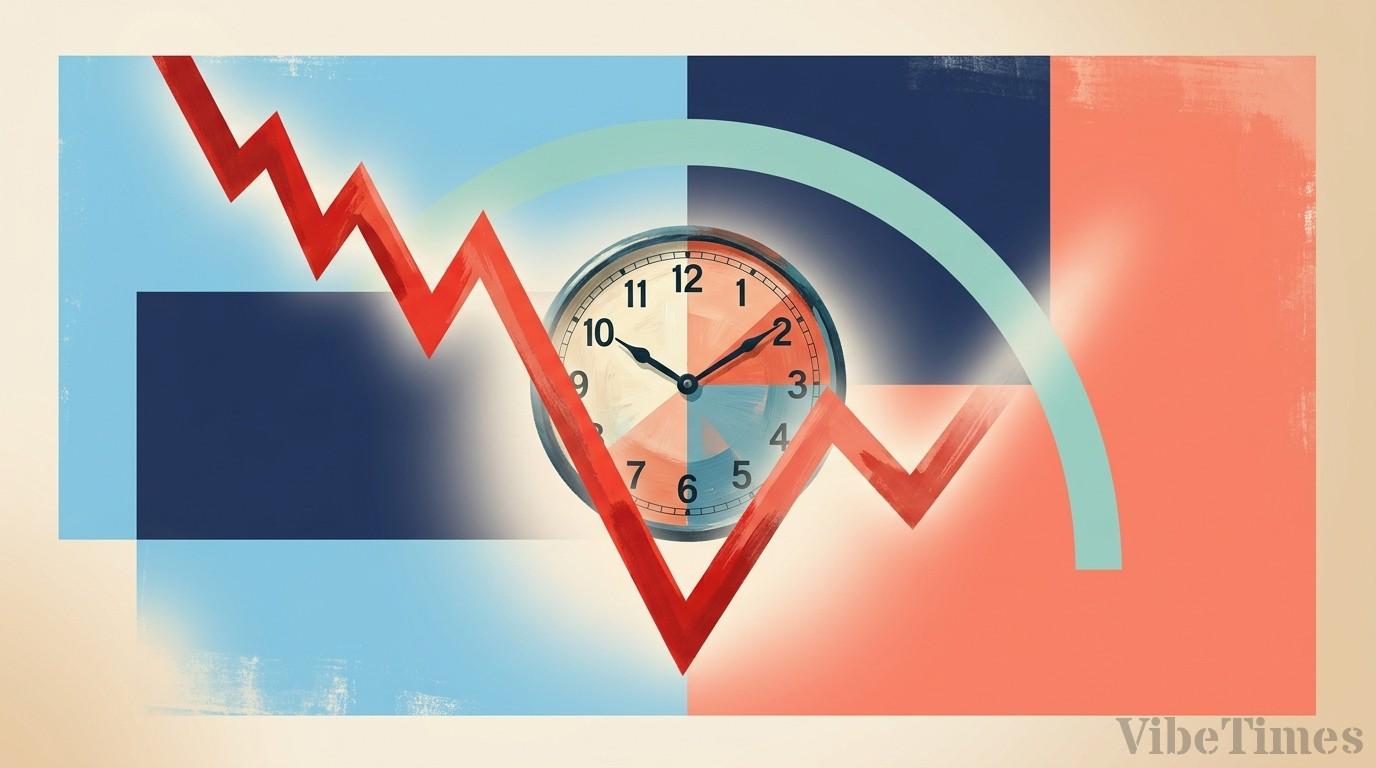
An analysis of sidecars and circuit breakers (intraday halts) activated this year in the KOSPI market to curb sharp stock price fluctuations revealed that, contrary to the 'terror at 10 AM' feared by investors, volatility was actually highest at 9:06 AM, immediately after the market opened. We verified market change patterns through actual data that differs from the rumors circulating among individual investors.
Since sidecars are institutionally prohibited from being triggered for the first 5 minutes after the market opens, the earliest possible trigger time is 9:06 AM. Of the 39 total activations this year, 11 (28%) occurred exactly at this time, and activations concentrated in the 9 AM block reached 23 cases (59%). This appears to be the result of variables determined overnight in overseas markets—such as rallies in the US stock market or semiconductor positives—being reflected immediately upon opening. Among the 19 buy-sidecars, 14 (74%) were clustered in the 9 AM hour.
Conversely, bad news affecting Korean trading hours, such as soaring oil prices or war news, deepened losses during the session, leading 11 of the 20 sell-sidecars to be triggered after 10 AM. The market reaction around 2 PM, dubbed the 'promised 2 PM,' also differed from the superstition. Of the 7 circuit breaker activations this year, 3 were concentrated between 1:28 PM and 2:33 PM. This timeframe was less a turning point for market stabilization and rebound, and more a moment when trading was fully suspended as losses deepened following the morning decline.
The perceived turning point for the V-shaped rebound was not a specific time but rather appeared on specific days of the week. With 7 of the 20 sell-sidecars occurring on Monday, the so-called 'Black Monday' phenomenon was most prominent, and 3 of the 7 circuit breakers also occurred on Mondays. Two of these were related to expanded geopolitical risks in the Middle East: on March 9, the impact of soaring oil prices from the Middle East was a factor, and on the 13th of this month, the expansion of Middle East geopolitical risks had an influence.
There were 10 instances this year where a buy-sidecar was triggered the day after a sell-sidecar, or vice versa. From June 8 to 10, sell-sidecars and buy-sidecars triggered alternately for three consecutive days, recording extreme daily volatility.