US-China AI Tech Leak Suspicions Intensify Tech Control Race

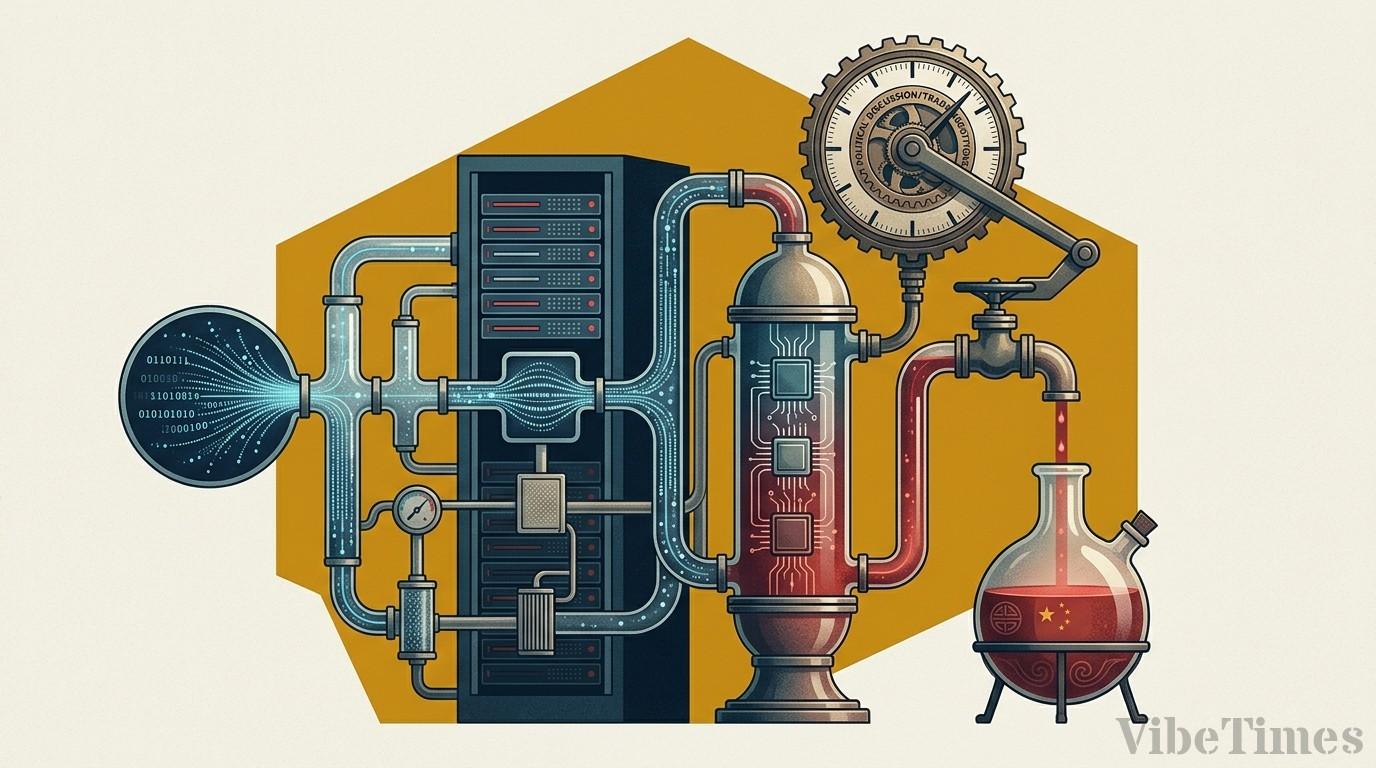
US-China technological tensions have entered a new phase with allegations that Moonshot AI's latest model, 'Kimi K3,' was trained using data from US-based Anthropic's 'Claude' without authorization. This controversy is an extension of the 'AI distillation' dispute that arose last year with the emergence of DeepSeek R1 and Alibaba's Qwen. While distillation is a method to improve efficiency by having a lower-tier model learn from the output of a high-performance model, issues regarding unauthorized collection through mass access and the replication of reasoning capabilities have emerged as legal and ethical flashpoints. The US has characterized China's extraction of massive amounts of responses from top-tier US models to boost performance as a serious security and economic threat.
US Treasury Secretary Scott Bessent strongly criticized distillation—an industry term as 'theft'—during an interview with Fox Business. He stated that attempts to reconstruct the code and thought processes of US models are unacceptable. The sensitive US reaction is underpinned by a deep sense of economic crisis, stemming from analysis that China's low-price open-source models could erode the revenue base of American AI companies. As the technological gap narrows rapidly, the US government is considering tightening regulations to protect indigenous source technology and is focusing on formulating countermeasures to maintain technological dominance.
China, too, has begun guarding against the exodus of its cutting-edge AI technology. Chinese authorities are discussing measures with major domestic tech firms like Alibaba and ByteDance to limit the scope of overseas disclosures regarding model weights and training data. This is interpreted as a shift away from the past strategy of actively leveraging open-source to expand global influence, toward a stance of strengthening technology security. Chinese Foreign Ministry spokesperson Lin Jian argued that China's AI development is a result of a high level of self-reliance in science and technology and joint discussions. He clarified China's opposition to the politicization and weaponization of technological issues.
As both nations raise technological barriers against one another, the AI ecosystem, once a symbol of information sharing and openness, is transforming into an arena of interstate control competition. Even amid US semiconductor export controls, China has accelerated its pursuit, prompting the US to preview strong countermeasures in the field of training data as well. As the value of AI as a national asset is emphasized over its openness, the fragmentation of the global technology supply chain is expected to accelerate. Consequently, the struggle for dominance between the US and China over artificial intelligence technology is projected to become even more fierce.
US President Donald Trump officially announced that he will take up the issue of artificial intelligence as a formal agenda item when Chinese President Xi Jinping visits the US in September. The US is expected to strongly raise allegations of China's AI distillation during this summit and demand specific guidelines for technology protection. The outcome of this meeting is judged to be a decisive watershed that will reshape the technical standards and distribution order of the global AI market.