#사회
Analyzing the Causes and Solutions for Intensifying Abnormal Temperatures

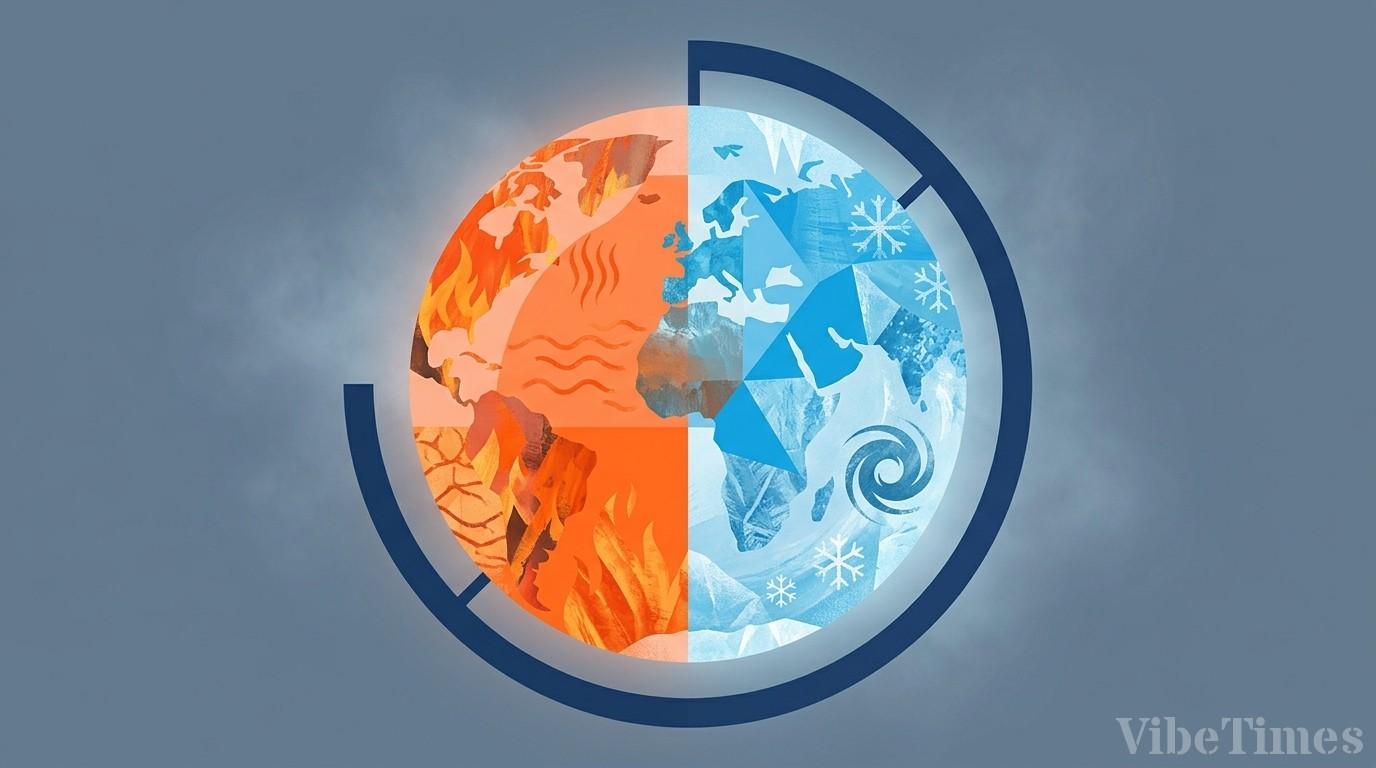
Over the past 100 years, the Earth's average temperature has risen by approximately 1.1 degrees Celsius, with the rate of increase accelerating to 0.3 degrees Celsius in the last decade alone. 2023 was recorded as the hottest year in history, and 2024 continues to experience record-breaking high temperatures. These abnormal temperatures have transcended mere weather shifts to emerge as economic variables threatening industrial ecosystems and human survival. The Intergovernmental Panel on Climate Change (IPCC) analyzes that greenhouse gas emissions from human activities are the primary drivers of global warming, increasing the frequency and intensity of extreme weather events.
Scientific Factors and Structural Background Causing Intensifying Abnormal Temperatures
Increased Greenhouse Gas Emissions and Thermodynamic Mechanisms
Greenhouse gases such as carbon dioxide and methane, emitted from human fossil fuel use and industrial processes, accumulate in the Earth's atmosphere, intensifying the greenhouse effect that traps radiant heat. According to the Global Carbon Project, global carbon dioxide emissions reached approximately 36.7 billion tons in 2022, a decisive factor in raising global temperatures. As temperatures rise, the atmosphere retains more water vapor, leading to extreme rainfall in some regions and severe droughts in others where moisture evaporates, causing meteorological polarization.Disruption of Atmospheric Circulation and Weakening of the Jet Stream
Global warming causes the Arctic to warm faster than other regions, reducing the temperature difference between the Arctic and mid-latitude areas. This phenomenon weakens and distorts the jet stream, which flows rapidly at high altitudes in the Northern Hemisphere, moving pressure systems. When the jet stream becomes stagnant or causes blocking events in certain areas, abnormal temperature phenomena such as prolonged heatwaves or cold snaps occur. Climate scientists warn that if the Earth crosses certain tipping points, uncontrollable climate change could begin, accelerating methane release from Amazonian desertification or thawing permafrost.Urbanization and Urban Heat Islands Causing Localized Warming
Urban areas, covered in concrete and asphalt, absorb large amounts of solar heat and release it at night, experiencing the urban heat island effect where temperatures remain higher than surrounding areas. These geographical characteristics, combined with global warming trends, amplify the intensity of heatwaves experienced by urban residents. Deforestation due to urbanization reduces carbon dioxide absorption sources, paralyzing the natural regulatory capacity that mitigates regional temperature increases.Impact of Climate Extremes on Industrial Sites and the Macroeconomy
Declining Agricultural Productivity and Uncertainty in Food Security
Abnormal temperatures disrupt crop growth cycles and cause sharp declines in yields, impacting global supply chains. Heatwaves and droughts are direct causes of agflation, leading to rising grain prices and global price instability. Conversely, torrential downpours flood farmlands and destroy infrastructure, threatening the foundations of agricultural systems. Countries with low food self-sufficiency are likely to be more vulnerable to the economic shocks caused by this climate volatility.Surge in Energy Demand and Rising Infrastructure Maintenance Costs
Summer heatwaves and extreme winter cold snaps drastically increase energy demand for heating and cooling, straining power grids. This not only raises electricity production costs but also increases the risk of large-scale blackouts due to overload. Furthermore, social infrastructure such as roads, bridges, and railways are increasingly undergoing deformation or damage when exposed to extreme environments outside the temperature ranges predicted during their design. The enormous budgets allocated to disaster recovery are likely to burden national fiscal soundness.Policy Responses and Technological Solutions to Overcome the Climate Crisis
Accelerating Energy Transition for Carbon Neutrality
The fundamental solution to mitigate abnormal temperature phenomena is to reduce reliance on fossil fuels and expand the proportion of renewable energy. Transitioning to clean energy sources like solar and wind power is the most effective way to substantially reduce greenhouse gas emissions. The energy policies of leaders in major countries, including President Lee Jae-myung and former US President Donald Trump, and the level of international cooperation are expected to be key variables in achieving future global carbon reduction targets. Technological innovation for low-carbon industrial processes and improved energy efficiency is becoming a new standard for determining corporate competitiveness.Advancing Climate Adaptation Technologies and Redesigning Infrastructure
Efforts are needed to establish climate adaptation centers and strengthen disaster prevention systems to cope with the already changed climate. Developing genetically modified crops that are drought-resistant and adopting smart farming technologies will serve as defenses for food security. Urban designs optimized for climate change, such as securing green spaces in cities and using building materials that minimize heat absorption, must also be pursued concurrently. The use of artificial intelligence technology to improve disaster prediction capabilities by increasing the precision of meteorological observation data is also becoming crucial.Strengthening International Cooperation and Changing Public Awareness
Climate crisis is a global challenge that cannot be solved by the efforts of any single country; therefore, technology sharing and financial support between developed and developing countries are essential. Voices are growing louder calling for countries with greater responsibility for carbon emissions to play a more active role in realizing climate justice. Simultaneously, individual citizens must also strive to reduce their carbon footprint through lifestyle changes such as using public transportation, conserving energy, and recycling resources. Only when these multifaceted responses are harmonized can the damage caused by abnormal temperatures be minimized and a sustainable future be secured.
Related Articles
Even Heavy Sleepers Can Stick to a 5-Minute Morning Routine
사회
For Menopausal Women, the Mediterranean Diet Comes Out Ahead (Character count with spaces: 24)
사회
출생아 15% 늘었지만, 정책이 아니라 엄마 나이가 먼저 바뀌었다
사회
Dog Cafes Beat Hiking as a Substitute for Dog Walks
사회
고용률 70.4% 역대 최고, 청년은 28개월째 내리막
사회
Exploring the Difference Between Minimalists and Frugalists
사회