Defining Fast Fashion: An Analysis of Its Environmental Impact and Climate Effects

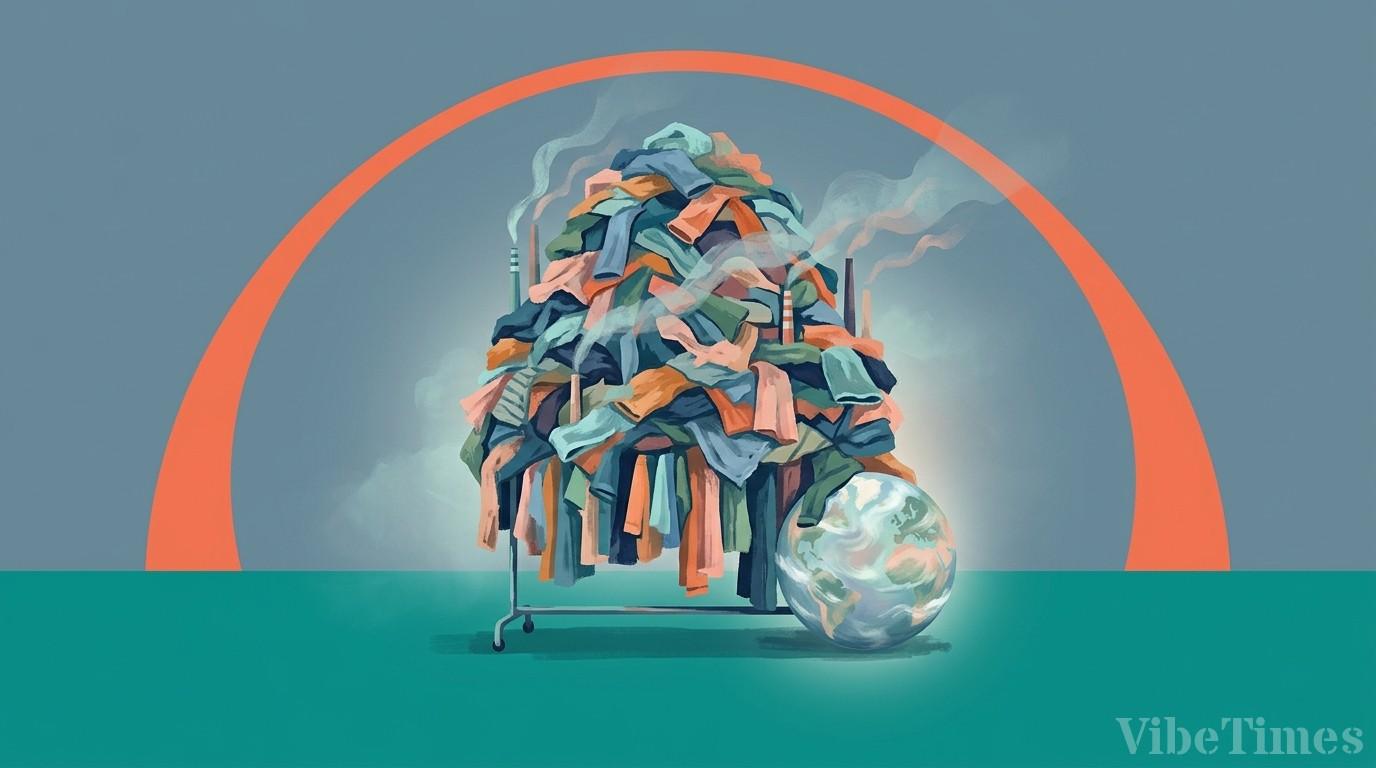
It takes 2,700 liters of water to make a single 10,000-won t-shirt. That is enough drinking water for one adult for two and a half years. 'Fast Fashion,' which consumes trends cheaply and quickly, is now cited as the world's second-largest polluter after the oil and chemical industries. According to the UN Environment Programme (UNEP), it accounts for up to 10% of global greenhouse gas emissions. This scale exceeds the combined emissions of international aviation and shipping. The mass production model initiated by ZARA and H&M has evolved into 'ultra-fast fashion' with players like Temu and SHEIN, moving the industry to the center of climate change discussions.
Defining Fast Fashion and How It Works
A Model of Rapid and Affordable Trend Consumption
Fast fashion refers to an apparel industry model that, like fast food, rapidly reflects the latest trends to mass-produce goods at low prices, encouraging consumers to replace clothes in short cycles. ZARA aimed to get products from design to store shelves within two weeks, while SHEIN and Temu compressed this to a matter of days, ushering in the era of 'ultra-fast fashion.' Production is based in developing countries like Bangladesh, Vietnam, and Myanmar where labor costs are low, utilizing cheap synthetic fibers to drive down prices.
Planned Obsolescence as a Design Strategy
The core is not durability but 'short-term trends.' By using low-quality fabrics and stitching structures to artificially reduce the lifespan of clothing, consumers are compelled to constantly buy new products. This is known as planned obsolescence. In fact, while fast fashion items are worn an average of only 7 to 10 times, slow fashion products, which aim for sustainability, target a lifespan of over 30 wears. This effectively roots a 'throwaway culture' throughout the industry.
The Reality of Environmental Pollution: Water, Plastics, and Waste
Clothes Made from Oil
More than 60% of fast fashion garments are made from petroleum-based synthetic fibers like polyester, nylon, and acrylic, rather than cotton or hemp. Essentially, they are an extension of the petrochemical industry. A single pair of jeans requires about 7,500 liters of water, and the toxic chemicals generated during the dyeing process pollute rivers and groundwater in producing countries.
Microplastics Flowing from Washing Machines to the Ocean
When washing clothes made of synthetic fibers, tiny plastic fragments called microfibers detach and flow into the ocean through sewage systems. Studies suggest that approximately 35% of marine plastic pollution originates from laundry. These microplastics accumulate in marine life and return to humans through the food chain. The waste problem is also severe; globally, a truckload of textiles and clothing is landfilled or incinerated every second.
Why Climate Change Matters Here
Carbon Emissions Throughout Production, Logistics, and Disposal
The link between climate change and fast fashion goes beyond the waste problem. First, it relies on fossil fuels like petroleum in the raw material stage, and the manufacturing process consumes massive amounts of fossil energy. In particular, the processes for dyeing and finishing fabrics use more than 50% of the total energy and emit large amounts of greenhouse gases. Added to this is the carbon footprint from the global supply chain—raw materials from the US, weaving in China, sewing in Bangladesh, and sales in Europe and Korea—requiring airplanes, ships, and trucks. Even at the disposal stage, landfilled clothing decomposes and emits methane. Methane is a greenhouse gas with a warming effect more than 25 times potent than carbon dioxide.
Projections of a 50% Emission Increase by 2030 and Regulatory Movements
If current trends continue, the fashion industry's carbon emissions are projected to increase by 50% by 2030. Regulations have also begun to move. The French parliament passed a bill targeting companies like SHEIN, which release thousands of new products daily, imposing environmental compensation fees on ultra-fast fashion products. This approach forces the industry to bear the environmental costs hidden behind low prices.
What Consumers Can Do: Slow Fashion and Circular Usage
Checking Materials and Changing Laundry Habits
The most certain action is to check the material label before purchasing. Instead of petroleum-based materials like polyester, choose cotton, linen, organic cotton, or recycled materials. When washing synthetic fiber clothes, using a specialized microplastic prevention bag can reduce the amount of leakage. Durability-focused brands like Patagonia, as well as vintage and reformed items, serve as alternatives.
Extending Clothing Lifespan through Repair and Second-hand Trading
Circular consumption, which involves repairing clothes and reusing them through second-hand trading or rental, has the effect of reducing production volumes themselves. Research shows that wearing a piece of clothing for one year longer can reduce its carbon footprint by about 20-30%. The low unit price of fast fashion is a result of shifting environmental costs onto society; therefore, choosing to wear clothes for a longer time, even if slightly more expensive, becomes a structure that benefits both the individual's wallet and the planet. Ultimately, the reason climate change is discussed alongside fast fashion is simple: the clothes we wear are made with energy, oil, and water, and they leave behind greenhouse gases even when discarded.