Chief Justice Cho Hee-daepresents Justice nominations in writing... Political wrangling intensifies between President Lee Jae-myung, the Judiciary, and Rival Parties

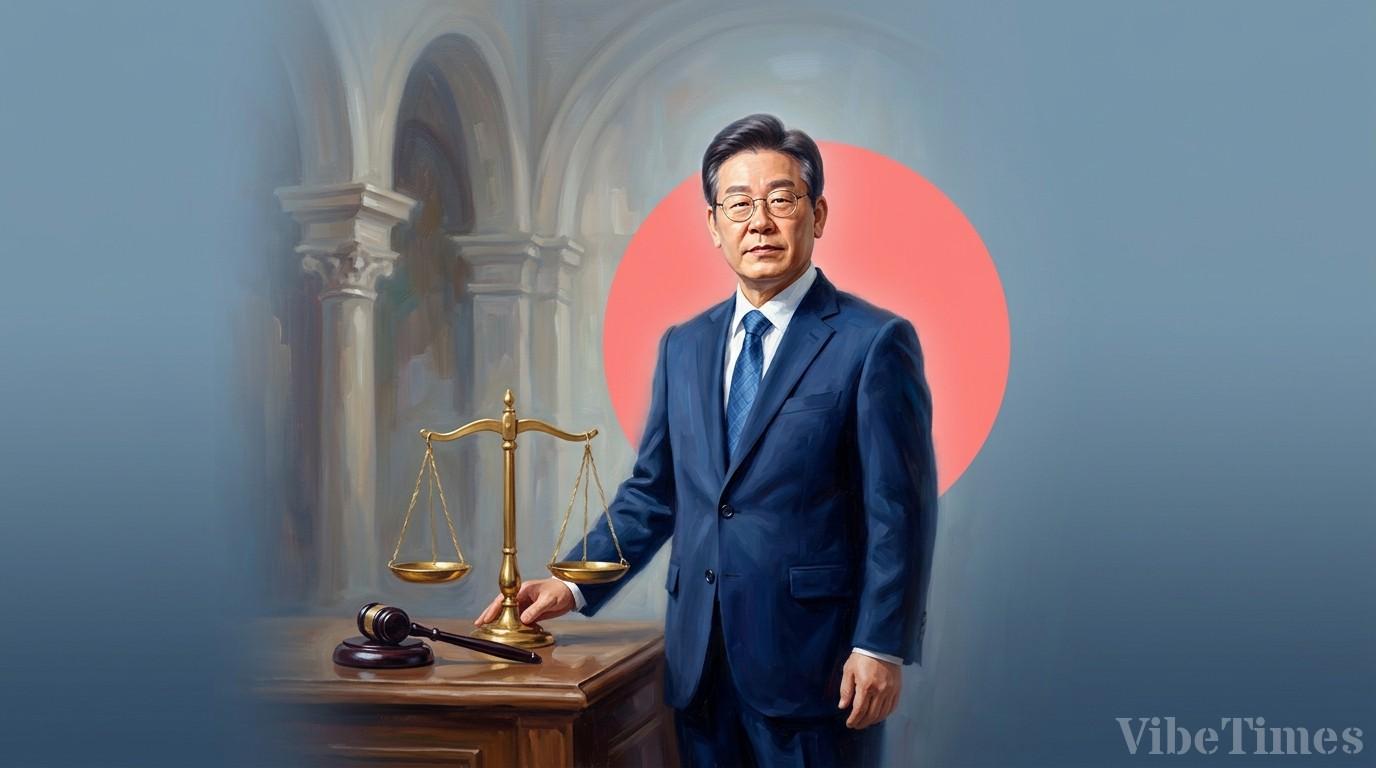
Two Supreme Court seats vacant simultaneously… The fallout of Cho Hee-dae's 'Written Notification'
A clash has erupted between the Supreme Court and the Presidential Office over the process to fill two vacancies left by the expiration of the terms of former Justice No Tae-ak and Justice Lee Heung-goo. Supreme Court Chief Justice Cho Hee-dae formally submitted a written request to President Lee Jae-myng to appoint Senior Judges Son Bong-ki and Kim Sung-soo as his successors. The issue was the procedure. By notifying the President in writing without prior consultation with the Presidential Office, Chief Justice Cho bypassed the customary procedure of a meeting and consultation with the President.
The Presidential Office stated, "There were no specific consultations," and released its position on the circumstances of the written request. However, based on the constitutional premise that the power to appoint Supreme Court Justices lies with the President, the prevailing sentiment is that the decision on whether to accept the recommendation is left to the President's judgment. The dominant interpretation is that Chief Justice Cho rushed the recommendation of successors due to the vacuum in judicial duties. A pragmatic decision underlies this move, aimed at meeting the quorum requirements for joint panel hearings in a situation where two justice seats are simultaneously vacant.
'Shielding Lee Jae-myung' vs 'Taming the Judiciary'
The People Power Party offered a politically expansive interpretation of the matter. Regarding Democratic Party leader Kim Min-seok's call for Chief Justice Cho Hee-dae to resign voluntarily, the People Power Party defined it as an attempt to 'tame the judiciary' for the sake of 'shielding Lee Jae-myung.' Both the ruling and opposition parties are locked in a battle surrounding the appointments of the Chief Justice and Supreme Court Justices.
The Democratic Party also fired back. As controversy arose over whether the Chief Justice's simultaneous recommendation 'bypassed' the President, some within the ruling party even raised the prospect of "impeachment grounds." Ultimately, an internal judiciary personnel custom has escalated into a full-blown political showdown. With President Lee Jae-myung's trial related to the presidential election ongoing, the judiciary appointments carry greater political sensitivity than ever. This is also a burden in terms of approval ratings. According to a Gallup Korea poll, President Lee Jae-myung's job approval rating stood at 45%, up 1 percentage point from the previous week, but negative ratings also stood at 45%, indicating a fractured public opinion.
The Lee Jae-myung Administration's Calculus… Strict Neutrality is the Answer
President Lee Jae-myung, marking his second year in office, has proclaimed an anti-corruption stance of "strictness without taking sides." In this context, the appointment of Supreme Court Justices has become the first test of the government's judicial reform credibility. If he appoints the recommended personnel as is, criticism over poor prior consultation will remain, but the procedural controversy will be brought to an early close. Conversely, if he rejects or delays the recommendation, there is a high risk of it escalating into a direct conflict with the judiciary.
Under the Constitution, the appointment of Supreme Court Justices follows the sequence of the Chief Justice's recommendation, the President's appointment, and the National Assembly's confirmation hearing. Since the President holds the appointment power, the Presidential Office's explicit mention of "presidential appointment power" is interpreted as leaving open the possibility of acceptance. Above all, if the judicial vacuum is left unaddressed, the responsibility could fall to the President, making practical options limited.
Outlook… Acceptance of Appointment and Institutionalization Debate
The future trajectory is expected to unfold in two ways. First, the President is likely to proceed with the appointment process for Senior Judges Son Bong-ki and Kim Sung-soo, while subsequently moving to codify and institutionalize the custom of prior consultation in future recommendation processes. Intense vetting by the opposition party is also anticipated during the National Assembly confirmation hearings. The People Power Party is expected to continue the 'judiciary takeover' frame by scrutinizing the candidates' trial records and attitudes toward the government.
In the medium to long term, legislative discussions to clarify the legal basis and customs for the Supreme Court Justice appointment process appear inevitable. As a single written recommendation triggered a conflict between two constitutional institutions, establishing measures to ensure procedural transparency has emerged as the substantive task of this situation. How the 'strict neutrality' proclaimed by President Lee Jae-myung is realized in the appointment decision is expected to serve as a benchmark for the future relationship between the judiciary and the executive branch.