AI-Generated Videos Expand Creative Horizons but Shake the Foundations of 'Truth'

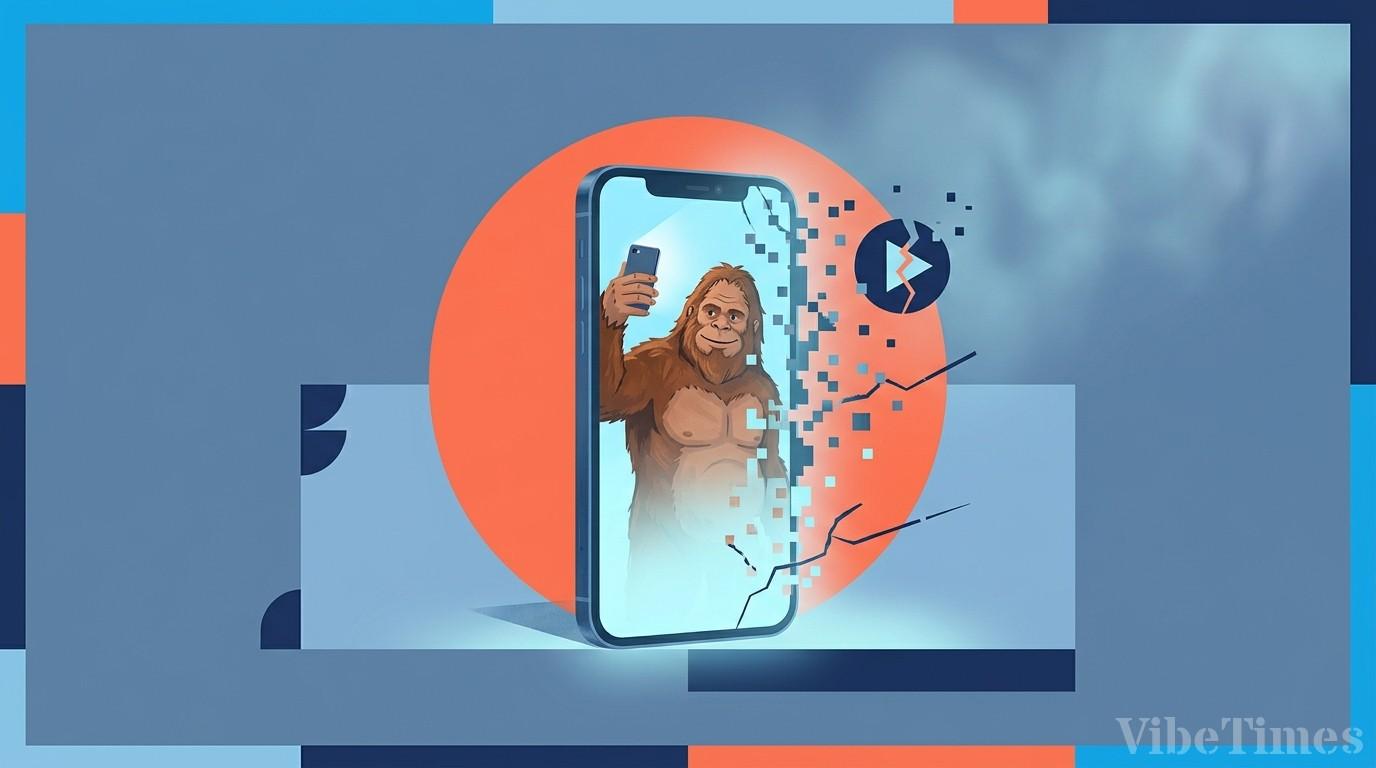
Now, anyone can create a video with a single line of text. However, the spread of generative AI capable of creating fake videos that look authentic is simultaneously raising the risks of trust collapse and tightened regulation.
Generative video models can produce high-quality video and audio in mere seconds, virtually indistinguishable from real content. As the cost burden decreases, creators continue to experiment with lower risk of failure, rapidly validating ideas in the fiercely competitive social media video market. One-click clip generation, automatic editing, and multilingual dubbing features boost efficiency throughout the production process. However, there are still limitations in producing long-form content, so it is spreading first around short, rapidly consumed content such as meme-based ads or short-form videos.
Traditional media is grappling with the adoption of generative video. According to Deloitte's '2025 Media & Entertainment Outlook', major studios are experimenting with generative video but hesitating to use it in actual production. This is due to concerns that premium content brands could be tarnished by synthetic media and conflicts with production staff. In the same vein, during the 2023 Hollywood actors and broadcasters union (SAG-AFTRA) strike, the union demanded restrictions on the use of generative AI in production.
As anyone can now mass-produce and distribute content that looks factual, the risks of fraud, misinformation, and political manipulation are growing. Deloitte pointed out that in a situation where video evidence cannot function as a basis for truth, a succession of fake news feeds, celebrity sighting videos, manipulated political blunders, and false warnings could spiral into large-scale social unrest.
Regulatory movements are also accelerating. Deloitte predicts that by 2026, the U.S. could see strengthened age verification, mandatory AI content labeling, and a re-examination of platform legal liability. Consequently, social media platforms face pressure to quickly implement technical safeguards such as watermarking, AI labeling, and content source tracking.
Duncan Stewart, Director of Research for TMT at Deloitte Canada, stated, “Generative AI video dramatically expands creative capacity while simultaneously eroding trust and increasing regulatory pressure,” adding that “the future of platforms depends on how much accountability and transparency they secure.”