Comparing Ways to Make a Latte Without an Espresso Machine

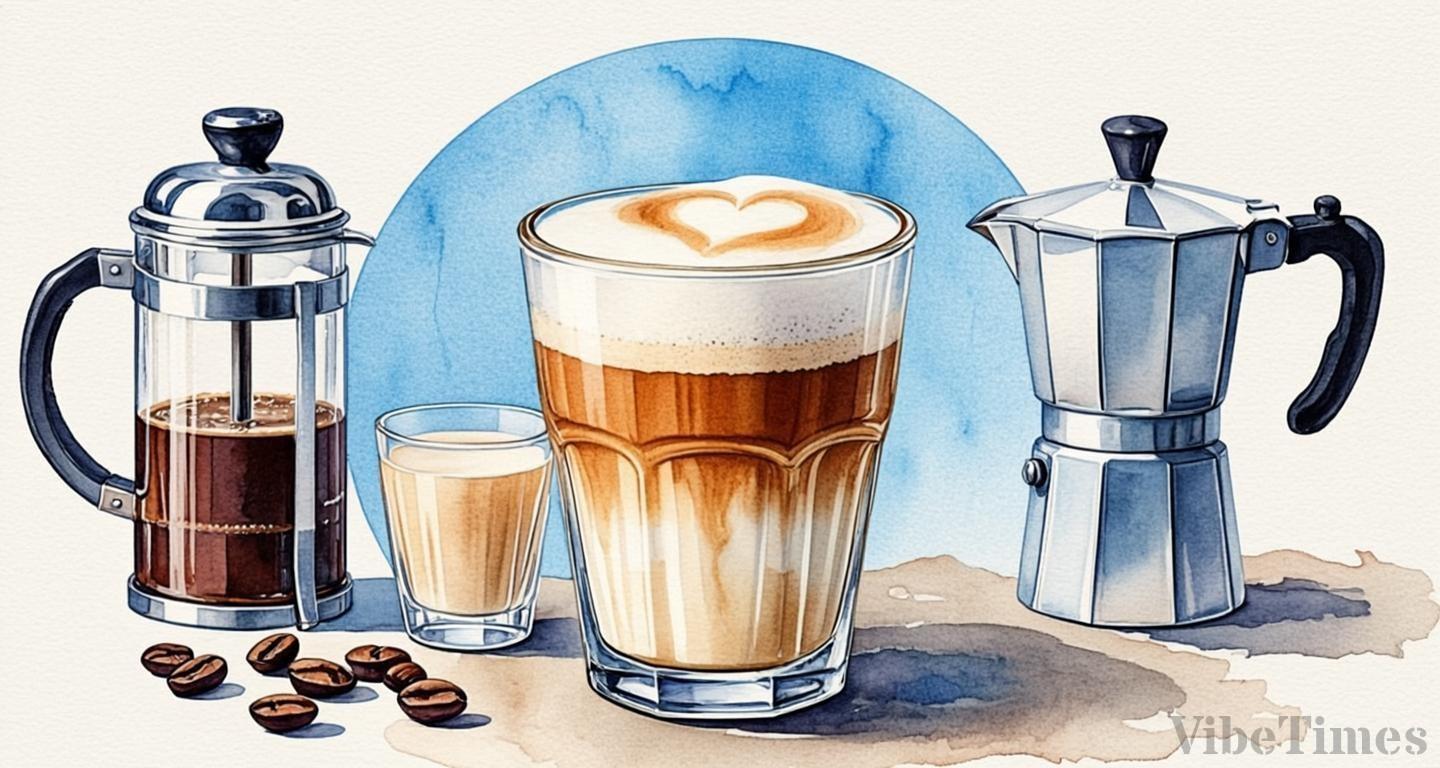
You can make a café latte at home without an espresso machine for under 50,000 won.
By definition, a latte is one or two shots of espresso topped with 150–200ml of steamed milk. In other words, if you can replicate just two things — "strong, concentrated coffee" and "milk with fine microfoam" — you can make café-quality lattes at home without a basic machine costing 300,000–1,000,000 won. Since the pandemic, home café culture has taken root, with South Korea's home café population estimated in the millions — meaning demand is high for enjoying lattes without pricey equipment. This article compares five alternatives for brewing coffee and five alternatives for frothing milk, based on price, difficulty, and how close they come to the real thing in taste.
Two Tasks to Replace the Machine
It All Comes Down to Concentration and Foam
Break down what a machine does and it comes down to two things: extracting strong coffee under high pressure, and injecting steam into milk to create foam. Since each can be replaced with different tools, the approach is surprisingly simple. Coffee alternatives include the moka pot, strong pour-over, French press, instant coffee, and capsule coffee.
Milk Foam Is Possible Without Equipment, Too
The five tools that can substitute for steamed milk are a French press, a battery-powered handheld frother, a hand blender, a sealed container shaken by hand, and a dedicated milk frother. Below, we compare brewing and frothing separately, then wrap up with the best combinations for each purpose.
Brewing Coffee: What Can Replace Espresso?
Moka Pot — Overall Top Pick
This method uses the steam pressure created as water boils in the lower chamber to push water up through the grounds. With a brew ratio of roughly 1:7 to 1:10, it produces the concentration closest to espresso. Prices run 30,000–70,000 won, with the Bialetti 3-cup model costing around 40,000 won. To use it, fill the lower chamber with water up to just below the safety valve, place medium-fine grounds flat in the basket, and set it over medium heat. The key trick: turn off the heat as soon as you hear the "gurgling" sound. That said, beginners can easily burn the grounds, and the first two or three brews should be discarded to remove the metallic smell.
Instant & Capsule — Choosing Speed Over Cost
Instant coffee works well for lattes if you reduce the water to two or three times the usual concentration. Its biggest advantages are the lowest upfront cost and no equipment required, but its flavor limits are clear. The common verdict: it tastes like a latte, but the coffee flavor falls short. Capsule machines costing around 100,000 won can genuinely pull espresso shots, but under the "no machine" condition, they're close to disqualified.
Pour-Over & French Press — Making the Most of What You Own
If you already have a dripper, make a concentrated brew with 20g of grounds and 60–80ml of water — a 1:3 to 1:4 ratio. The advantage is easy flavor adjustment, but it's difficult to replicate espresso's signature crema. The French press method uses 18g of grounds steeped in 90ml of water for 4 minutes, then pressed. Since it can handle both coffee extraction and milk frothing with a single device, it suits minimalists. On the downside, leftover fine sediment makes it taste muddy, and it's weaker than espresso.
Milk Foam: Value vs. Convenience
French Press & Hand Blender — Zero Extra Cost
Put milk warmed to around 60°C in a French press and pump the plunger up and down rapidly 15–20 times, and you'll have café-grade microfoam within a minute. The foam quality is also quite good. A hand blender is faster at 30 seconds, but you'll need a deep container to contain the noise and splattering milk.
Frother, Milk Frother, Shaking a Bottle — Ranked by Convenience
A battery-powered handheld frother, at 5,000–10,000 won, is the best value. Thirty seconds to a minute is enough — you just heat the milk separately. Dedicated milk frothers, at 30,000–100,000 won, handle both heating and frothing in one step, ranking first for convenience but at a higher cost. The method of filling a sealed container less than halfway with milk, shaking it with the lid on, then microwaving for 30 seconds costs nothing, but the foam is coarse and dissipates quickly, making it unsuitable for latte art. Foam quality also depends on your choice of milk: whole milk with at least 3.5% fat produces silky foam with a lower failure rate.
Best Combinations by Purpose and Tips to Avoid Failure
Three Recommended Combinations
The sweet spot between taste and value is a moka pot paired with a handheld frother — 40,000–60,000 won total gets you café-quality flavor. For top-tier taste, add an electric milk frother to the moka pot and invest 70,000–120,000 won. Minimalists can handle both extraction and frothing with a single French press for 20,000–40,000 won, while the ultra-simple route is instant coffee plus a handheld frother, starting for under 10,000 won.
Failure-Prevention Checklist
Heat milk to 55–65°C. Above 70°C, the sweetness is destroyed and the foam collapses. Microwave heating takes 40 seconds to 1 minute — just short of boiling is the limit. Skim milk froths easily but deflates quickly and tastes flat. If the coffee isn't strong enough, the milk will drown the flavor and you'll end up with "milk coffee," so always brew stronger than usual. To finish, slowly pour 150ml of frothed milk over 40–60ml of concentrated coffee, then attempt latte art with the last of the foam. When cleaning a moka pot, rinsing with water instead of detergent preserves the coating and the flavor — and don't forget to check for a clogged safety valve and replace the rubber gasket periodically. Wash the frother head right after use to prevent bacteria growth from milk residue. Prices mentioned may vary, so verify with official retailers before purchasing.