For Menopausal Women, the Mediterranean Diet Comes Out Ahead (Character count with spaces: 24)

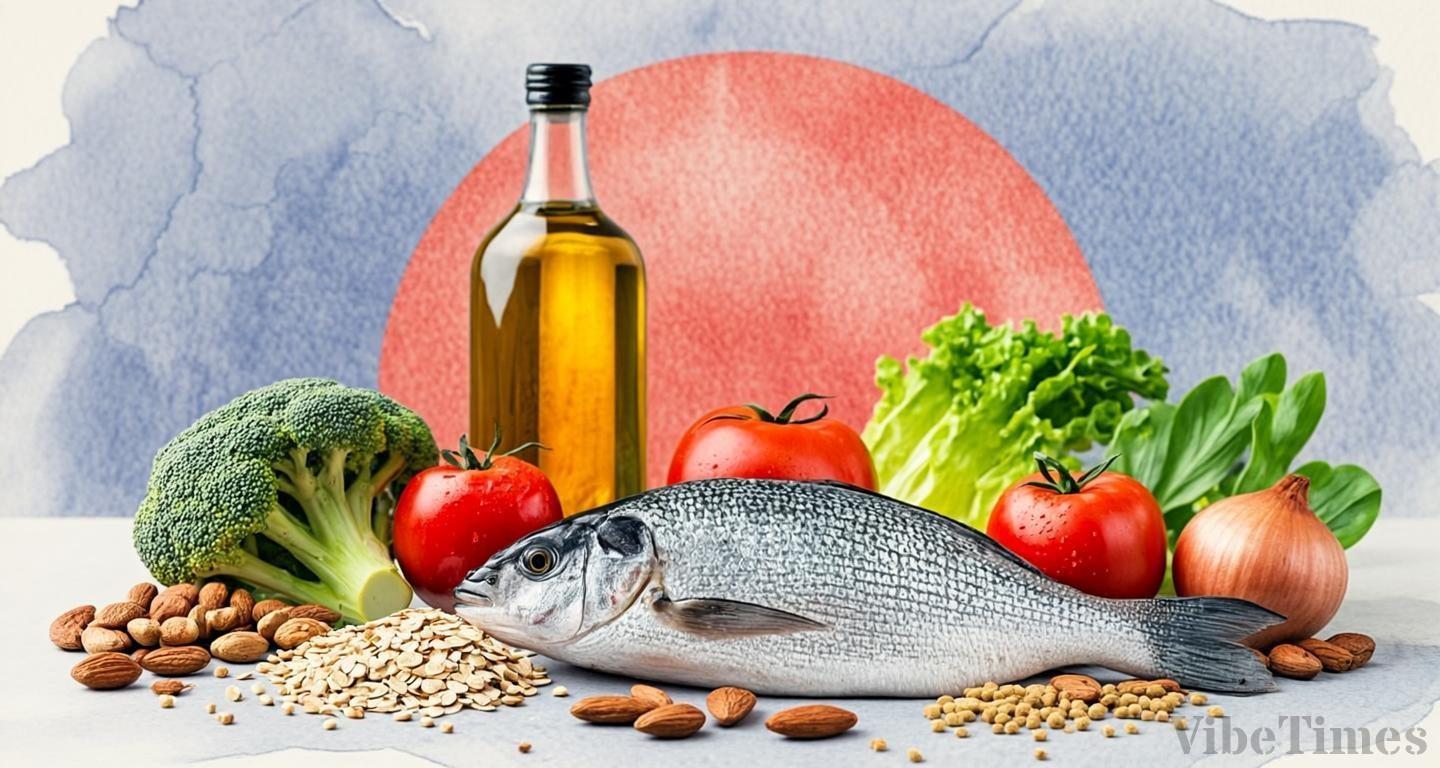
In the contest of dietary choices for menopausal women, the winner was the Mediterranean diet. The weight of evidence built over decades of clinical research overwhelms that behind the slow-aging diet. Still, the principles of blood sugar control and antioxidants embedded in the slow-aging diet remain valid, and an integrated strategy that layers them onto the Mediterranean framework is seen as the practical optimum.
Tolstoy said that truth, like gold, is what remains after washing away the rest. Amid a flood of dietary information, experts agree that the answer left standing after sifting through the research is the Mediterranean diet. The American Heart Association and the U.S. News & World Report diet rankings have placed the Mediterranean diet first overall for consecutive years, and the same direction holds in the field of menopausal women's health.
Why Menopause Is the Period That Determines Lifelong Health
Five Years After Menopause, Bones and Blood Vessels Collapse Together
The sharp drop in estrogen is the starting point of every change. Within five years after menopause, 10 to 20 percent of bone mass can be lost, and cardiovascular disease risk surges due to rising LDL cholesterol and declining vascular elasticity. Diet in this period goes beyond weight management; it takes on the character of a therapeutic strategy to prevent osteoporosis and cardiovascular disease.
Muscle, Visceral Fat, and Insulin: Three Enemies Must Be Tackled at Once
Muscle mass declines by 0.5 to 1 percent each year, fat is redistributed to the abdomen, and the risk of metabolic syndrome jumps two to three times. Therefore, a diet suited to menopause must simultaneously meet three conditions: securing protein, providing anti-inflammatory and antioxidant benefits, and stabilizing blood sugar. The comparison between the two diets is also built on these three axes, with bone density protection and sustainability added.
The Slow-Aging Diet: Right Principles, But Unproven
Strengths in Blocking Blood Sugar Spikes and Antioxidants
The slow-aging diet emphasizes antioxidant foods such as berries, green and yellow vegetables, and green tea, and prevents blood sugar spikes with low-glycemic-index foods. This aligns with the realities of menopause, when insulin resistance grows. The message to avoid ultra-processed foods and refined sugar is also valid for metabolic health.
No Single Definition, No Large-Scale Clinical Trials
The problem is the evidence. The slow-aging diet is a trend concept that has taken shape in South Korea over the past few years, with no single official academic definition and no randomized controlled trials to validate it. It is a hybrid concept mixing the Mediterranean diet, the DASH diet, and calorie restriction, so its interpretation varies from person to person. The fact that much of the related content is commercially motivated is another obstacle.
Especially during menopause, combining intermittent fasting can be risky. With fewer opportunities to eat, it becomes difficult to secure calcium and protein, and reduced windows for muscle protein synthesis raise concerns about accelerating muscle loss. Even some aging researchers who support calorie restriction have attached warnings about the risk of muscle loss in postmenopausal women.
The Mediterranean Diet: A Verified Optimal Solution for Menopause, In Numbers
Cardiovascular Risk Down 30 Percent, Early Mortality Down 20 to 25 Percent
The PREDIMED randomized controlled trial in Spain, involving about 7,400 participants, found that the Mediterranean diet lowered cardiovascular disease risk by roughly 30 percent. In Harvard's Nurses' Health Study, women with high Mediterranean diet scores had a 20 to 25 percent lower risk of early death, along with reduced risks of cognitive decline and depression. Observational studies from 2020 to 2023 reported that higher adherence to the Mediterranean diet tended to ease symptoms of hot flashes and sleep disorders.
Fish, Legumes, and Olive Oil Protect Bones and Muscles
Oily fish at least twice a week supplies omega-3 and vitamin D, while daily legumes and nuts provide plant-based protein and calcium. Olive oil and fish consumption showed positive associations with maintaining bone density. Limiting red meat and minimizing processed foods lead to suppression of chronic inflammation. The decisive difference is that the evidence for menopause's three major risks—bone density, muscle mass, and cardiovascular health—is solid in all three directions.
High Marks for Sustainability, Too
Even the best diet is meaningless if you cannot stick to it. The Mediterranean diet, with its appeal and flexibility, is advantageous for long-term adherence. The slow-aging diet, by contrast, tends to have high dropout rates due to strict rules and fasting requirements, and even if its weight-loss effects are greater in the short term, the risk of rebound weight gain looms. Interestingly, weight and blood sugar control is the only area where the slow-aging diet shows an advantage.
The Answer: Building on the Mediterranean Framework, With Slow-Aging Principles on Top
An Integrated Approach for Three Meals a Day
For breakfast, have Greek yogurt with blueberries or avocado and three walnuts, plus a small amount of whole-grain oatmeal. Lunch is a mix of brown rice and oats with oily fish like mackerel or salmon, topped with colorful vegetables and tofu, finished with olive oil dressing. Dinner combines vegetable soup with chicken breast or tofu and seasoned greens dressed in olive oil, ending with a small piece of fruit. Snacks pair cherry tomatoes, boiled eggs, and broccoli sticks with green or black tea. Dividing roles—olive oil for dressings and stir-fries, avocado for snacks and sandwiches—works efficiently.
Three Priorities to Start Now
First, get 25 to 30 grams of protein per meal, or 1.2 to 1.5 grams per kilogram of body weight daily. Preventing muscle loss is the core task of the menopausal diet. Second, secure 1,000 to 1,200 milligrams of calcium and vitamin D from dairy products, fish eaten with bones, and tofu. Third, replace white rice and wheat flour with whole grains to prevent blood sugar spikes. This last item is the valuable legacy drawn from the slow-aging diet.
The ten years from ages 45 to 55 determine the bones, heart, and muscles of later life. Establishing a proven framework first and filtering unproven trends into it appears to be the surest way to protect that decade.
