Rerouted exports of Chinese goods disguised as South Korean products up 12-fold in six years

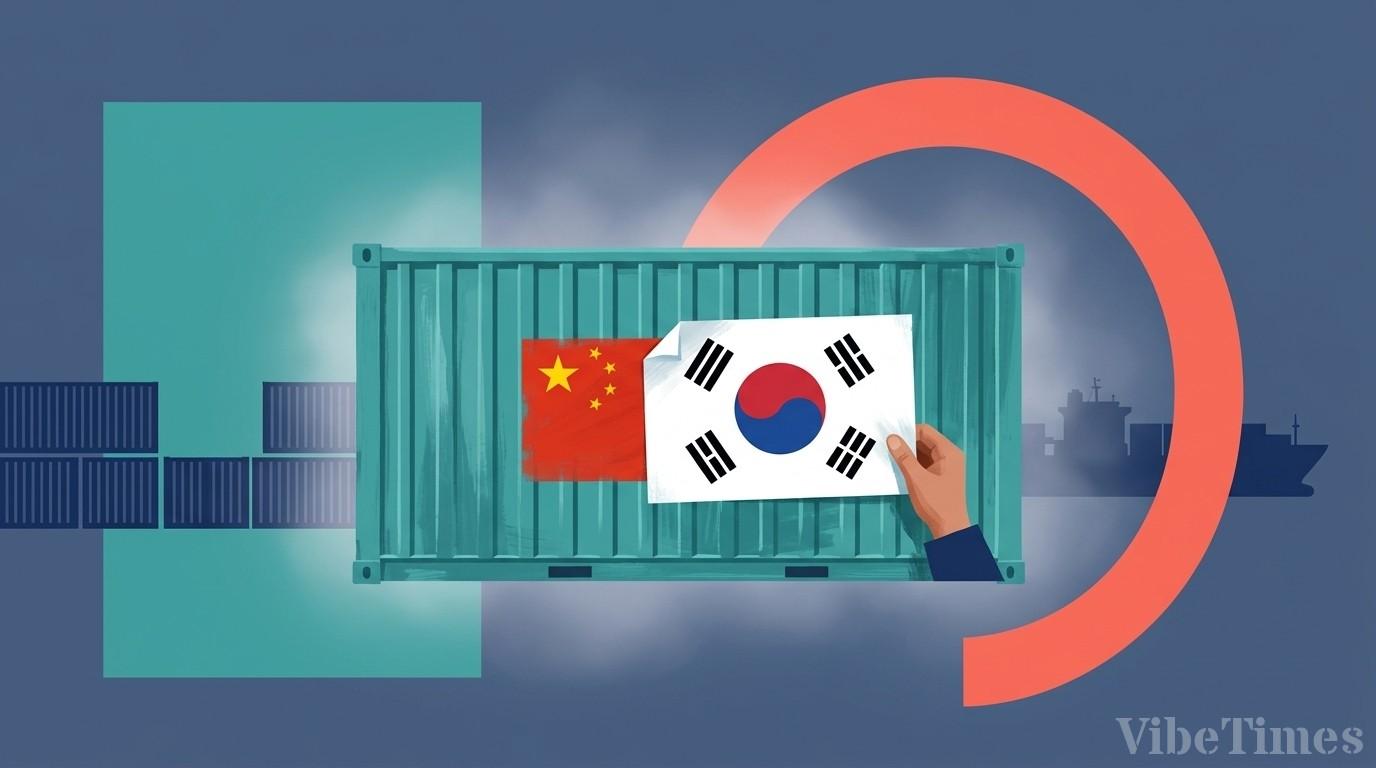
It was confirmed on the 24th that so-called 'origin-faking rerouted exports' — re-exporting imported products with South Korean labels attached — have grown more than 12-fold over the past six years. According to data submitted by the Korea Customs Service to Rep. Moon Jin-seok of the Democratic Party of Korea on the National Assembly's Strategy and Finance Committee, rerouted exports disguised as domestic products reached 574.7 billion won through July of this year, an increase of more than 12 times compared to 43.3 billion won in 2020.
The scale of such exports fluctuated before gaining momentum recently. It jumped once from 43.6 billion won in 2021 to 240.8 billion won in 2022. It then fell to 118.8 billion won in 2023 and 34.8 billion won in 2024, before rising again to 457.3 billion won in 2025.
Amid this trend, voices in the political sphere are calling for stronger enforcement. Rep. Moon pointed out, "The trust in K-brands that our companies have built over decades must not be shaken." He emphasized, "Since origin-marking violations can escalate into trade friction, the Korea Customs Service must review its enforcement personnel and detection systems."
There are warnings that continued origin-faking rerouted exports could erode the national brand value of Korean products and lead to trade friction, underscoring the need for the Korea Customs Service to review its enforcement framework.