Six Days After Mine Blast, DMZ Investigation Falls Short of Blast Site

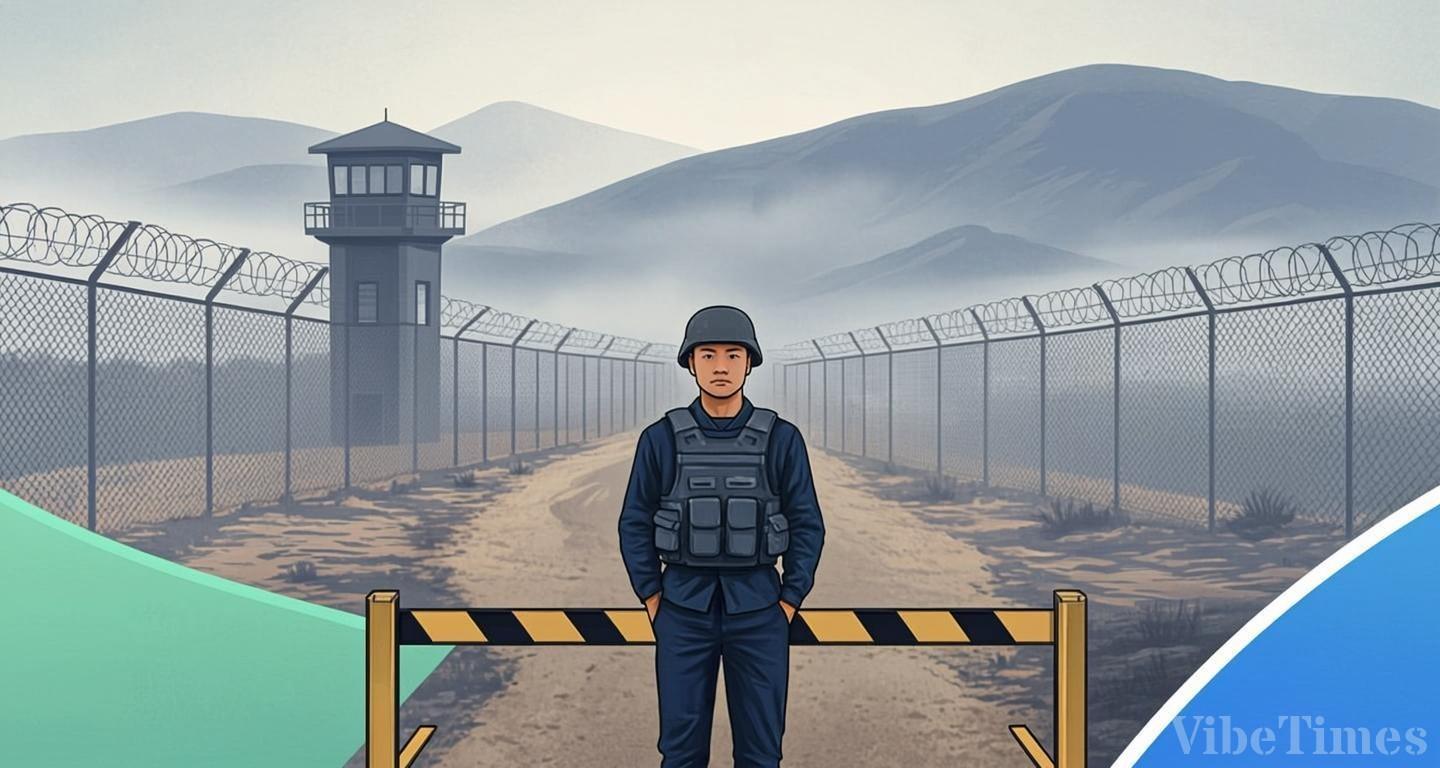
The Joint Chiefs of Staff (JCS) and the United Nations Command (UNC) conducted a joint investigation on the 27th into the site of a suspected landmine explosion (two seriously injured, one lightly injured) that occurred on the 21st in an area near the Demilitarized Zone (DMZ) on the western front, but were unable to reach the point where the blast took place. Some 40 members of the investigation team spent the day from 9 a.m. until sunset sweeping the DMZ access road with metal detectors and carrying out work to expand additional access routes. The JCS said the investigation area lies in an unverified minefield, making it dangerous, and that participants were suffering from extreme fatigue, so the work was ended with safety as the top priority, to be resumed later. The military and the UNC agreed to restart the investigation once safety in the area was secured.
The opposition criticized the delay. Jang Dong-hyuk, leader of the People Power Party, claimed at a press conference the same day, "If President Lee Jae-myung deliberately delayed the on-site investigation, this is clearly an act of treason." He said it constituted a crime of foreign exchange manipulation (treachery), warranting not only impeachment but also arrest and trial. Han Dong-hoon, an independent lawmaker, also pressed, "Who was it that overrode the UNC's call for an immediate on-site investigation on the 21st and 22nd and decided to begin only after the Chuseok holiday, from the 29th?" claiming the South Korean government had rejected the UNC's request for a swift investigation.
The ruling party pushed back. Cho Kye-won, spokesperson for the Democratic Party of Korea, said, "Stop the political wrangling in the face of injured soldiers," asking, "If a secondary accident occurs after sending in an investigation team without safety measures in place, who would bear that responsibility?" Military authorities noted that the site of the August 2015 wooden box mine explosion in Paju, Gyeonggi Province, was an access route near a controlled gate managed by the military, whereas this incident occurred near the Military Demarcation Line in an area not normally traveled, posing risks of additional explosions and requiring the investigation to await safety measures.
The M14 anti-personnel mine, a South Korean ankle mine, is known to have relatively low explosive power. Yet in this blast, the search battalion commander and others were seriously injured despite wearing combat boots rated for mines, double insoles, and bulletproof vests.
If the mine that exploded is confirmed to be a North Korean one, an investigation will determine whether it was deliberately planted or a displaced mine washed down by heavy rains. A river flows down from the North near the accident site. The military judges whether a mine has been displaced based on terrain and burial patterns.