A Year of Curbing Speculation but Not Seoul Home Prices

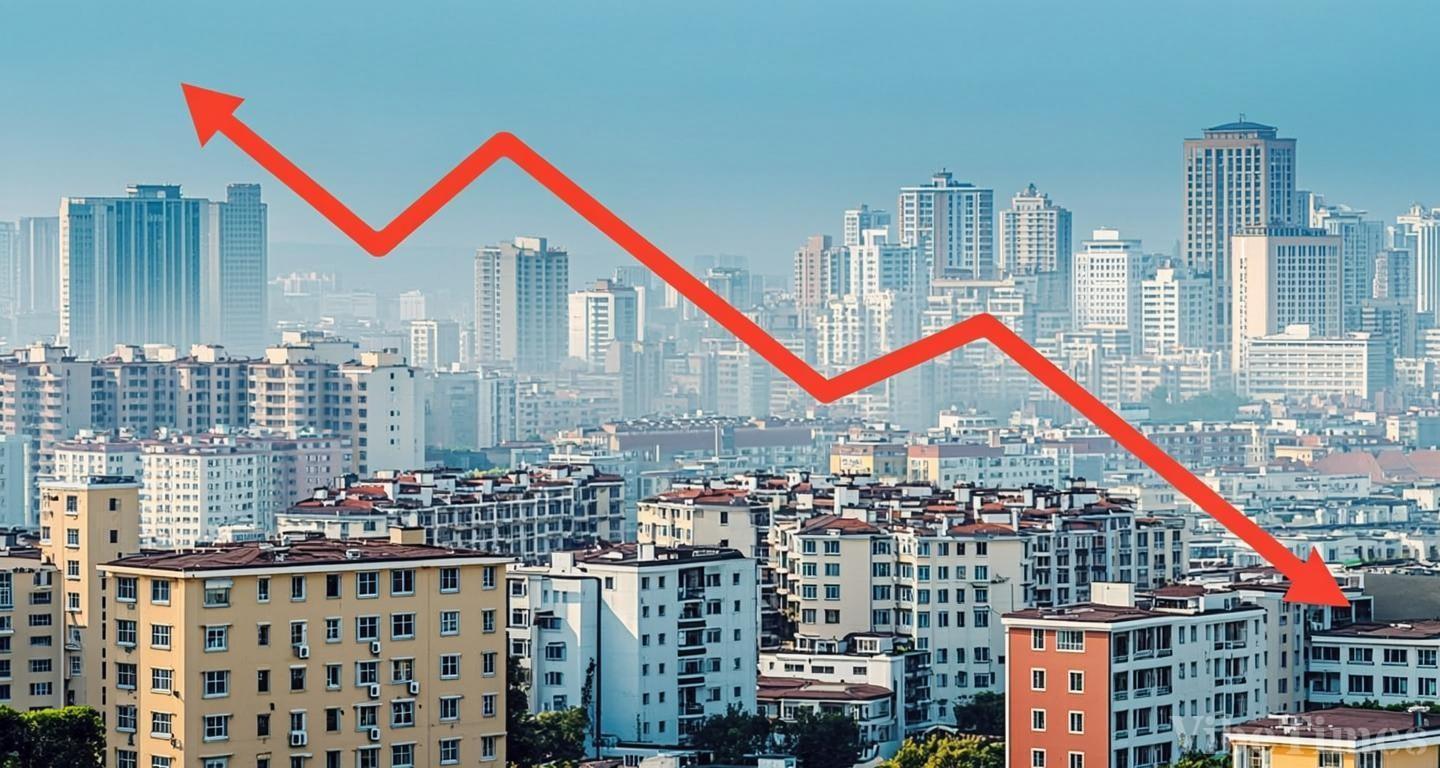
The government's real estate measures announced last year were somewhat effective in curbing speculation but failed to stabilize Seoul home prices. According to the real estate industry on the 13th, the government unveiled a housing market stabilization plan on October 15 last year, designating all of Seoul and 12 areas in Gyeonggi Province as regulated zones, speculation-overheated districts, and land transaction permit zones. The core of the plan was to impose a two-year residency requirement on apartment purchases within permit zones to limit gap investing (home purchases financed with jeonse deposits) and to apply differentiated mortgage loan limits of up to 200–600 million won depending on home prices.
The anti-speculation effect is visible in the numbers. According to an analysis by the office of Rep. Kang Deuk-gu of the Democratic Party on the National Assembly's Land, Infrastructure and Transport Committee, suspected gap-investing transactions in Seoul fell from 7,579 in the year before the measures to 2,442 in the roughly 11 months after. Kim Hyo-sun, senior real estate researcher at KB Kookmin Bank, assessed that "the expanded designation of land transaction permit zones effectively blocked gap investing" and "temporarily slowed the sharp price gains that had been spreading in preferred areas."
However, prices remained far from stable. According to the Korea Real Estate Board's weekly apartment price statistics, Seoul apartment prices in the first week of October (as of the 5th) rose 0.12% from the previous week. Seoul apartment prices have now risen for 87 consecutive weeks, the longest streak since the statistics began. That prices kept climbing even as transactions shrank highlights the limits of regulation-driven demand suppression.
Some analysts say demand did not disappear but simply shifted. Shim Hyeong-seok, a specialist at law firm Joyul, said, "Ultra-short-term investment and gap-investing demand and overheated sentiment have calmed, but a balloon effect has emerged, driving up mid- to lower-priced homes in districts such as Nowon, Dobong, and Gangbuk." Ham Yeong-jin, head of Woori Bank's Real Estate Research Lab, also explained, "In the Gangnam area, price burdens and lending regulations slowed the upward trend, but demand moved to relatively cheaper outer Seoul and parts of Gyeonggi Province."
The higher barriers to entry for genuine homebuyers are also cited as a side effect. Lee Eun-hyung, a research fellow at the Construction Industry Policy Research Institute of Korea, pointed out, "Setting uniform loan limits regardless of borrowers' repayment capacity was an excessive measure." Researcher Kim Hyo-sun also analyzed, "It acted as a greater constraint on those with high loan dependence—such as households without homes or seeking to upgrade—than on buyers with strong cash resources."
Shim Hyeong-seok of law firm Joyul said, "The land transaction permit zones need to be lifted or reduced to the neighborhood level," adding that "regulations should be refined to fit demand conditions and local circumstances." Researcher Kim Hyo-sun added, "Access to credit for genuine homebuyers should be improved while easing bottlenecks in securing relocation and project costs for redevelopment." Lab head Ham Yeong-jin emphasized, "It is important to connect supply plans to actual move-in volumes and secure policies that expand rental housing stock."