Monthly Food Costs Differ by 300,000 Won Between Delivery and Cooking at Home

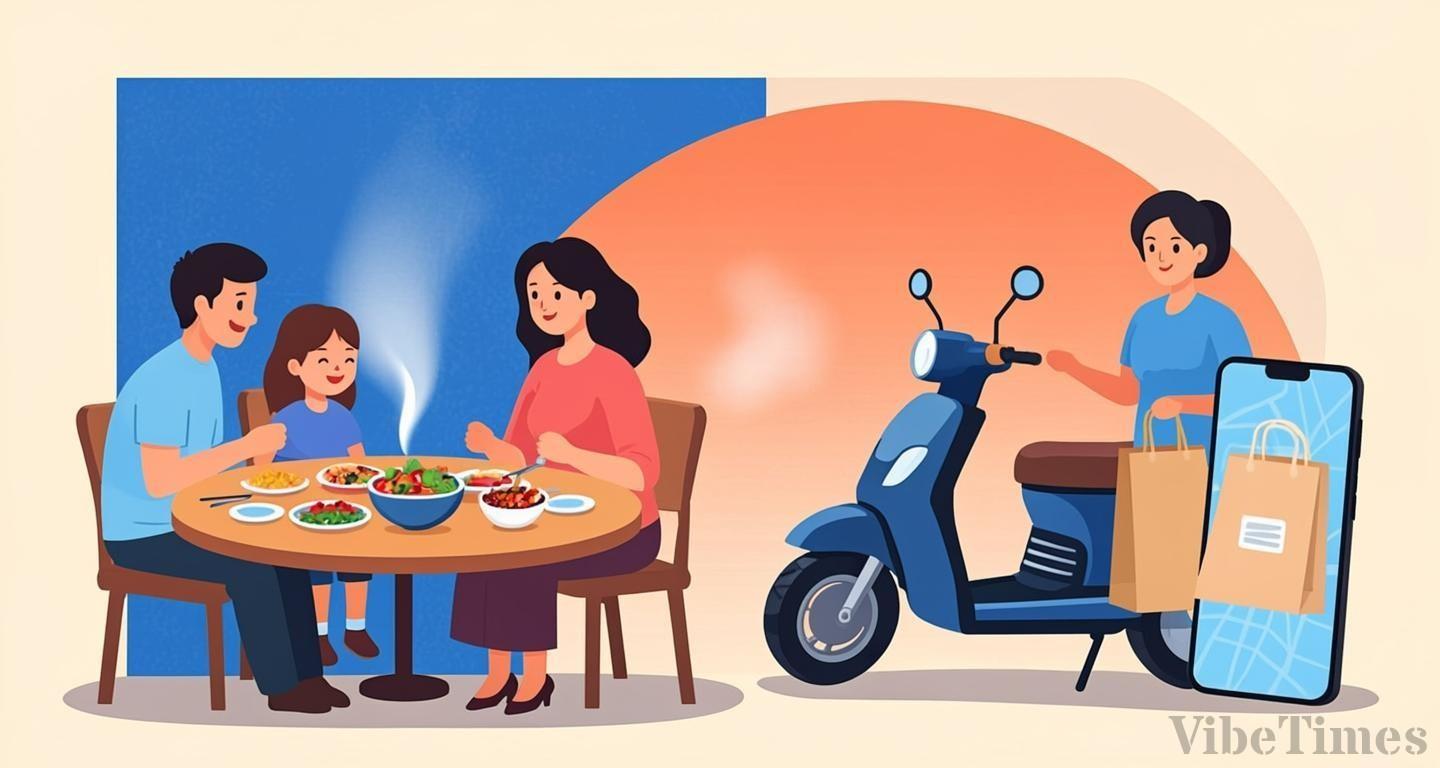
Monthly food expenses for single-person households that rely on delivery every day and those that cook for themselves can differ by as much as 300,000 won.
According to Statistics Korea's Population and Housing Census, single-person households account for about 35% of all households in South Korea, roughly 7.5 million. In large cities such as Seoul, the figure exceeds 40%. Looking at their spending patterns, how they get their meals proves to be the decisive variable that splits monthly food costs between the 150,000-won and 450,000-won ranges. Based on estimated figures for 2024 through early 2025, a period of continued inflation, this article examines spending gaps by meal type and money-saving strategies.
7.5 Million Single-Person Households: Their Spending Patterns Differ From the Start
Half of Food Spending Goes to Dining Out and Delivery
According to Statistics Korea's Household Income and Expenditure Survey, single-person households spend about 180,000–220,000 won per month on groceries and non-alcoholic beverages, and about 200,000–250,000 won on dining out and accommodations. Actual spending is estimated to have risen even higher due to inflation. In other words, more than half of their money goes not to home-cooked meals but to dining out, delivery, and convenience foods.
Since the COVID-19 pandemic, delivery apps have become part of everyday life, entrenching a consumption pattern of replacing the hassle of cooking with takeout and convenience meals. Consumer and home economics experts point out that repeated small payments on delivery apps dull the sense of spending, making overspending likely.
Monthly Food Costs by Meal Type: Up to a Threefold Difference
All Delivery: 360,000–450,000 Won per Month
Delivery food averages 10,000–15,000 won per meal, plus 2,000–5,000 won in delivery fees and tips. Assuming all three daily meals are ordered in, that adds up to 12,000–15,000 won a day, or 360,000–450,000 won a month. Beyond the cost of the food itself, per-order delivery fees of around 2,000 won and platform commissions (10–30% of the food price) are the key drivers of accumulating spending.
Dining Out and Convenience Meals: 300,000–390,000 Won per Month
A mix of company cafeterias and convenience store lunch boxes comes to 10,000–13,000 won a day, or 300,000–390,000 won a month. That saves about 60,000 won a month compared with delivery, but is still double the cost of home cooking. Convenience store meals at 5,000–7,000 won and meal kits at 6,000–9,000 won clearly lower the per-meal cost.
Cooking at Home: Down to the 150,000-Won Range
Even including grocery shopping and gas bills, ingredients for home cooking run only 2,500–5,000 won per meal. That works out to 5,000–7,000 won daily and 150,000–210,000 won monthly—150,000 to 250,000 won less than ordering everything in. Weekly ingredient costs stay around 40,000–50,000 won: 30,000–40,000 won for a month's supply of 5 kg of rice, 9,000–11,000 won for 30 eggs, and 20,000–30,000 won per week for tofu, vegetables, and meat. However, one must factor in initial costs of 30,000–50,000 won for cookware, airtight containers, and the like, plus the time cost of 40–60 minutes per meal for prep and cleanup.
Clearance Discounts and Apps: Cutting Delivery Spending in Half
Full Price vs. End-of-Day Clearance Pickup
Even the same convenience store lunch box varies greatly in price between full price and end-of-day clearance pickup. Products normally priced at 6,000–8,000 won can be picked up for around 3,000 won at clearance sales. Simply making a habit of checking nearby stores' clearance items on an app on the commute home can save tens of thousands of won a month. Choosing in-store pickup over delivery alone eliminates delivery fees, saving 10–20%.
Using Coupons and Subscriptions Strategically
Delivery app membership perks such as free delivery and new-user discount coupons can reduce delivery costs. However, discounts can encourage more frequent ordering and paradoxically increase total spending, so it is safer to set a monthly limit. Traditional markets are often 10–30% cheaper than online stores, making them advantageous for managing ingredient costs.
A 300,000-Won Monthly Difference Means 3.6 Million Won a Year
The Annualized Effect of Savings
A monthly food-cost difference of 300,000 won amounts to 3.6 million won a year. Simply switching from all-delivery to a mixed approach can save 150,000 won a month, or 1.8 million won a year. Placing that into a savings account with 3% compound annual interest would build up roughly 9.7 million won after five years. The choice of how to eat effectively determines how quickly you build wealth.
A Realistic Compromise: 60–70% Home Cooking + 30–40% Delivery
A drastic overhaul can backfire, triggering stress-driven delivery binges. Weekend meal prep—cooking a week's worth of side dishes in one batch—can bring ingredient costs down to 3,000–4,000 won per meal. A hybrid approach that allows delivery two or three times a week strikes a realistic balance in the 240,000–270,000 won monthly range. To make the savings sustainable, keep meal-prepped food in the refrigerator for no more than 3–4 days, and reduce waste through bulk purchases such as frozen vegetables.