KEPCO chief Kim Dong-chul: 113 trillion won power grid funding should come through electricity rate hikes

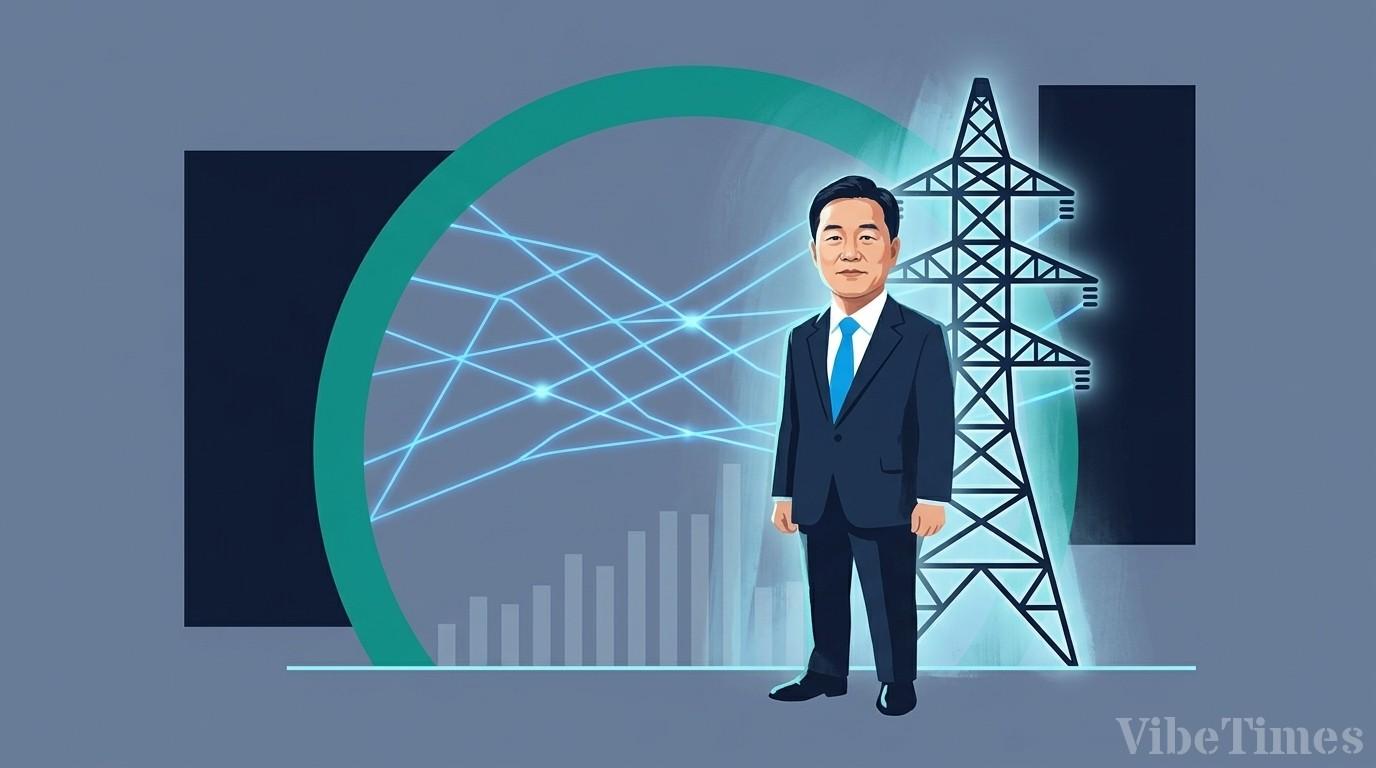
Korea Electric Power Corporation (KEPCO) President Kim Dong-chul said Monday at the National Assembly audit that a minimal electricity rate increase is necessary to secure the 113 trillion won needed for power grid expansion. Grid expansion involves building new transmission lines and substations and other facilities that carry electricity, and replacing aging infrastructure; whether rates rise affects the burden on households and businesses. "Since power grid investment is KEPCO's core business, relying on external borrowing is not right," Kim said, adding, "It is right for the public to bear part of the cost." He pointed out that "funding for grid construction should generally come from electricity sales revenue, but it has so far relied on external borrowing."
Kim also said, "I believe the system oversight currently handled by the Korea Power Exchange should be taken over by a power regulatory commission that more professionally monitors power system operation and the electricity market."
Behind the growing funding burden is a projected surge in power demand. According to the 11th Long-Term Transmission and Distribution Facility Plan, 113 trillion won is needed to expand transmission and distribution networks by 2038. Demand forecasts have also been revised upward due to the impact of AI data centers and the semiconductor industry. In August, the master planning committee for the 12th Basic Power Supply and Demand Plan projected peak power demand in 2040 at 165 gigawatts (GW), up 27GW from the previous interim estimate.
Earlier, KEPCO's request for Samsung Electronics and SK hynix to prepay 25 trillion won in electricity bills fell through after the companies refused. The special provision expanding KEPCO's bond issuance ceiling also expires at the end of next year. Once the provision lapses, the issuance limit will in principle shrink to twice the sum of the company's capital and reserves. Kim said, "We are set to receive 500 billion won in government financial support next year, and we are also considering self-help efforts and ordinary borrowing," but added, "Ultimately, the funding needed for power grid construction must be secured through public contributions."
Regarding concerns that the rate hike could be steep, Kim said the increase would be limited. "Korea's electricity rate structure is transparent," he explained. "Rates will be set at a level that covers power generation costs, and will not be enough to undermine the competitiveness of households or businesses."
