October 19 Crowdfunding Report: Nauhome Vacuum Cleaner Tops at 18.75 Million Won

On Wadiz crowdfunding, a cordless vacuum cleaner equipped with a Samsung battery claimed the top spot, raising 18.75 million won.
Based on public data, a total of 80 crowdfunding projects were recently recorded, involving 66 companies. Nauhome Co.'s 550W auto-dust-emptying cordless vacuum cleaner posted the highest single-project figure at 18.75 million won in backing, followed by Ongwa's King Peach (15.7 million won) and iQBox's Playmobil space collaboration (15.58 million won). With funding gaps of hundreds of times between the top and bottom of the rankings, a polarized structure is clear, with consumer choices concentrating on specific products.
Budget Gadgets and Summer Seasonal Items Fill the Lower Ranks
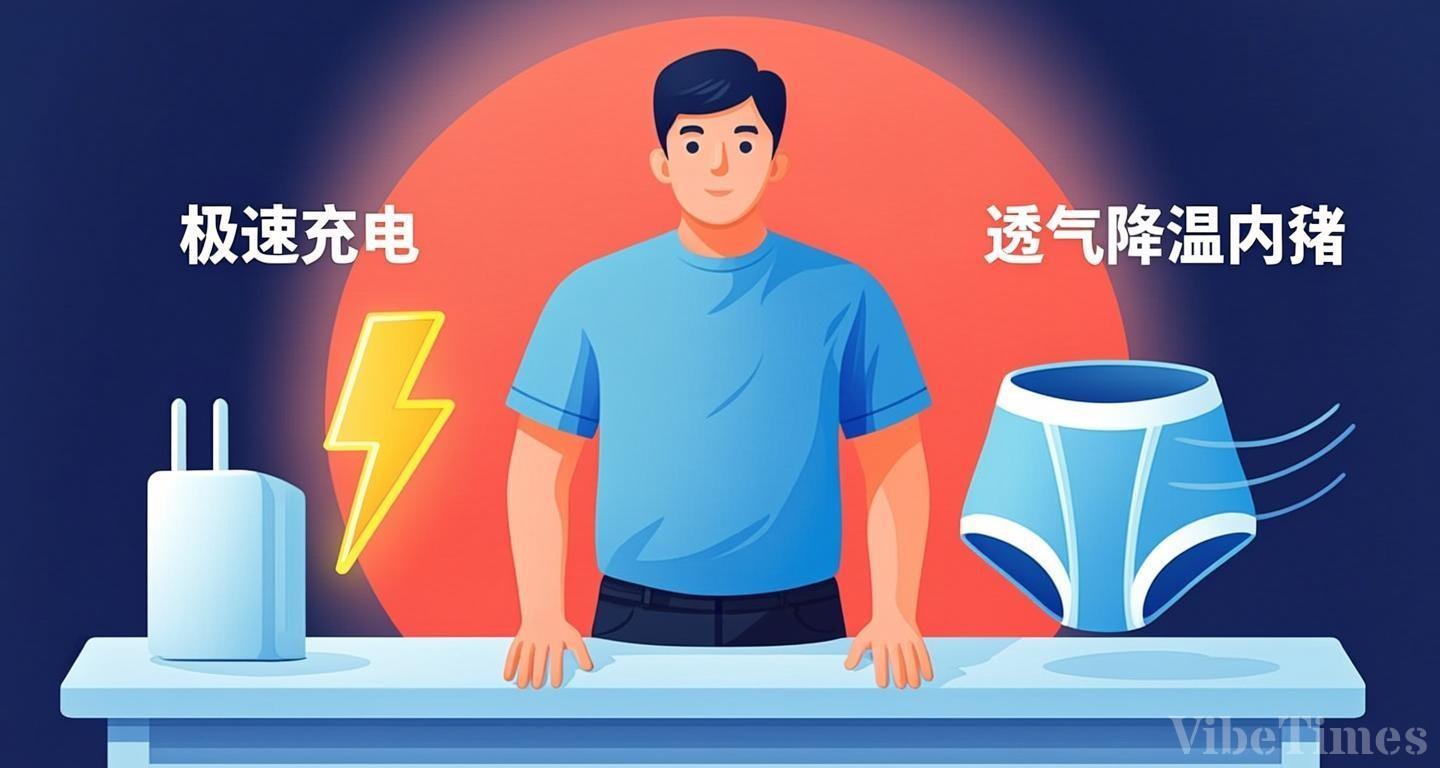
The lower end of the funding table was dominated by budget products priced in the 10,000-won range. SMS Co.'s portable fast charger raised just 73,800 won, while the same company's ultra-light compression pouch (around 360,000 won) and mini cooling fan (around 140,000 won) also stayed in the tens of thousands of won. LOOK AT ME's cooling underwear (490,000 won) and silicone body shower pad (500,000 won) posted similar figures.
A low funding total does not necessarily mean failure. Cheap consumables and seasonal products compete on volume rather than average transaction value. Indeed, SMS launched five projects in a row across categories such as chargers, pouches, and fans, while LOOK AT ME ran four, pursuing a wide-variety, small-batch strategy. On the other hand, Troiki's anti-theft sling bag (2.92 million won) is an example of a single hit product crossing the million-won mark, showing that companies clearly stand at strategic crossroads.
Food, AI, and Knowledge Content: Mixed Report Cards by Category
Looking at category trends, the power of agricultural and food products stood out. Led by Ongwa's King Peach at 15.7 million won, food projects took up a large share overall, including Fruit Meister's new grape variety Purple Lady (1.33 million won) and Apple Summer King (920,000 won), Yu Hyeong-gon's Charcuterie (870,000 won), and Green Pick's peach and plum pies (410,000 won). Limited-edition fruits marketed on scarcity clearly pushed consumers to hit the payment button.
AI tools also emerged as a new axis. Sokon's AI shorts content production raised 3.8 million won, and Algorixm's AI monetization system for non-developers collected 1.79 million won. Several products, such as Sungsatool's AI short-form maker, emphasized the ability to create short videos without editing knowledge. Knowledge content also performed well: The Abyss Library's tarot and numerology textbooks raised 1.62 million won and 2.97 million won respectively, while Audiobooks' dharma talk audiobook climbed to 4.58 million won, proving that the base for content funding is not thin.
Encore and Renewal: A Trust Economy Built by Repeat Funding
A pattern that stands out in the data is the "encore" (reopening) label. People Korea is running products that have been funded more than twenty times, unveiling a 25th-encore polishing towel and a 22nd-encore hair towel. Jeong Eye Ware, likewise, is a representative example of building trust through platform-exclusive and Korean-made titanium messaging. This shows that crowdfunding is evolving from a one-off purchase channel into a gateway for building brand loyalty.
By price range, the distribution was wide, from a mechanical keyboard in the 40,000-won range (Gclicker, 1.93 million won) to an 18,900-won running full set (RunnerFit, 8.96 million won). The RunnerFit case in particular shows that a low price can instead translate into an explosive number of backers. Troiki's massager (1.53 million won) and NOVERSE's oversized T-shirt (320,000 won) can also be read as products that found their own price sweet spots.
Outlook: A Two-Horse Race Between Practical Appliances and AI Tools
As Robert Kennedy said, only ventures with the courage to fail greatly achieve great success. In this data as well, only a small minority of projects crossed the million-won threshold, while the majority tested market response in the tens of thousands of won. Crowdfunding is increasingly functioning as a validation tool.
Two trends are expected going forward. First, practical home appliances that leverage the name value of core components—like the performance of the Samsung battery-equipped cordless vacuum—will likely continue to lead the rankings. Second, AI content creation tools are expected to broaden their category by absorbing demand from non-developers and non-professionals. However, as encore funding repeats, it also narrows the room for new projects, so platform-level support policies for new creators are expected to be a decisive variable for the vitality of the backing market.