Defamation Probe Into Yoo Si-min Set to End With No Indictment

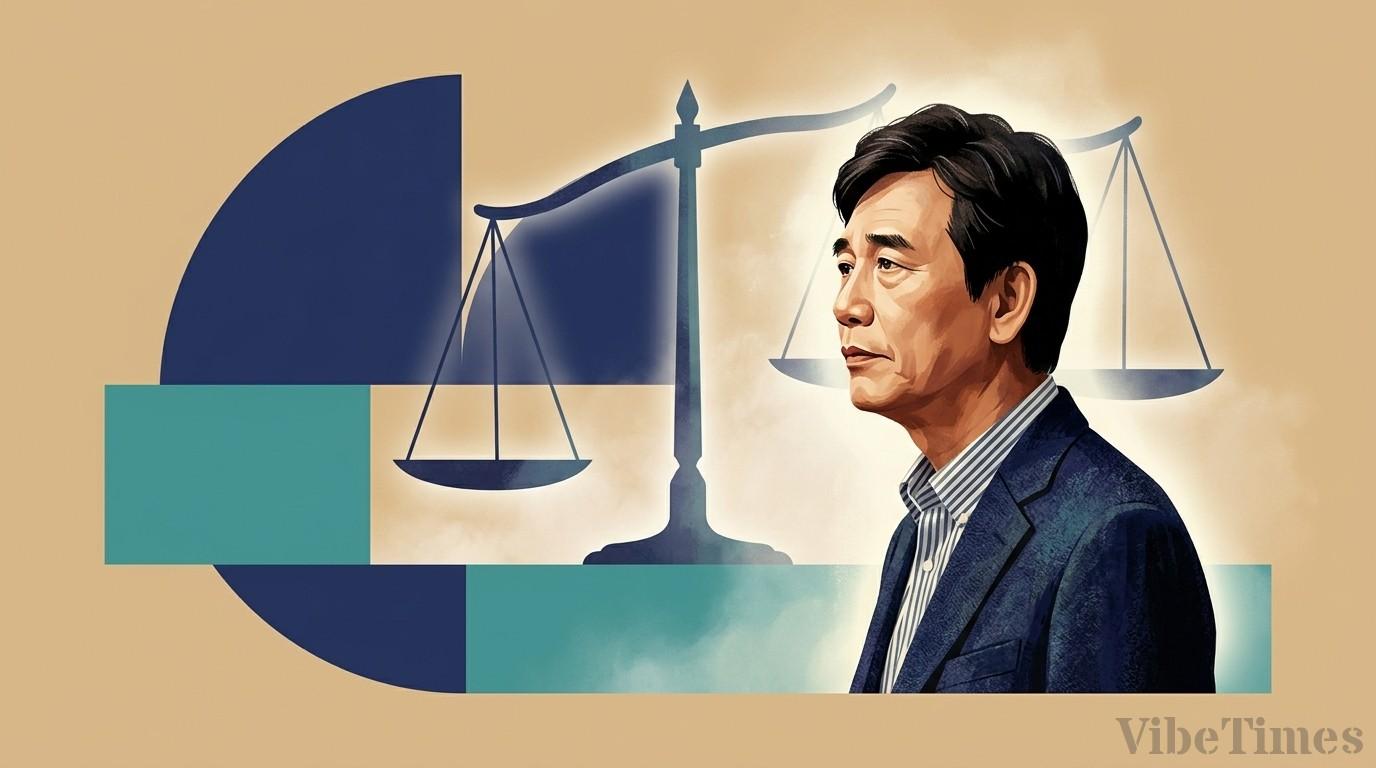
The defamation investigation into former lawmaker Yoo Si-min has effectively moved toward closure.
Police launched a defamation probe over Yoo's remark that "President Lee deceived the people" and even questioned the complainant, but with President Lee Jae-myung signaling that he has no intention of punishing Yoo, the victim's lack of interest in prosecution is expected to serve as grounds for closing the case. Defamation is an offense that cannot be indicted once the victim confirms they do not wish to press charges. However, the controversy over the head of the Corruption Investigation Office for High-ranking Officials (CIO) accompanying officers during the probe remains unresolved, separate from the case's dismissal.
President Calls Criticism "Unconstitutional Coercion"...Case Headed for Closure
Yoo has been a fierce critic of President Lee Jae-myung's prosecutorial reform plans, saying they "reek of a rotting fish market," and was recently accused of defamation over remarks suggesting the president had deceived the public. When police opened the investigation, opposition forces accused the administration of mobilizing law enforcement against critics of the government. President Lee rebutted claims surrounding the probe as "unconstitutional coercion" while making clear he had no intention of punishing Yoo. Legally, as long as the victim does not wish to press charges, police must close the case without indictment even if the allegations are substantiated — a natural consequence of the law.
Core Analysis: The Real Issue Is the CIO Chief's Neutrality
The essence of this matter is not whether the case is closed, but the process itself. At the heart of the controversy is the accusation that the CIO chief, who bears responsibility for directing the investigation, tilted toward a particular stance. As a newly created body tasked with investigating high-ranking officials by separating prosecutorial investigative authority, the CIO's credibility itself could be shaken if its political neutrality is questioned from the very outset. Given that Yoo has long criticized the prosecutorial reform bill itself as "rotting," launching an investigation against him could leave the impression that dissenting voices against the reform were being silenced through law enforcement. In fact, this intersects with calls for self-reflection within the Democratic Party itself over "a retreat from prosecutorial reform" amid the reshuffle of presidential aides, creating a structure where internal fractures in the reform camp overlap with the controversy over the investigative body's neutrality.
The president's repeated statements that he does not wish to punish Yoo are read as a calculated move to block the case from expanding. Yet even if the investigation ends in dismissal now that it has begun, the question of "why it started in the first place" remains. Police could defend themselves by noting that investigating once a complaint is filed is standard practice, but given the extraordinary nature of a case involving the president, it is hard to avoid criticism that procedural prudence was called for.
Political Fallout and Outlook
The People Power Party is highly likely to seize on this as an opportunity to attack the CIO. Already, the party has made the issue of dropping charges in cases involving President Lee a focal point of the Public Prosecution Service's parliamentary audit, and the closure of Yoo's case risks being cited as evidence of "investigations that serve the administration's convenience rather than impartial justice." The Democratic Party, for its part, is expected to counter that it was a rational closure reflecting the president's wish not to punish.
Since Yoo had kept his distance from the Lee Jae-myung administration ahead of the presidential election, it remains to be seen whether this closure will serve as justification for opposition unity or consolidation of rival camps. That said, with the president himself having stated he has no intention of punishment, the possibility of further legal escalation is low. The remaining task is institutional trust. For the CIO to overcome the political trials of its early days, transparent disclosure of its criteria for opening and closing investigations should be its top priority — even more than the closure of individual cases. The CIO chief's personnel decisions and directives are expected to face renewed scrutiny during the parliamentary audit and in the broader political landscape.
