A 1 Million Won Fine Is the Line That Decides Eligibility for Office... Oh Se-hoon's Appeal Ruling

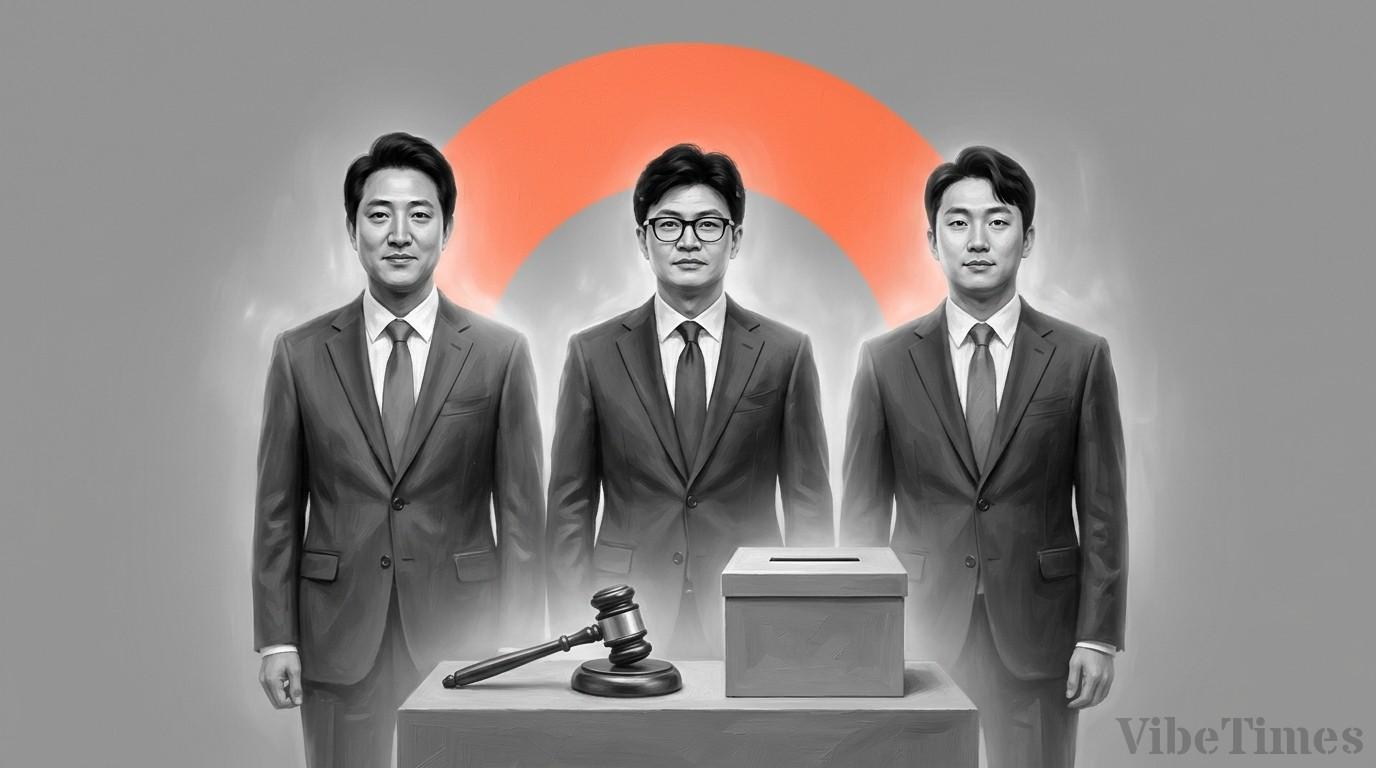
The appellate ruling in Seoul Mayor Oh Se-hoon's political funds law violation case will be handed down by the Seoul High Court's Criminal Division 7 at 2 p.m. on the 23rd. Depending on the verdict, Oh could lose his mayorship and his eligibility to run for office, and the outcome is expected to shake up the next presidential race for both ruling and opposition parties.
The crux of the legal issue is the 1 million won fine threshold. Under the political funds law, if a conviction for receiving illegal political funds with a fine of 1 million won or more is finalized, Oh would lose his post, be barred from holding or being appointed to public office for five years, and be stripped of the right to run for office. Conversely, if he is acquitted on appeal or the fine is reduced to below 1 million won, he can keep his mayoral seat.
Oh Se-hoon won a fifth term as Seoul mayor in the June 3 local elections and immediately topped a survey on preferred next presidential candidates. In a survey commissioned by OhmyNews from STI, conducted June 9-10 with 1,002 adults nationwide, Oh ranked first at 16.4%.
Within the People Power Party, there is hope that an acquittal would remove his legal risk and cement his standing as the conservative camp's leading presidential contender. If Oh drops out of the presidential race due to disqualification, attention would likely shift to other candidates such as independent lawmaker Han Duck-soo and PPP leader Jang Dong-hyuk. Political commentator Lee Jong-hoon said "the biggest beneficiary would be Rep. Han," predicting that Oh's support base would largely shift toward Han. The analysis suggests Han, who has courted centrist voters, could reap an indirect benefit.
The ruling could affect not only Oh Se-hoon's own political future but also the conservative presidential race, the 2028 general election, and the broader presidential landscape. Under the special counsel law's "6-3-3 rule," the Supreme Court would also in principle have to rule within three months, meaning if prosecutors appeal, a final conclusion would come around January of next year.