How to Start Harness Training Your Cat

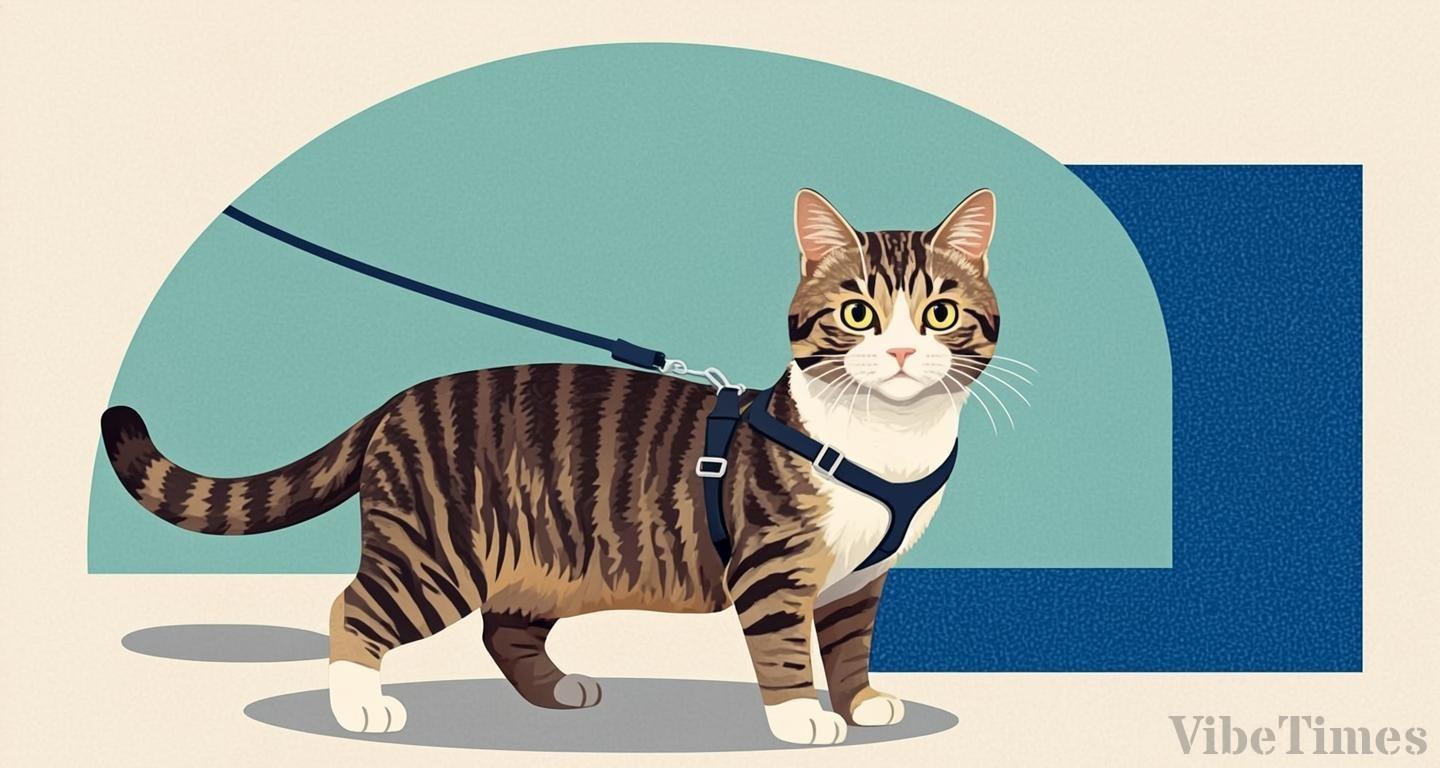
A harness walk is not about 'making your cat walk'—it's about 'giving a choice to cats who want to go outside.'
With obesity rates among indoor cats estimated at over 50%, outdoor excursions on a harness are presented as an alternative that offers two benefits: increased activity and emotional enrichment. However, veterinarians and behavior specialists alike stress that not every cat wants to go outside, and that assessing suitability should come before training. Here is a rundown of step-by-step adaptation training and safety guidelines.
Why Consider Harness Walking
Two Benefits: Weight Management and Stress Relief
Indoor cats have limited space to move, making them prone to obesity. The estimated obesity rate exceeding 50% is a telling indicator of the severity of the problem. Going outdoors naturally increases activity levels, helping with weight control.
The emotional benefits are also significant. New smells, sounds, and visual stimuli help relieve stress accumulated indoors. It can also reduce problem behaviors such as excessive grooming or scratching furniture.
Cats That Are Suitable—and Those That Aren't
A five-minute self-assessment is needed before starting. Cats that show curiosity rather than excessive hiding in unfamiliar environments, or that readily follow a person's hand or toys, are good candidates for training. Age is also a factor: from three months to under one year is the period of peak learning efficiency.
Conversely, cats that are extremely startled by sounds and hide, or that stay wary of new objects for half a day or more, should be assessed carefully. Senior cats and those with heart or respiratory conditions must consult a veterinarian before training.
The Key to Choosing a Harness: Escape Prevention
H-Style and Vest Styles; Never Use a Collar Alone
H-style harnesses are the most recommended, as they pose less risk of choking and are hard to slip out of. Vest styles distribute pressure across the body, providing psychological comfort, but they have drawbacks: they are heavy and offer poor ventilation in summer. A collar alone should be avoided due to high risks of escape and neck injury.
When fitted properly, there should be enough room for two fingers between the harness and the body. Products with zippers or velcro locks are better at preventing escape; also check for reflective materials or bells. Start with a thin, lightweight leash of 1–2 meters.
Four-Step Adaptation Training: From Indoors to Outdoors
Weeks 1–2: Building Positive Associations with the Harness
First, place the harness somewhere visible in the house and let your cat sniff it. Create positive associations by placing treats on top of the harness, and help your cat get used to unfamiliar stimuli such as the sound of velcro tearing. This process alone can take one to five days.
Start wearing practice sessions short. At first, have your cat wear it for just one or two minutes and immediately offer a treat, once or twice a day alongside enjoyable activities like play. Rolling on the floor or freezing right after being harnessed is normal—do not force movement. If your cat seems depressed or completely immobile while wearing it, try switching to a different harness style.
Indoor Walks with the Leash, Then the Front Door
During weeks 2–4, attach the leash and let your cat walk freely around the house. Do not pull the leash—follow your cat's lead instead. Gradually expanding the space to windowsills or balconies also builds tolerance to external stimuli.
The next step is to open the front door and sit with your cat so it can take in outdoor sounds and smells. Going outdoors via a quiet hallway or stairwell greatly reduces the chance of startling your cat with sudden stimuli.
First Outing: Five Minutes, Early Morning Quiet Hours
Keep the first outdoor outing to five minutes or less, starting right outside your home. Early morning, when there are few people and cars, is recommended. The key is to let your cat decide whether to walk or sit and observe. Unlike dogs, cats lead their own walks—at first, simply standing in one place sniffing for a long time is enough.
Common Training Mistakes and Essential Safety Rules
Forcing and Comparing Backfire—Alternatives Exist
It's the cat, not the owner, who sets the pace of training. Rushing can make your cat fear the harness itself, forcing you to start over. Total training time varies widely—typically two weeks to two months—and taking longer is still within the normal range.
If your cat refuses to go outside despite your efforts, it's wiser to pivot to indoor environmental enrichment. Cat towers, window hammocks, toy rotation, and puzzle feeders can supplement stimulation, and cat strollers or carrier backpacks are alternatives that allow outdoor exposure without the burden of a harness.
Pre- and Post-Outing Checklist
Before going out, confirm that rabies and core vaccinations are complete, along with heartworm and parasite prevention. Always keep the leash wrapped around your hand—never let go—and return indoors immediately if dogs, cars, or motorcycles approach. Skip outings during heat waves, cold snaps, or rain, and avoid contact with other animals due to risks of disease transmission and fights.
If your cat pants or hides during the outing, head home immediately. A walk is only complete after post-outing care, such as checking paws and fur for debris.