Rep. Boo Seung-chan Acquitted in First Trial Over Military Secret Leak Charges

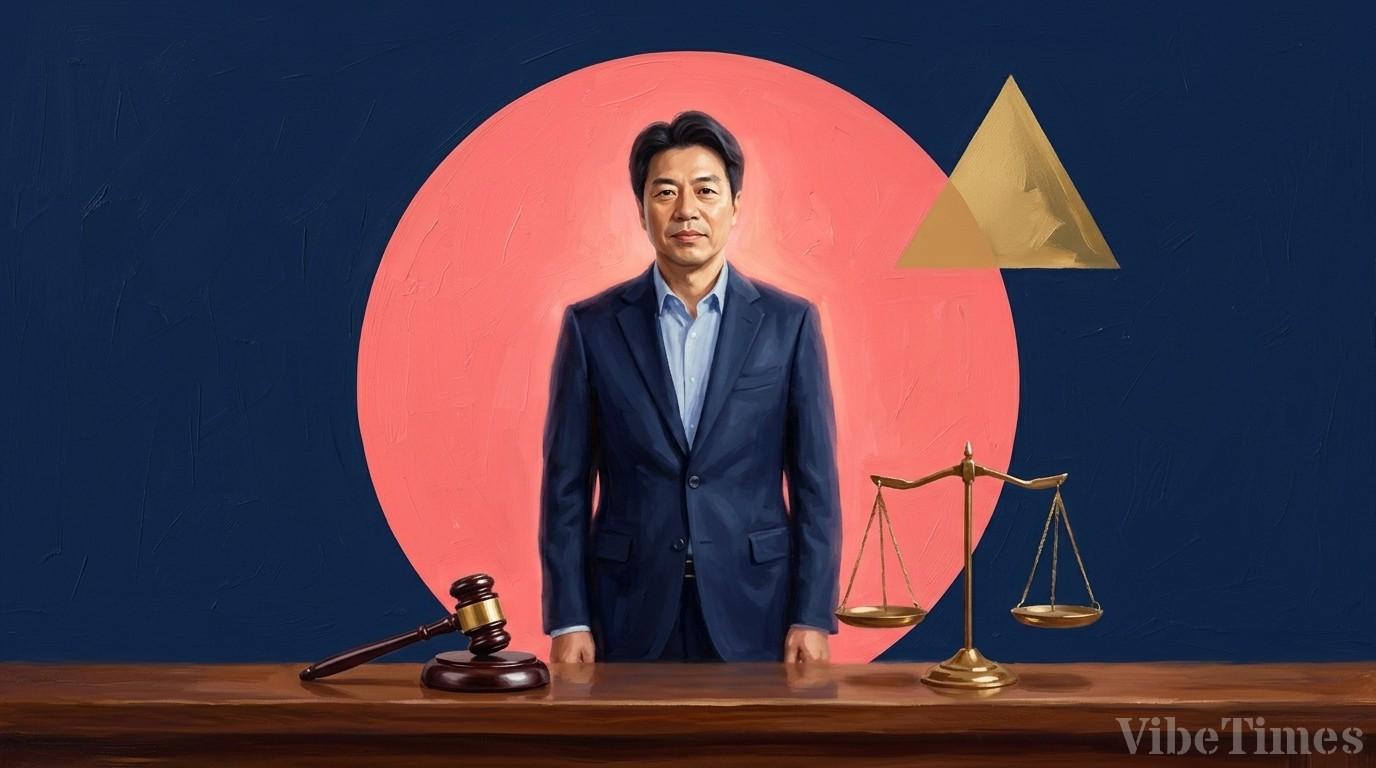
Military Court Acquits Rep. Boo Seung-chan of Military Secret Leak Charges
A military court has acquitted Democratic Party of Korea Rep. Boo Seung-chan in the first trial on charges of leaking military secrets. Rep. Boo has served as a member of the special parliamentary committee investigating obstruction of the probe into the death of a Marine sergeant and alleged cover-up of the case. The verdict is interpreted to mean that the elements of the charged offense were not established. It appears the prosecution and military prosecutors found it difficult to prove the classified nature of the materials and the fact of leakage based solely on the evidence they presented.
Background and Key Issues of the Case
The case has its roots in the conflict surrounding the investigation into the death of Cpl. Chae, a Marine who died on duty. Allegations of external interference in the investigation surfaced at the time, and tensions between the ruling and opposition parties intensified when a parliamentary investigation was launched. Rep. Boo played a central role on the special investigative committee, and the way he handled materials obtained during the process became an issue. Investigators applied the leak charges, claiming that some of the materials constituted military secrets. However, whether investigation-related materials, rather than information about defense procurement or operations, could be classified as secrets became a key legal question.
The Military Secrecy Protection Act covers information that significantly affects military interests and national security. The question is who determines that scope and by what standards. The first-trial court is analyzed to have judged that the materials presented were not as serious as the charges suggested. The ruling could also be read as a form of judicial check on the practice of slapping secrecy labels on materials without a clear classification procedure.
Political Fallout and Partisan Clashes
The acquittal is a result that bolsters the ruling camp. Rep. Boo's side has claimed from the outset that the investigation was politically motivated. The verdict provides legal support, at least at the first-trial level, for that claim. The opposition, however, is unlikely to accept the ruling. If prosecutors appeal, the dispute will continue in the second trial. Debate over the structure of the military court system itself is also expected to resurface.
Herbert Hoover once said that freedom dies not from frontal attack, but when those in power no longer believe in a system based on freedom. This is why critics point out that the abuse of classification is another pathway eroding that trust.
Outlook and Implications
The appeals court will once again weigh whether the charges can be proven. If the acquittal is upheld, Rep. Boo will return to legislative work without restrictions, and the legitimacy of the special investigative committee's activities will also be strengthened. If the verdict is reversed to guilty, the situation will move in the opposite direction. Notably, the ruling comes at a time when major judicial decisions, including the appeals trial of Seoul Mayor Oh Se-hoon, are overlapping. The judiciary's judgments are having an increasingly large impact on the next political landscape.
Above all, the ruling leaves behind a more fundamental question: where should the line be drawn between the public's right to know and the need to safeguard security secrets? The first trial effectively answered that the line must be drawn according to strict legal requirements, not the convenience of investigative authorities. Whether that standard holds in the second trial or wavers once again will be the next point to watch.