Lee Yong-chul was jointly retained with Lee Jae-myung in seven cases

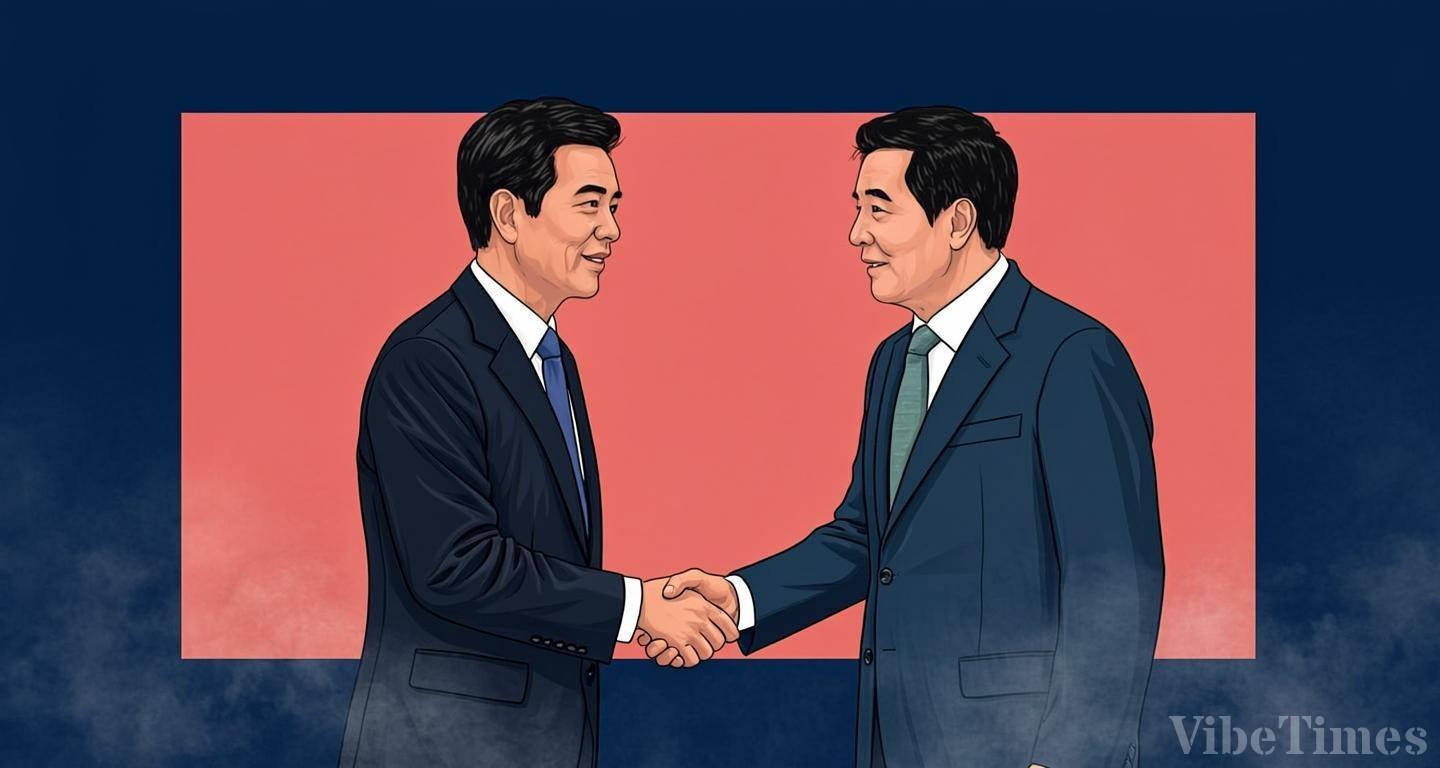
The justice minister nominee was once the president's lawyer.
It has been confirmed ahead of his confirmation hearing that Lee Yong-chul, the nominee for justice minister, was jointly retained with President Lee Jae-myung in the past in six civil cases and one administrative case. Joint retention is a common practice in the legal market, but the prospect of a political firestorm has been raised given that the professional history of the person set to head the Justice Ministry overlaps with the president's. The opposition now has grounds to question the relationship between the two men, and the hearing is likely to turn from a vetting exercise into a battlefield of partisan sparring.
What the seven joint cases mean
The numbers themselves—six civil cases and one administrative case—are the crux. A one-off engagement could be explained away as coincidence, but a repeated working relationship spanning seven cases shows the two were professional partners who had built mutual trust. That such a figure has been nominated to a post that oversees prosecutors' investigations and court proceedings makes ensuring impartiality an essential task.
Several trials involving President Lee are still ongoing. The 12 cases targeted by the special counsel legislation on falsified indictments include those tied to the president, such as the Daejang-dong development corruption allegations and the Ssangbangwool remittances to North Korea. The People Power Party has gone so far as to denounce the law as a "Lee Jae-myung jailbreak act," arguing the special counsel's findings could serve as grounds for withdrawing indictments in his trials. Against this backdrop, the nominee's past client history is not merely a career matter—it becomes fodder for suspicions that prosecutorial power could be wielded to benefit a particular individual.
The opposition's offensive and the ruling camp's line of defense
Lee Yong-chul has already avoided direct answers on questions of withdrawing indictments. He notably put off a direct response on whether he would cancel prosecutions, saying "establishing the facts comes before directing investigations." For the opposition, it is easy to construct the argument that, coupled with his history of joint retention with the president, the nominee could make decisions after taking office that influence the existing trials.
The ruling party's defense is straightforward: a lawyer's representation work is simply the performance of a profession, and questioning his impartiality on the basis of joint retention alone is unfair. Still, considering that Han Byung-do, floor leader and acting head of the president's party, has stressed the full abolition of prosecutors' supplementary investigation powers as the starting point of prosecutorial reform, the justice minister appointment also carries the character of completing that reform agenda. Both parties are expected to use the hearing not as a simple personnel vetting but as a proxy battle over the direction of prosecutorial reform.
Outlook after the hearing
Variables beyond his client history loom over the confirmation process. With successive reports of alleged conflicts of interest surrounding Lee Yong-chul and past controversy over claims related to the May 18 compensation fund, scrutiny is likely to continue on multiple fronts. Even if the joint retention cases are cleared at the hearing as standard engagements with no legal impropriety, public opinion could complicate the appointment approval process if sentiment remains unfavorable.
One notable development is that lawmakers from both parties on the legislation committee joined hands ahead of the hearing despite the partisan standoff. If they reach agreement on a proper vetting process, the hearing could proceed without a breakdown. Yet it is hard to deny that if the battle lines over the special counsel law and the withdrawal of indictments come to engulf the entire hearing, the justice minister appointment itself could become a variable that hobbles the early stages of governing. Ultimately, the fate of this appointment may hinge not on the substance of his client history, but on how persuasively the nominee dispels doubts about his impartiality at the hearing.
