November 19 Legislative Report: 10-Year Ban on College Entrance Exam Eligibility for AI Cheating

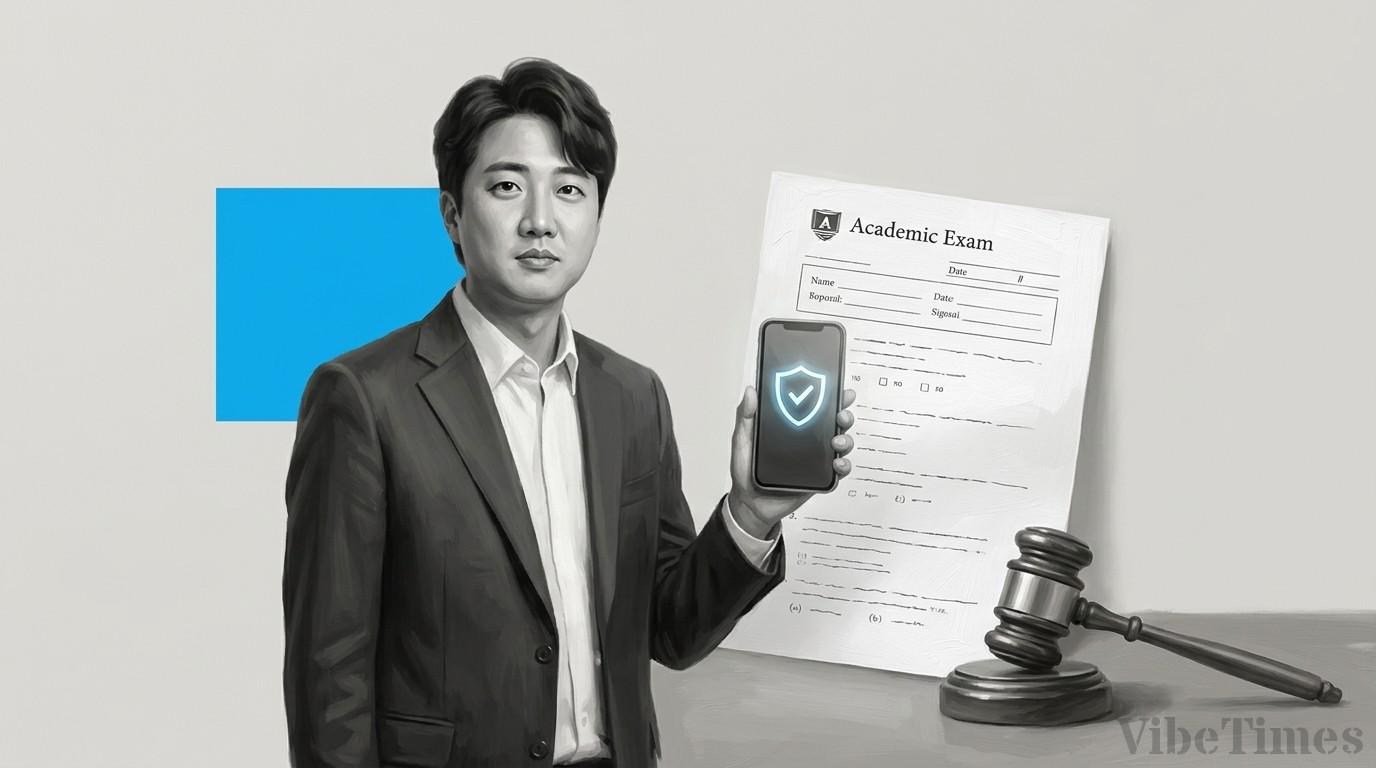
Bills imposing a 10-year ban on taking the college entrance exam for AI-based cheating were rushed out by both ruling and opposition parties within a single day.
With the College Scholastic Ability Test (CSAT) just one day away, the political establishment threw its full weight behind legislation to block cheating using artificial intelligence (AI). According to Yonhap News, the Democratic Party introduced a bill on the 18th, the day before the CSAT, that would drastically strengthen penalties for cheating using AI and other tools. The core provision would extend the eligibility ban from the current one year to up to 10 years, and the party plans to push for retroactive application starting with this year's exam.
Lee Jun-seok Personally Develops "Empty Classroom Radio Wave Detection App"
Lee Jun-seok of the Reform Party also put forward his own countermeasure. In a statement from the party's Gyeonggi Province chapter, Lee proposed technical anti-cheating measures such as installing radio wave detection apps in empty classrooms before the exam, and called for postponing the CSAT and preparing fundamental solutions. The app he presented is said to work on the principle used to detect radio waves aboard airplanes. Lee suggested the Ministry of Education conduct field verification, while also raising plans to strengthen physical oversight, such as allowing Board of Audit and Inspection staff to enter exam rooms. It is unusual for a politician to personally develop an app and present it as a policy alternative.
Rival Bills From Both Parties; PPP Proposes Radio Wave Blocking
The People Power Party joined in as well. Park Jeong-hoon, a member of the National Assembly's Education Committee, introduced a bill the same day to block radio waves in exam rooms and prevent AI cheating. Though the parties differ in method, they share the same direction of "fighting technology with technology." The party leadership also decided to legislate sanctions such as university expulsion for enrolled students caught cheating with AI, expanding the scope of punishment beyond CSAT eligibility restrictions to students' academic standing. The push for stricter legislation stems from criticism that the current system is relatively lenient toward electronic device cheating.
Retroactive Application Remains a Contested Issue
The sticking point is retroactive application. The plan to apply the 10-year eligibility ban starting with this year's exam could clash with the principle of non-retroactivity of punishment, sparking legal controversy. The National Assembly must weigh the urgent need to respond to new forms of technology-driven crime against legal stability. The radio wave detection app also faces calls for prior field verification, given concerns about malfunctions and privacy issues.
Tug-of-War Between Legislative Speed and Effectiveness
Experts commonly diagnose that AI cheating is difficult to stop without an overhaul of the entire exam management system. Lee Jun-seok's technical proposal, the Democratic Party's harsher penalties, and the People Power Party's radio wave blocking bill each target different points: oversight, punishment, and blocking. If the three approaches converge into a single bill, effectiveness would grow, but if both parties stop at rival submissions, passage could be delayed, potentially leaving a gap until the next CSAT. As the old adage goes, technology is merely a tool — and ultimately, the institutional design controlling that tool will determine the success or failure of this legislation.
