Most-Favored-Nation Status for K-Content to Become a New Foundation for Korea-China Relations

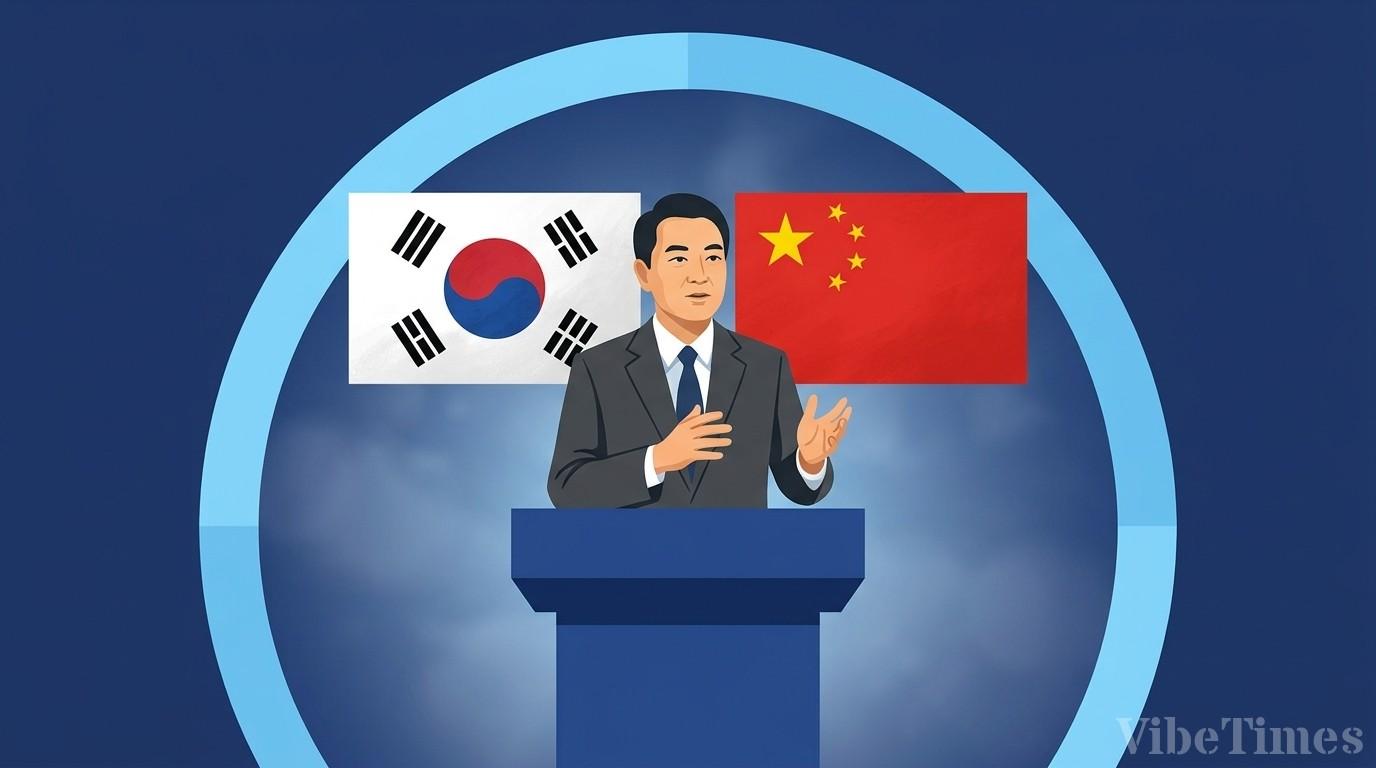
President Lee Jae-myung said on the 18th (local time) that Korea's content receiving most-favored-nation status from China for the first time "will serve as a foundation not only for the full and substantive restoration of Korea-China relations but also for building a new future." The move came after the substantive conclusion of follow-up negotiations on services and investment under the Korea-China Free Trade Agreement (FTA) was declared at the Korea-China summit held at Chi Lin Cottage in Shenzhen, China, on the occasion of the APEC summit. The negotiations, which began in March 2018, bore fruit after eight years and eight months, and this summit marked the third meeting between the two countries' leaders, following Gyeongju in November last year and Beijing in January this year.
With the conclusion of the negotiations, Korean online games, films, and other content will receive most-favored-nation treatment based on the principle of non-discrimination in China's government pre-review process. This is the first time China has granted most-favored-nation status to Korean content. The scope of Korea-China co-productions has also been expanded from films to dramas, animation, variety shows, and documentaries.
The agreement also includes expanded opening in the services and investment sectors. Korean travel agencies established in 23 regions across China will now be able to arrange overseas travel locally, and opening in the legal, distribution, construction, and financial sectors will also be broadened. However, K-pop performances remain subject to individual approvals, and the agreement contains no provision obligating either country to permit performances by artists from the other.
On X (formerly Twitter) the same day, President Lee shared news of the negotiations' conclusion, saying, "Thank you to the public officials who played a major role in the negotiations," and asked the public to encourage the officials at the Ministry of Foreign Affairs, Ministry of Culture, Sports and Tourism, Ministry of Trade, Industry and Energy, and the National Security Office and Policy Office of the presidential office.
With most-favored-nation status now applied to Korea's content in China's pre-review process, conditions for K-content's entry into the Chinese market are expected to improve, and some interpret the move as a positive signal regarding the potential lifting of the THAAD-era restrictions on Korean culture (the so-called Hallyu ban). The Hallyu ban refers to China's measures restricting the entry of Korean content and businesses into China, prompted by the deployment of THAAD (Terminal High Altitude Area Defense).