Human Liver Survives Outside the Body for a Record Seven Weeks

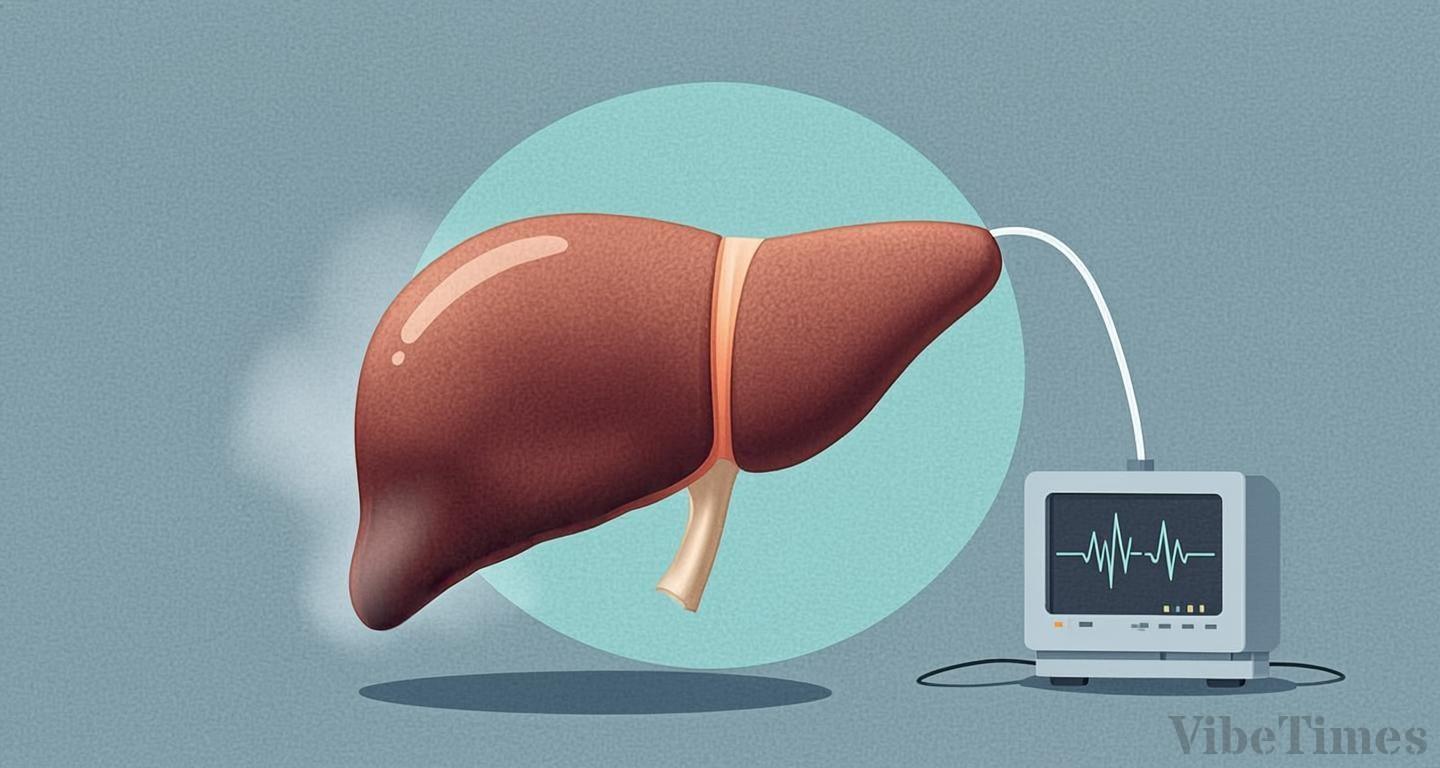
A research team in Sydney, Australia, claims to have kept a donated human liver alive outside the body for a record seven weeks. The feat was achieved by a team led by Carlo Pulitano, a surgeon and inventor, using an automated pump and sensor system to supply the liver with nutrients and blood while removing waste products. Pulitano is a transplant surgeon at Royal Prince Alfred Hospital and a professor at the University of Sydney.
The life-support device is officially known as the Extended Organ Perfusion System. Pulitano likened the system to an "artificial body," noting that his team is "the only group in the world to have maintained a human liver for seven weeks under fully normothermic (about 37°C) physiological conditions."
Most organs destined for transplant survive only a few hours in special ice-filled containers and must be transported quickly. However, over the past decade, surgeons have shifted to perfusion systems that circulate warm or cold fluid through organs, roughly doubling the time organs can be preserved. The previous record for keeping an organ alive outside the body was set in Switzerland several years ago, also with a liver, which survived about two weeks.
At a conference held in Switzerland earlier this year, the Sydney team presented results from perfusing 55 human livers in succession. Some were connected to a system requiring manual adjustment, but livers fitted with the automated system survived roughly three times longer on average—up to about four weeks. The seven-week liver also came from this automated system. The achievement demonstrates that perfusion technology has greatly extended the storage limits for organs awaiting transplant. Further details are expected to be confirmed through publication in a peer-reviewed paper.
