Court Rejects 7 of 8 Arrest Warrants in Election Commission Special Counsel's First Round

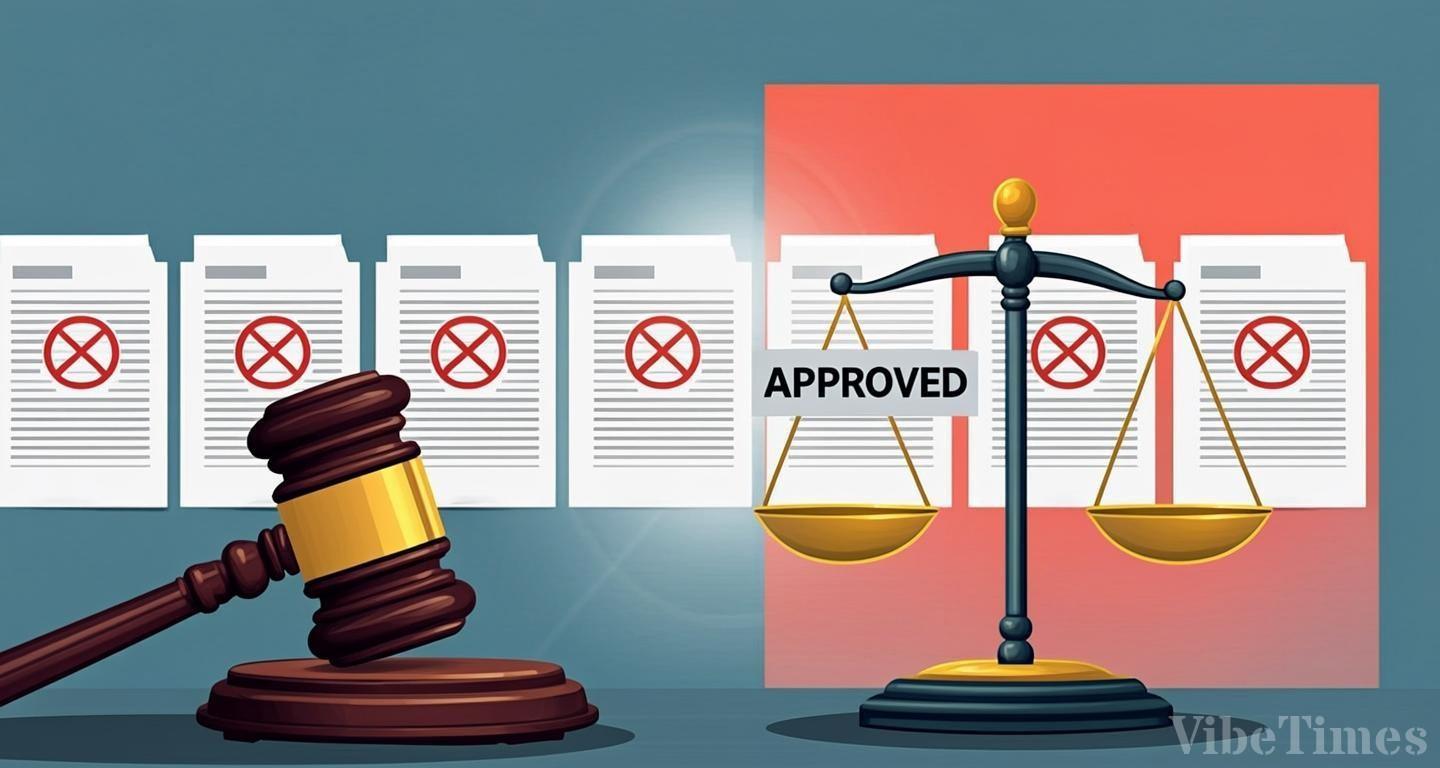
Seven of the eight arrest warrants — the first ever sought by the special counsel investigating the National Election Commission — have been rejected by the court.
Legal and Investigative Background: The Special Counsel's Launch and First Test
The special counsel, which has been probing various allegations surrounding the National Election Commission (NEC), has conducted its investigation under Special Prosecutor Lee Tae-han. The probe has so far involved raids and summons questioning tied to suspicions of so-called organized interference by NEC staff. This batch of arrest warrant requests was the first coercive measure attempted since the special counsel's launch, making it a litmus test for the direction of the investigation. The result, however, came back as rejections for seven of the eight — an unusual 87.5 percent rejection rate.
Key Analysis: What the Rejections Mean
The court's rejection of most of the warrants indicates it judged that the evidence secured by the special counsel was insufficient to support the legal requirements for detention — namely, concerns about flight risk or destruction of evidence. Under criminal procedure, pretrial detention is a last resort issued not on the basis of criminal suspicion itself, but only when the risk of flight or evidence tampering is established. The special counsel's request for warrants against all eight subjects may be read as a strategy to pressure the organization as a whole, but the court appears unlikely to have viewed this as justification for blanket detention.
According to Yonhap News, the rejections suggest that any future investigation targeting the NEC leadership will likely face hurdles. If even lower-level staff cannot be detained, an investigation strategy premised on securing detention of higher-ranking officials loses its effectiveness. With only one warrant upheld, the special counsel now faces the dual tasks of reinforcing its evidence and revising its investigative strategy.
Institutional Impact: Questions of Credibility for the Special Counsel System
The special counsel system is designed to guarantee prosecutorial impartiality in cases involving senior officials or specific institutions. But when the special counsel's first round of arrest warrants is rejected en masse, doubts grow over the substantive legitimacy of the investigation. In a political climate marked by ongoing skirmishes between the ruling and opposition parties over special counsel and prosecutorial matters, this rejection invites both the view that the probe is being weighed down politically and the assessment that the court has applied a check based on legal requirements.
The Democratic Party has recently emphasized probing suspected abuse of prosecutorial power and continues its push to withdraw indictments related to the so-called "prison-break" special counsel, while the People Power Party has raised constitutional concerns over the handling of the so-called "fabricated indictment" special counsel act and has even filed a jurisdictional dispute petition. Against this backdrop, the legal success or failure of the special counsel's probe is directly tied to the political fortunes of both parties' arguments.
Outlook: A Reworking of Investigative Strategy Is Inevitable
Going forward, the special counsel is expected either to continue investigating the rejected subjects without detention or to secure additional evidence and refile the warrants. The outcome of the single upheld case will set the benchmark that shapes the tone of the entire investigation. If the bench remains consistently cautious about detention, the special counsel will likely shift away from detention-based pressure toward an investigation centered on document reviews and witness interviews. Ultimately, this round of rejections is expected to be a variable affecting both the timing of the investigation's conclusion and whether indictments are brought.