Withdrawal of Indictment Emerges as Biggest Flashpoint at Lee Yong-chul's Confirmation Hearing

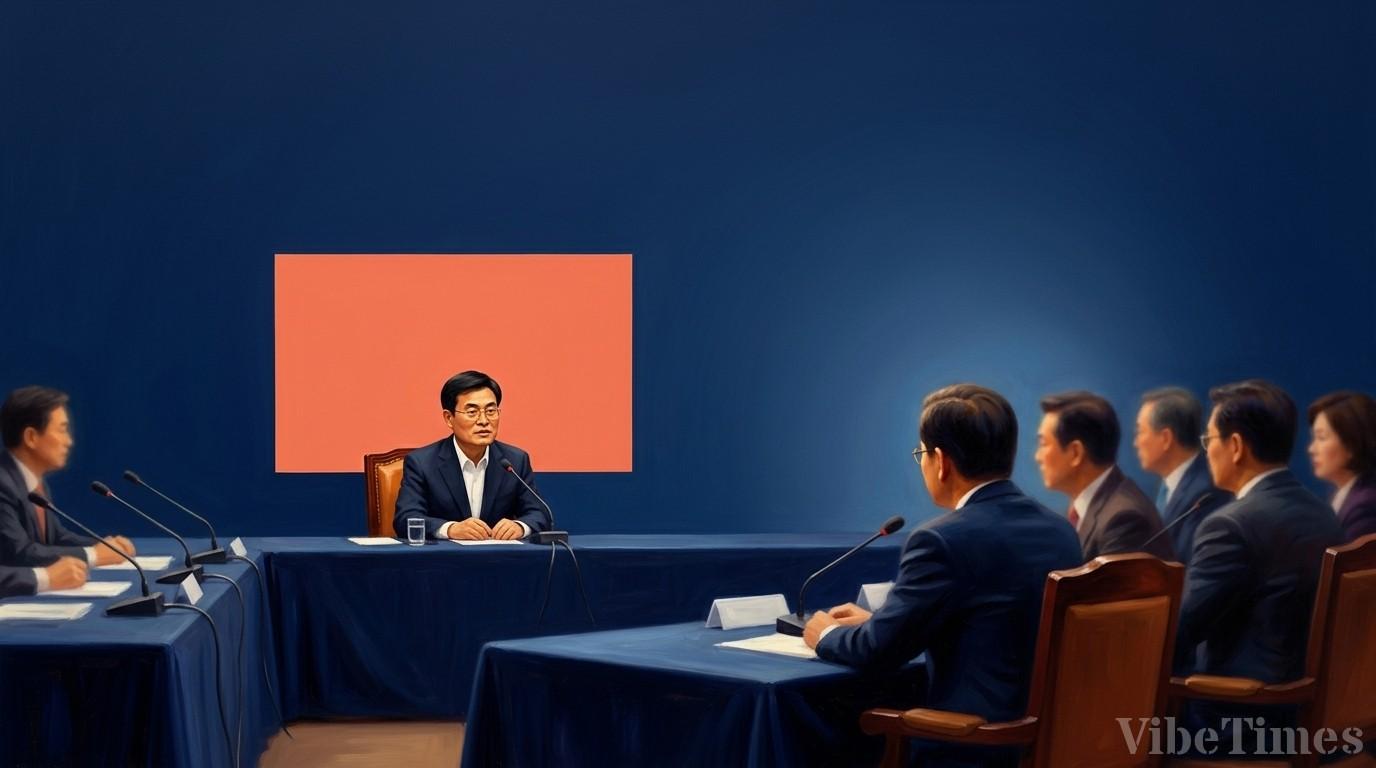
The withdrawal of an indictment emerged as the biggest flashpoint at the confirmation hearing for Justice Minister nominee Lee Yong-chul.
Indictment Withdrawal Controversy Shakes Up the Hearing
At the hearing, the People Power Party intensively raised suspicions that the nominee might cooperate in withdrawing the indictment against President Lee Jae-myung over his election law case. The president's case has been remanded to a lower court by the Supreme Court, and the outcome of the retrial could affect the president's political standing. The opposition pressed the claim that if Lee is appointed justice minister, he could push for the indictment's withdrawal through his prosecutorial directives. The party's core argument was that nominating someone with a confirmed personal friendship with the president as justice minister amounts to cronyism.
The nominee's camp dismissed this as a forced argument. Ahead of the hearing, Lee was reported to have stated that "if the truth is not established, I will not withdraw the indictment." In other words, he would decide on any exercise of prosecutorial directives over individual cases according to legal principles and procedure. While the justice minister's power to direct prosecutors is legally sanctioned, repeated warnings were voiced at the hearing that exercising it in a way that influences a specific individual's trial would carry major political ramifications.
Structural Background to the Controversy
The roots of this controversy lie in the prosecutorial reform drive that President Lee Jae-myung has pursued since taking office. Democratic Party floor leader and interim party chief Han Byung-do has emphasized the complete abolition of prosecutors' supplementary investigative powers as the starting point of that reform. As the justice minister will oversee the practical execution of these reforms, the nominee's convictions and independence will directly shape the credibility of the government's reform agenda.
The Supreme Court's remand also adds a variable. Intense legal scrutiny took place at the hearing over what procedural options the justice minister could take while the case is retried in a lower court, and where the boundaries lie. The opposition argued that filling the post before the case's conclusion could be seen as pressure on the judiciary, while the ruling party countered that none of this was proven fact.
Political Fallout and Outlook
For the People Power Party, the controversy offers a rationale for checking the ruling camp after the presidential election. It dovetails with a broader line of criticism from major conservative figures such as Oh Se-hoon, who have attacked the ruling camp with accusations of an attempt to take over the judiciary. The Democratic Party, for its part, has countered that the hearing should focus on evaluating the nominee's character and policy competence, and that claims linking him to the case are themselves a political offensive.
The key thing to watch going forward is less the confirmation vote than the nominee's future conduct. If Lee takes office as justice minister, the question of whether the controversy over prosecutorial directives is put to rest will hinge on what judgment he makes if demands for the indictment's withdrawal actually arrive, and whether he can back up those decisions with documentation and proper procedure. The opposition, meanwhile, is expected to keep up the pressure by demanding an explicit written position on the indictment withdrawal issue during the adoption of the hearing report.