Here's Your Guide to Using Refill Stations With Your Own Containers

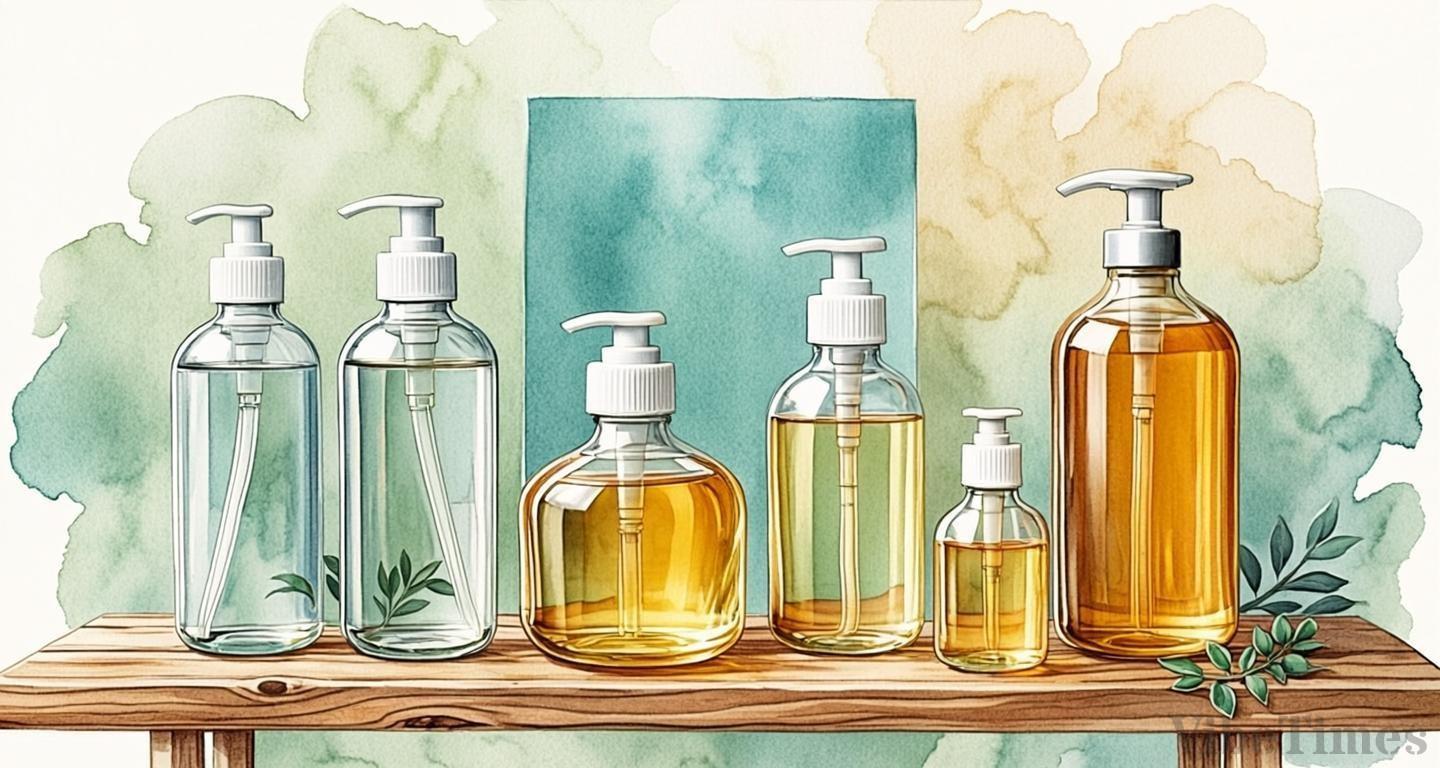
Refill stations, where you bring a single container and buy everything from detergent to shampoo and food in just the amounts you need, have spread across major cities nationwide and even into apartment complexes in Korea. After the Ministry of Environment unveiled its "Comprehensive Plan to Revitalize the Distribution of Reusable Containers" in 2022, launching pilot programs for refill stations and reusable container delivery, options have expanded to include brick-and-mortar shops, unmanned kiosks, and online services. The bottom line: zero-waste refill living in Korea is already entirely feasible; the remaining task is simply to find the most convenient option in your area and use it consistently.
Using a Refill Station Really Comes Down to Three Steps
You Need a Clean Container and Its Pre-Measured Weight
The essential items for refilling are your own containers, such as glass bottles, PET bottles, or airtight containers. Since the whole point of refilling is to reuse empty jars from home, there's no need to buy new ones. However, you must remove any residue completely and dry them before bringing them in — even small amounts of leftover material can contaminate detergents or cosmetics.
Weighing your containers at home on a kitchen scale — measuring what's known as the "tare" — makes the in-store process much smoother. For liquid detergents, a leak-proof airtight container is safest. Keep in mind that strong detergent ingredients can deform PET bottles, so HDPE or glass containers are recommended for such products.
In Stores, You Pay by Weight
While procedures vary in detail from shop to shop, the basic structure is the same. The container's weight is measured and recorded at the entrance; you then fill it with as much of your chosen product as you need from a tap or pump dispenser, and the price is settled based on the net weight — total weight minus container weight. Since pricing is per gram, you can buy as little as 100 grams or fill up to a kilogram. After filling, it's recommended to label the container with the product name and date.
If the process feels unfamiliar on your first visit, just ask a staff member for help. Most refill shops regularly guide newcomers. Because each store has its own hygiene standards and rules about pets, it's safest to check the latest operating information on social media or map apps before visiting.
Where to Go — Four Ways to Refill
Dedicated Refill Shops
Almaeng Retail Shop in Hongdae, Mapo District, Seoul, is a leading example. With a wide range of products from detergents to shampoo and food, it's the most accessible option for refill beginners. Bari Bari in Seongsu-dong offers soap-making workshops alongside refills, while Assistant B near Konkuk University in Gwangjin District sells unpackaged detergents. In the greater Seoul area, options include Nanuri in Cheoin-gu, Yongin; Dadok Zero Waste Shop in Ilsan; and Via Zero Waste Shop near Hongdae.
Searching "refill shop + [area name]" on Naver Map or Instagram will help you find a nearby store. Communities like the Zero Waste Gallery and Naver cafes, where people share reviews by region, are also a fast way to get practical tips.
Unmanned Household Refill Stations
Unmanned refill kiosks installed in apartment complexes and district offices let you buy detergent, shampoo, and conditioner in small quantities without visiting a store. Piloted in 2021 and expanded mainly in Seoul, they work by scanning a QR code or authenticating membership, automatically weighing your container, selecting a product and dispensing it with a button, then paying by card or a mobile payment service. Available around the clock, their main advantage is accessibility.
However, some kiosks may be removed due to budget cuts or the end of pilot programs, so check operating status on Seoul Open Data Plaza or your district office's website before heading out.
Brand Refill Programs and Online Refills
There's movement in cosmetics, too. Brands like The Face Shop, Innisfree, and Skinfood have run pilot refill pouches and refill stations, while eco-friendly brands like Aromatica and Ernest Beauty offer empty-bottle collection and refill services. Some E-mart and Lotte Mart locations are also piloting refill stations.
If the nearest store is far away, online refills are an alternative. With models like Bio Labs, which delivers unpackaged detergent on a subscription basis and collects empty containers, or online platforms like Ernest Beauty and Refill Market, you can participate in the reuse system from home. Just bear in mind the shipping costs and the packaging take-back process involved.
Why Refill, and Why Now
Policy Built the Infrastructure
In 2022, the Ministry of Environment released its "Comprehensive Plan to Revitalize the Distribution of Reusable Containers," launching pilot programs for reuse-based distribution models such as refill stations and multi-use container delivery. This plan provided the institutional foundation for the spread of refill infrastructure. Amendments to the Act on the Promotion of Saving and Recycling of Resources are also phasing in stronger measures to curb single-use items.
Plastic Use Is Among the Highest in the World
South Korea's per-capita plastic consumption exceeds 100 kilograms a year — among the highest in the world. With more than 480,000 tons of food waste discarded every month, refilling, which reduces packaging at the source, becomes a way to cut emissions at their origin. For consumers, per-gram prices can be advantageous because packaging costs are removed, and buying only what you need also prevents unused products from piling up.
What to Know Before You Start
Hygiene and Container Separation Come First
Never use the same container for both food and detergents — this is directly tied to food safety. Containers should be sterilized with boiling water or fully dried before use, and since preservative-free products have short shelf lives, buying in small amounts is the right approach. Unmanned refill kiosks handle weighing and payment automatically, so hygiene management is relatively less burdensome.
Factor in Distance and Unit Price to Make It Stick
Traveling a long way to a refill shop can generate transport emissions that offset the environmental benefits. Choosing the closest refill option is key to sustainable practice. Also, refill products aren't always cheaper, so it pays to compare per-gram prices in advance. Some pilot programs, such as local governments' "refill culture promotion projects," offer small incentives for participation.
Rather than obsessing over how perfectly zero-waste you are, grabbing a container and starting at the refill station near your home is the first step with the lowest barrier to entry. Since locations and operating status change frequently, be sure to check a shop's social media or local government notices for the latest information before visiting.