SK hynix Sees Server DRAM DDR5 Shipments Rise 40%

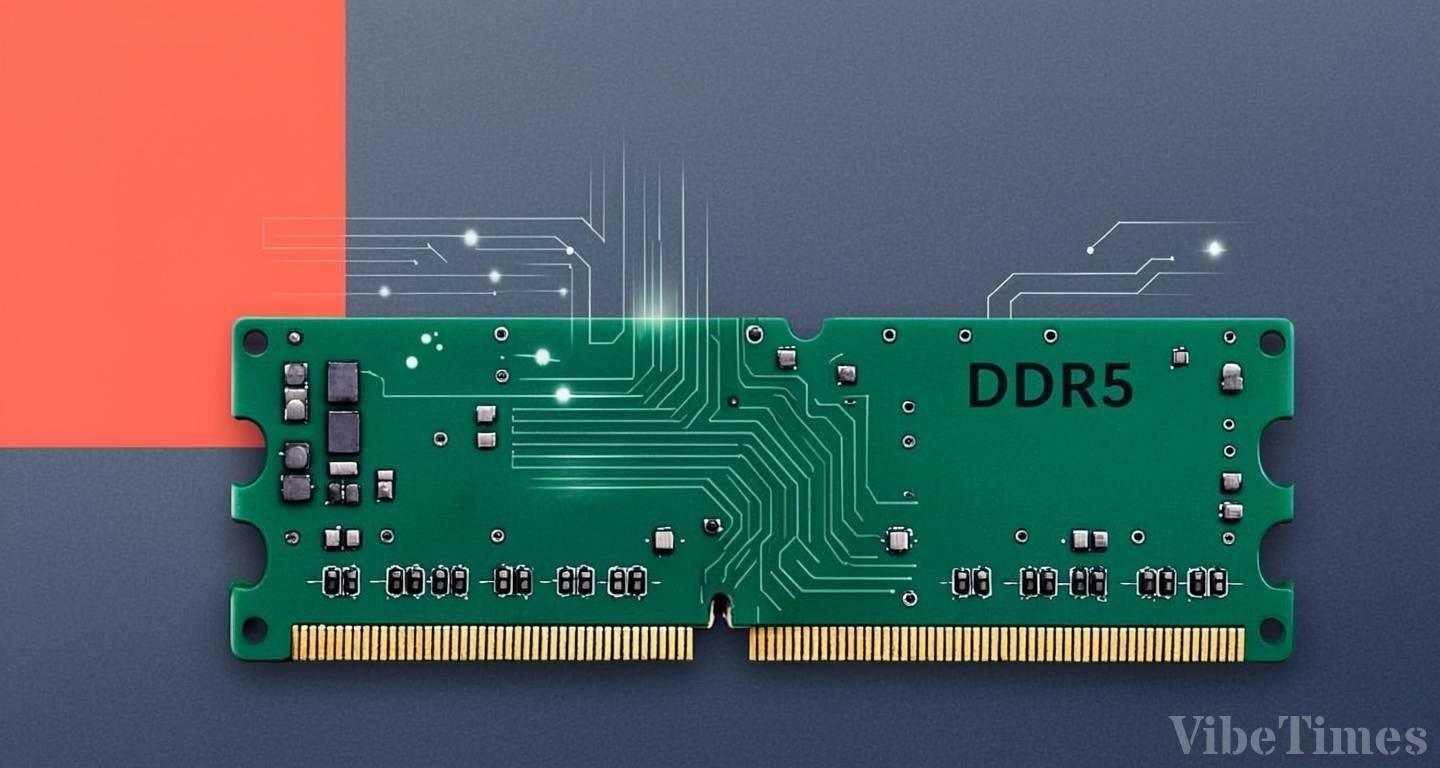
North America took up the server DRAM that China scaled back. As a result, SK hynix increased its third-quarter server DDR5 shipments by more than 40% from the previous quarter. According to market research firm TrendForce, some Chinese cloud companies lowered their server DRAM purchase plans for next year starting in early Q4 of this year. The adjustment targets volumes they had intended to buy in addition to quantities secured under long-term supply contracts. TrendForce analyzed in its report that North American cloud companies quickly snapped up most of that additional volume.
Chinese cloud companies, worried about difficulties securing graphics processing units (GPUs), also cut their enterprise solid-state drive (SSD) purchase plans for next year. North American companies placed additional orders, but that was not enough to fill the gap left by China's reductions. With China cutting purchases of both items, server DRAM—where SK hynix is expanding supply—did most of the work in filling the void.
Citi forecast that the average contract price of 64-gigabyte (GB) DDR5 server modules in the first quarter of next year would rise 1% from Q4 of this year to $1,823. TrendForce projected that commodity DRAM contract prices would rise through the first half of next year and hold steady in the second half. On the 20th of this month, KB Securities said global DRAM demand next year, driven by server products, would grow 25% over this year, exceeding the supply growth rate of 18%. KB Securities estimated that SK hynix and Samsung Electronics' average DRAM selling prices next year, on a contract basis, would rise 40% from this year.
SK hynix expects its total DRAM shipments in the fourth quarter to increase by mid-20% from the previous quarter in terms of memory capacity. The figure reflects the effect of ramping up operations at its M15X fab in Cheongju to expand production of high-bandwidth memory (HBM4) based on sixth-generation (1c) 10-nanometer-class process technology. For conventional DRAM, the company plans to increase supply of DDR5 built on the 1c process and low-power DRAM (LPDDR5) for AI servers.