Oil Prices Surge and Plunge on Strait of Hormuz Blockade Fears

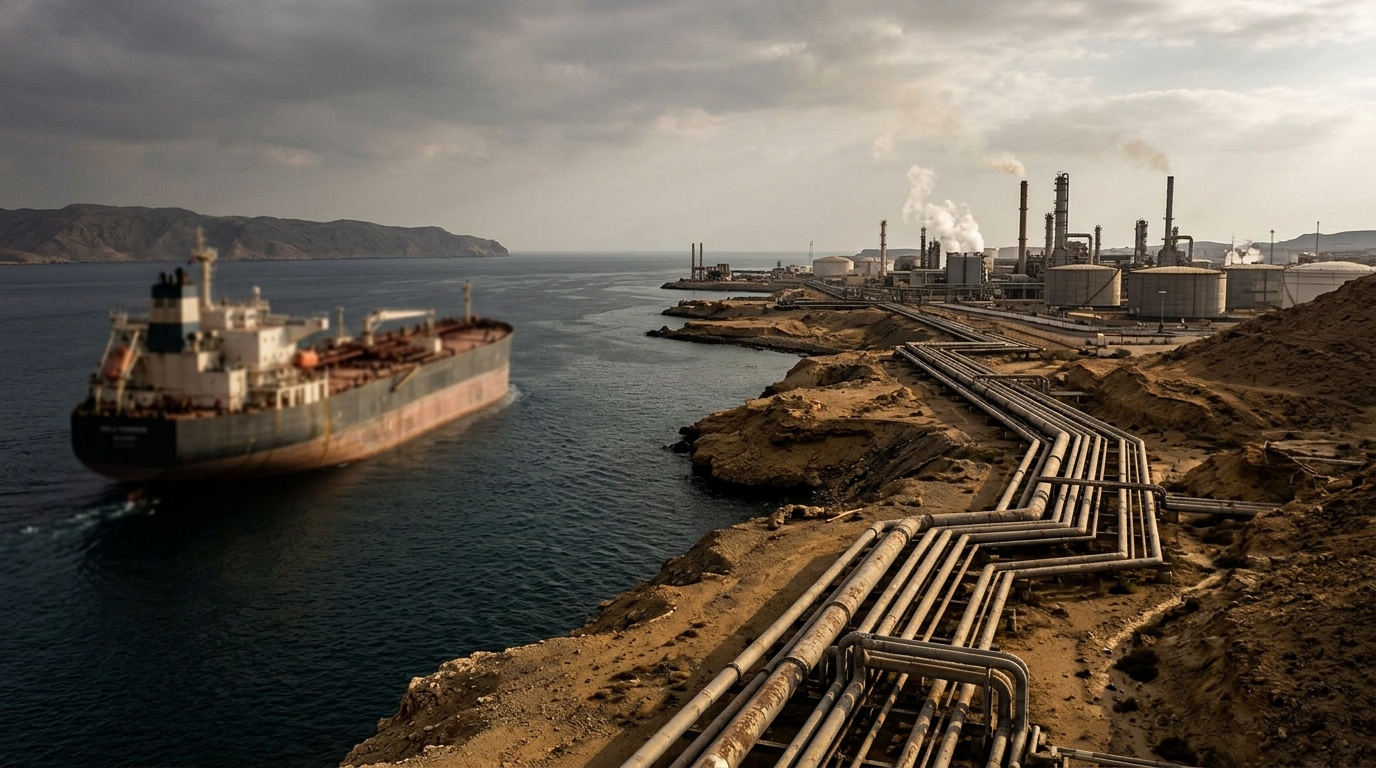
Amid anxiety that the Strait of Hormuz, a key oil transport route in the Middle East, could be blocked, international oil prices have been volatile, with the price gap between global benchmarks Brent crude and US West Texas Intermediate (WTI) widening to its largest in 11 years. Brent crude futures for May delivery closed at $108.65 per barrel, up 1.2% from the previous session, while US West Texas Intermediate (WTI) futures for April delivery fell 0.2% to $96.14 per barrel. The price difference between Brent crude and WTI stood at over $10 per barrel.
Israel bombed South Pars, Iran's largest gas field, and the Asaluyeh natural gas refining facilities. In response, Iran attacked gas facilities in the Ras Laffan region of Qatar, causing extensive damage. SAMREF, a joint refinery venture between Saudi Aramco and ExxonMobil, was also hit by a drone attack, temporarily suspending loadings at the Yanbu Port oil export terminal, and two Kuwaiti refinery facilities caught fire due to Iranian drone attacks.
U.S. Treasury Secretary Scott Besant announced that sanctions on approximately 140 million barrels of Iranian crude oil could be lifted soon. The U.S. Treasury Department also announced a temporary exemption from sanctions for Russian crude oil and petroleum products loaded before the 12th of this month. These policy responses have reportedly eased some uncertainty regarding supply conditions.
U.S. President Donald Trump stated during a meeting with Japanese Prime Minister Shinzo Abe at the White House that the U.S. would not deploy ground troops to Iran. President Trump posted on social media that if Iran does not further attack energy facilities in Qatar, there will be no further attacks on Israel's South Pars gas fields.
International oil prices showed volatility influenced by the geopolitical situation in the Middle East and diplomatic responses from major countries.