Ministry of Economy and Finance Raises Public Procurement Bid Floor After 23 Years

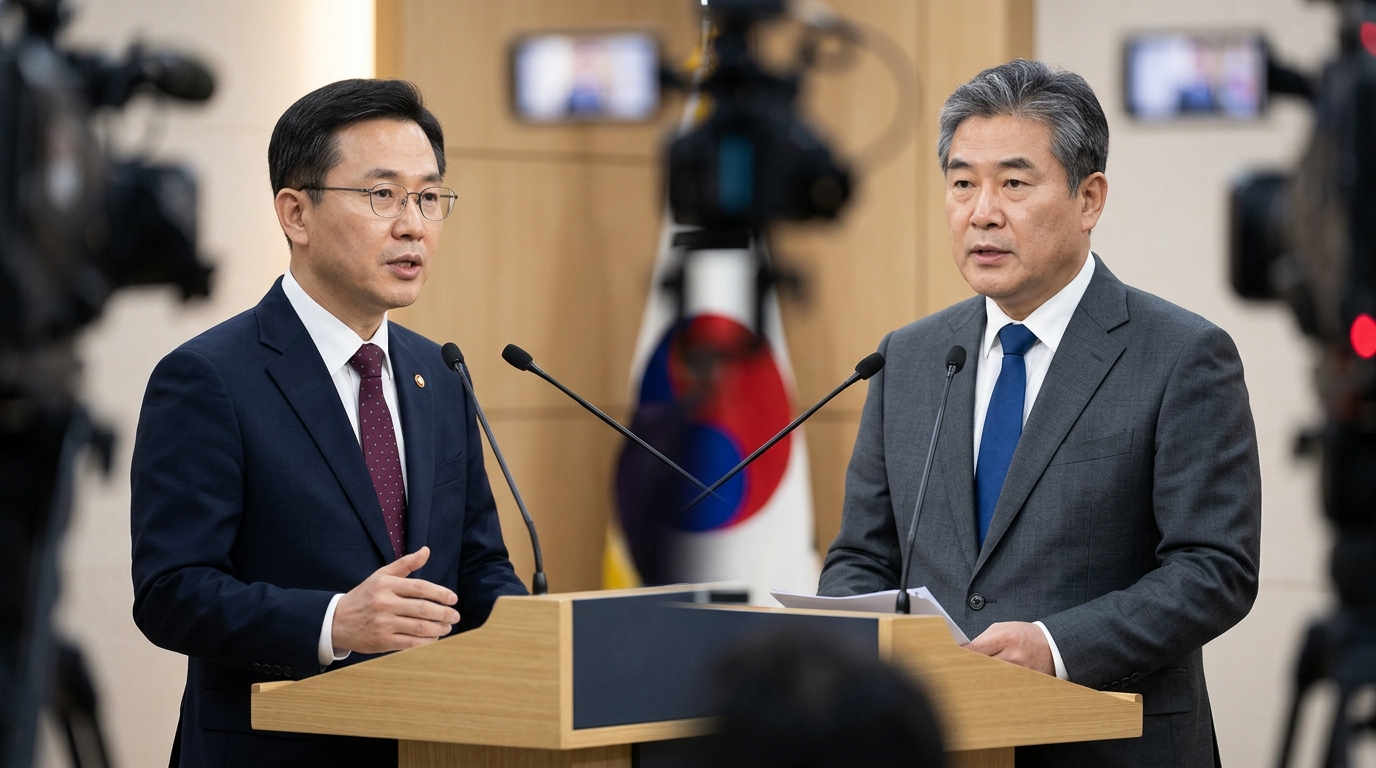
The government has decided to raise the 'minimum winning bid rate' for public institution projects by 2 percentage points for the first time in 23 years, with the new standard set to take effect in May 2026. The Ministry of Economy and Finance convened its first Procurement Policy Deliberation Committee meeting and resolved to increase the minimum bid rate for both goods and services by 2 percentage points. This move aims to address the worsening profitability of small and medium-sized enterprises (SMEs) and the decline in worker treatment resulting from low-price bidding, while establishing a foundation for appropriate compensation to encourage improvements in on-site safety and working conditions. The minimum bid rate for goods and general services will be raised from the current 80.495-87.995% to 82.495-89.995%, and for technical services, from 79.995-87.745% to 81.995-89.745%. Specifically, the rate for technical services under 1 billion won will be adjusted for the first time in 23 years since 2003; competitive sectors solely among SMEs are excluded from this increase.
The government has set the target for public purchases of innovative products in 2026 at 1.25 trillion won, a 56.5% increase from 798.5 billion won the previous year. To achieve this goal, the government plans to overhaul the public institution performance evaluation system and introduce an AI-based search system for innovative products, thereby fostering an environment where the public sector generates initial demand to support the growth of innovative companies, facilitates customized demand discovery, and operates dedicated support organizations for the adoption of innovative products.
In addition, as the number of cases processed by the National Contract Dispute Mediation Committee reached a record high of 56 last year, the government is pursuing measures to resolve public contract disputes. These include introducing financial mediation for monetary disputes, abolishing the mandatory prior adjudication principle, establishing a review for unfair clauses, and introducing public defenders.
This institutional reform is intended to redefine the role of public procurement as a tool to support industrial, employment, and innovation policies. The Ministry of Economy and Finance plans to manage the procurement market by ensuring appropriate compensation through the increased minimum bid rate and expanding the purchase of innovative products, thereby enhancing transparency in contract environments.