Indictments Filed Over Alleged $2.5 Billion AI Chip Smuggling to China

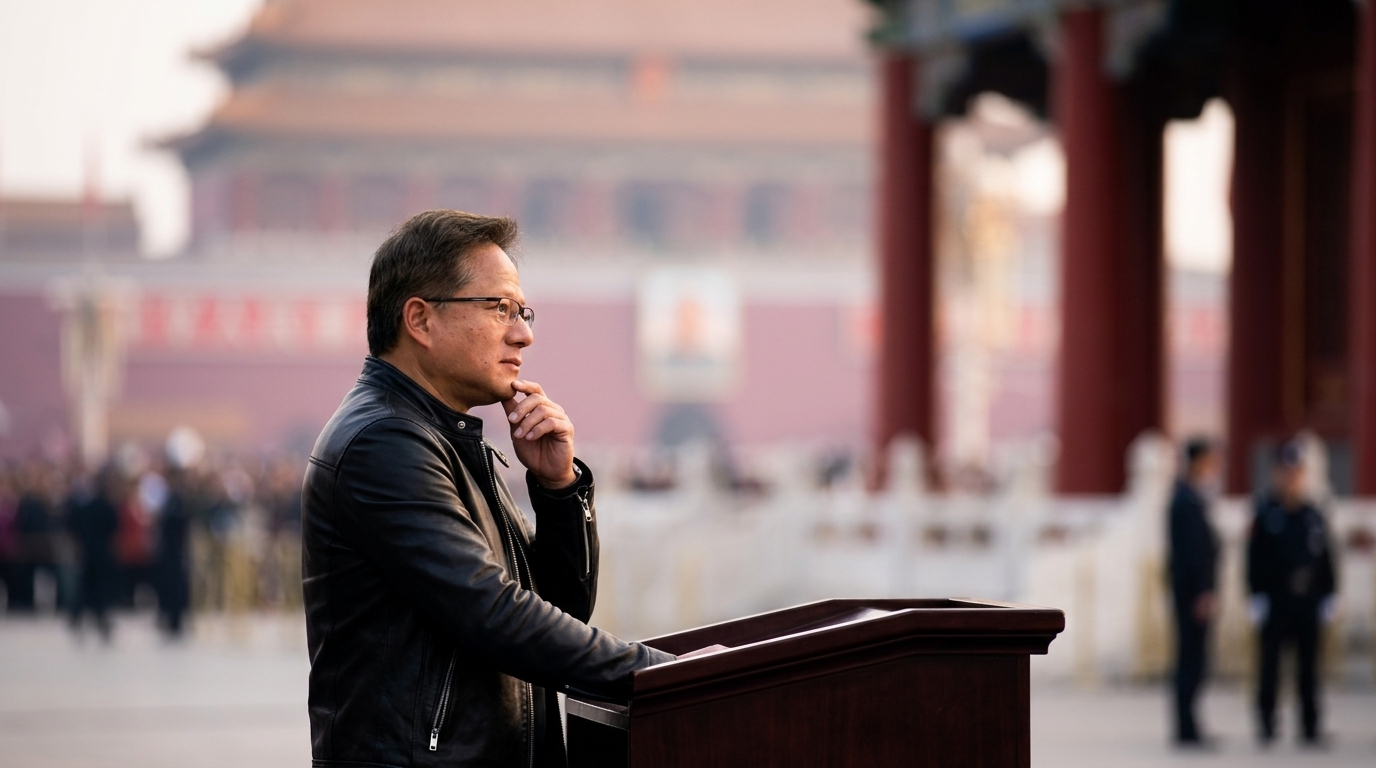
Three individuals, including a co-founder of Supermicro, have been indicted by the U.S. Department of Justice on charges of secretly exporting at least $2.5 billion worth of servers equipped with Nvidia's high-performance graphics processing units (GPUs), which are critical for artificial intelligence (AI) development, to China. Authorities believe they rerouted the servers to China through a Southeast Asian company and then falsified related documents. This occurred shortly after Nvidia CEO Jensen Huang stated that export licenses for Chinese customers had been secured. The incident is expected to introduce a new variable into the restructuring of the semiconductor supply chain, occurring amidst escalating U.S.-China technological competition and as expectations for the resumption of chip exports were growing ahead of the May U.S.-China summit.
Iran's parliament is advancing a bill to impose transit fees and taxes on vessels passing through the Strait of Hormuz. Somyyeh Rafi'ei, a member of the Iranian parliament, announced the bill is being pursued at the parliamentary level, and former Vice President Mohammad Mokhber indicated that a new regime would be established in the Strait of Hormuz through the ongoing conflict.
An attack on Iran's Rashtrapun industrial complex has crippled 17% of Qatar's liquefied natural gas (LNG) export capacity, halting production by 12.8 million tons annually for the next three to five years. Consequently, QatarEnergy has indicated the possibility of declaring force majeure for up to five years on long-term supply contracts with countries including South Korea, China, and Italy. The JKM futures price, a key indicator for Northeast Asian LNG prices, more than doubled from $10.725 per MMBtu before the conflict to $22.350.
The U.S. Federal Reserve (Fed), Federal Deposit Insurance Corporation (FDIC), and Office of the Comptroller of the Currency (OCC) have unveiled proposed revisions to bank capital regulations. These proposals include reducing the capital burden for large banks by an average of 2.4%, with a maximum reduction of 4.8%. Mid-sized banks would see their buffer burden reduced by 5.2%, and smaller banks by 7.8%. Capital requirements, which had been proposed for an increase of up to 20% following the Silicon Valley Bank (SVB) collapse, have shifted to a more accommodative stance since the beginning of the Trump administration.