Cho Kuk Proposes Temporary Free Public Transit

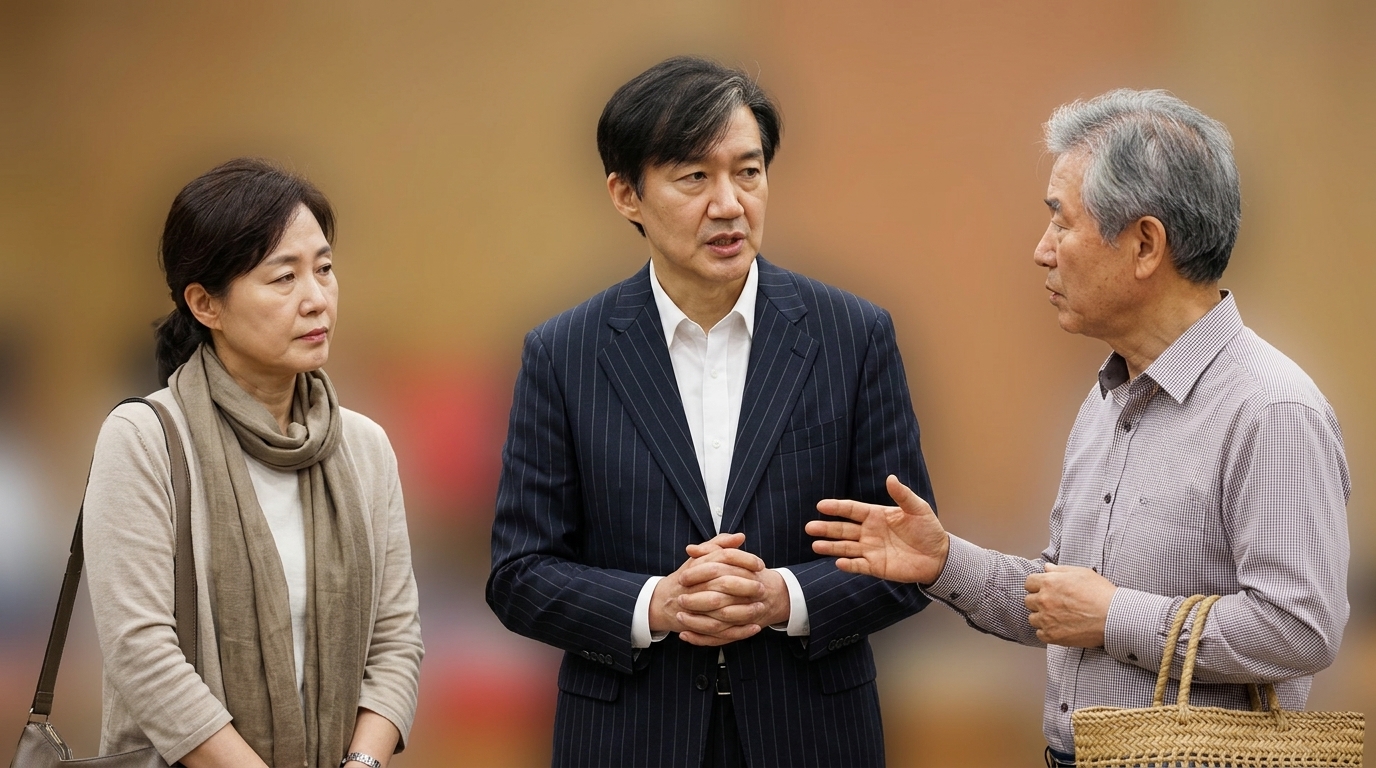
Cho Kuk, leader of the Rebuilding Korea Party, on the 29th via social media, proposed temporarily making public transportation free during commute hours as a measure to ease the public's burden. He urged the National Assembly to allocate the necessary supplementary budget for this initiative. Cho criticized the government's energy crisis response for focusing on private vehicle users through measures like fuel tax cuts, price caps, and odd-even driving restrictions, emphasizing the need for direct support for public transport users. He cited Germany's 2022 '9-euro ticket' program, which led to a 25% rise in public transit use, a 0.7 percentage point drop in inflation, and a 10% decrease in car traffic over three months. Based on Korea's transportation infrastructure, Cho proposed including a 'Korean-style 9-euro ticket' in long-term plans, and argued that a temporary free public transit policy for commutes should be implemented first to reduce public costs and encourage a shift from private cars to public transport.
On the 24th, during a report on energy-saving measures at a cabinet meeting, the President mentioned the difficulties faced by commuters and instructed a study on ways to limit free public transport access for the elderly during peak commute hours. At the time, the President added that while the time-limit approach should be studied, distinguishing users would likely be difficult.
In response, the People Power Party pointed out that the idea of the state screening and selecting travel purposes carries a significant risk of infringing on basic rights. Han Jeong-ae, the policy committee chair of the Democratic Party of Korea, assessed the proposal as a topic for discussion to address the super-aged society and era of ultra-high energy prices, interpreting its intent as fostering an environment where citizens use public transport more, rather than abolishing the free ride system or changing the eligible age.
With the government's supplementary budget submission looming, the ruling and opposition parties showed clear differences in their stances. The Democratic Party proposed including industrial support and targeted welfare for vulnerable groups, while the People Power Party advocated for 'pinpoint support' by segmenting affected groups, each presenting different content for inclusion in the supplementary budget proposal.