Gov't Begins Disbursing High Oil Price Relief Payments

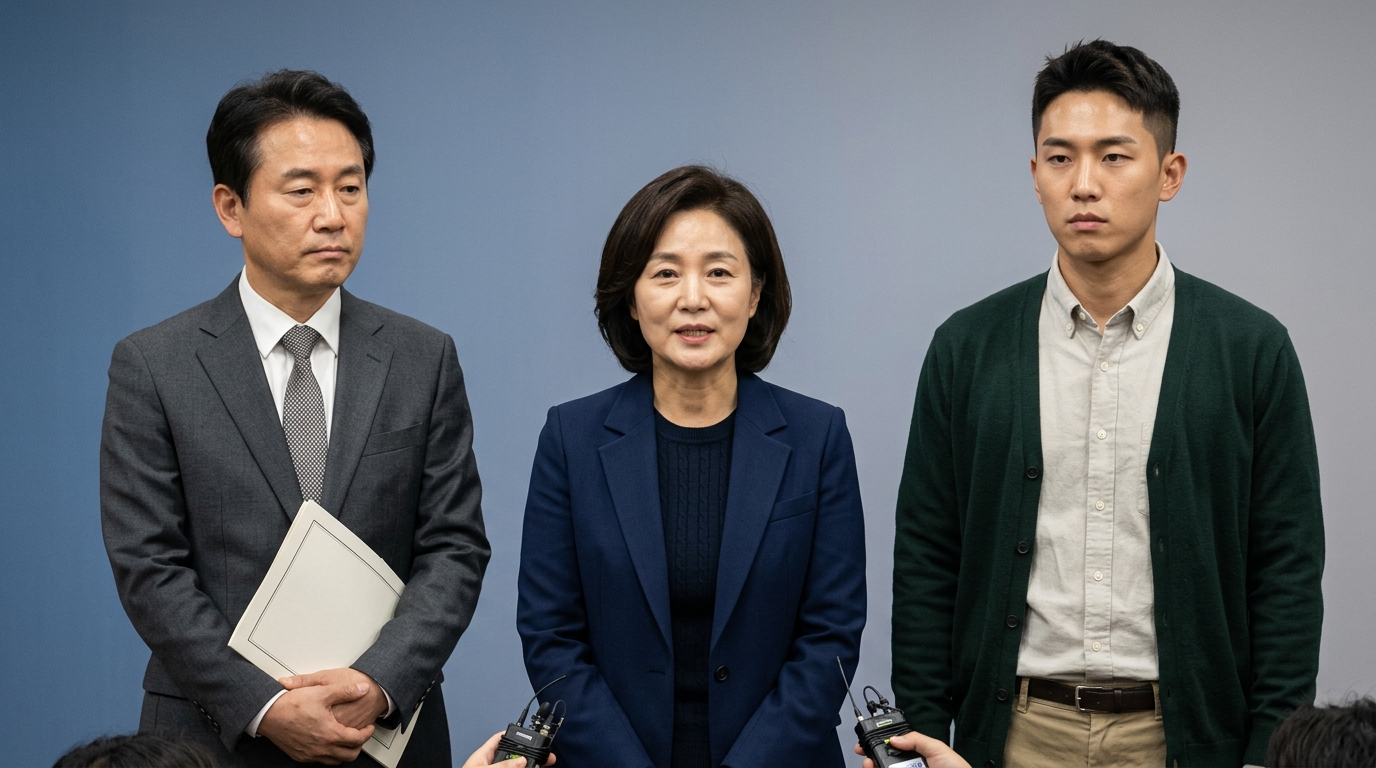
The government has prepared a supplementary budget of 26.2 trillion won to assist citizens struggling with soaring oil prices due to the prolonged Middle East conflict. President Lee Jae-myung presided over a State Council meeting at the Blue House on March 31, approving the '2026 Supplementary Budget Proposal to Overcome the Middle East War Crisis.' This marks the first supplementary budget proposal from the Ministry of Planning and Budget, which was launched this year, and the second since the Lee Jae-myung administration began in June of last year.
A total of 4.8 trillion won will be allocated to high oil price relief payments. These payments, ranging from 100,000 to 600,000 won per person, will be distributed to approximately 35.8 million individuals in the bottom 70% of income earners. Citizens in the bottom 70% will receive 100,000 to 250,000 won depending on their region. Near-poor and single-parent households will receive 450,000 to 500,000 won, while basic livelihood recipients will get 550,000 to 600,000 won.
An additional 5.1 trillion won has been budgeted to ease the burden of fuel and transportation costs. The government will expand the scope of the oil price cap system from gasoline, diesel, and kerosene to include marine diesel oil, providing additional support to fishermen and small-scale cargo ship owners. The K-Pass refund rate will also be temporarily increased by up to 30 percentage points for six months, allowing low-income individuals to receive up to 83% back and general users up to 30%. An extra 50,000 won in energy vouchers will be provided to 200,000 low-income, climate-vulnerable households using kerosene and LPG. Oil price-linked subsidies will also be temporarily offered to greenhouse farmers and fishermen.
To minimize industrial damage and stabilize supply chains, 2.6 trillion won has been allocated. This includes 500 billion won for partial support of naphtha import costs, while export support through policy financing will reach 7.1 trillion won. An additional 800 billion won will be invested in renewable energy facility support and the transition to energy and new industries.
The funds will be covered by excess tax revenue and the fund's own resources, without the issuance of new government bonds. Minister of Planning and Budget Park Hong-geun stated, "The high oil and high inflation situation places a greater burden on vulnerable groups." The government submitted the supplementary budget proposal to the National Assembly today, and the ruling and opposition parties have agreed to process it at a plenary session on April 10.