Duty-Free Sector Slump Persists Amid Burden of Exchange Rates and Fuel Surcharges

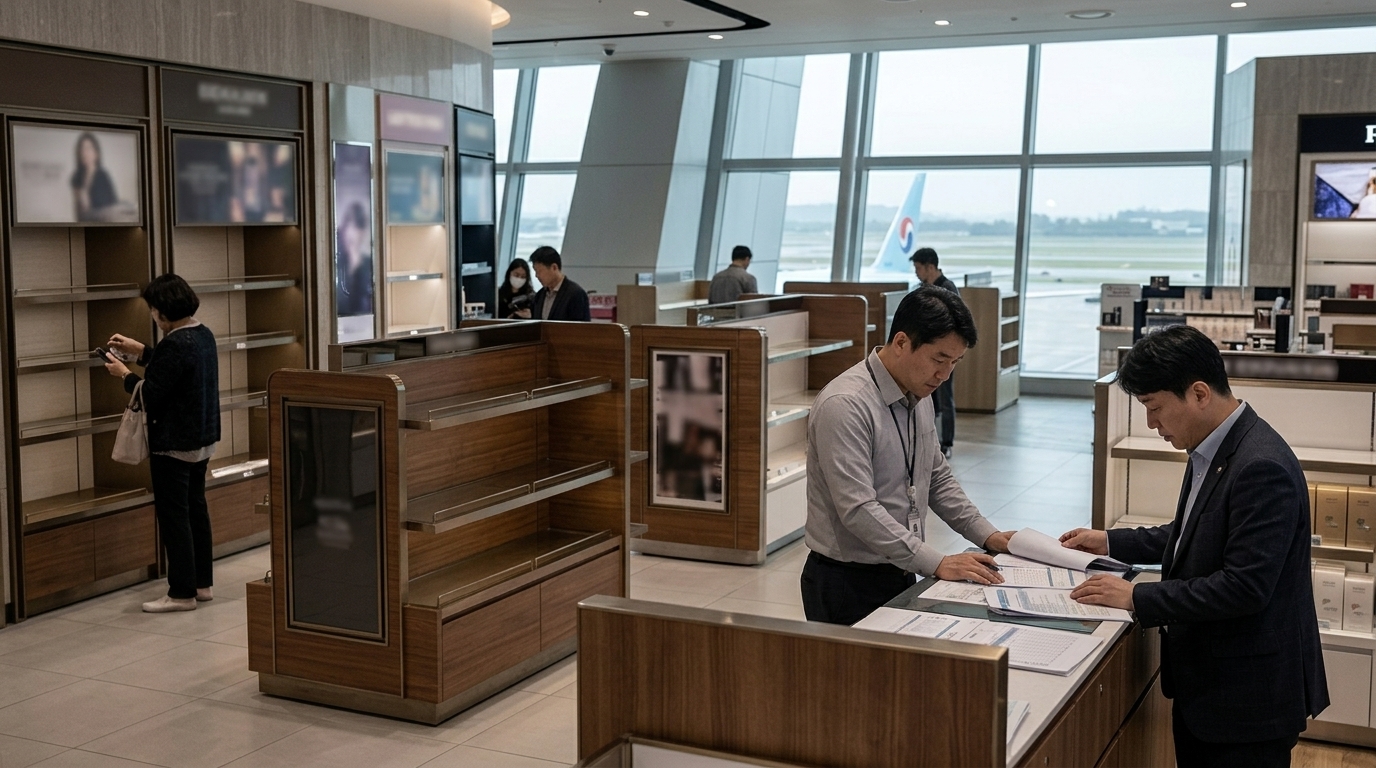
The duty-free industry is once again facing difficulties due to increased burdens from high exchange rates and fuel surcharges, which could lead to higher additional charges for consumers. The sector is losing momentum for performance recovery and remains mired in a slump.
Duty-free shops, which directly import luxury goods and cosmetics in dollars, face rising costs and increased risk of foreign exchange losses when exchange rates climb. This can even lead to a price inversion where some items become more expensive than at department stores. The surge in international oil prices and the resulting fuel surcharges further complicate the recovery of the duty-free sector, with surcharges expected to rise further in May. Consequently, concerns are growing over a contraction in travel demand.
The duty-free industry's downturn has been prolonged due to a combination of factors, including shifts in consumer trends post-COVID-19 pandemic, sustained high exchange rates, and a decline in sales from Chinese personal shoppers (daigou). Duty-free sales, which stood at 24.8 trillion won in 2019, dropped to 12.5 trillion won last year, a level lower than even in 2020 (15.5 trillion won) when inbound travel plummeted due to the pandemic.
These compounding headwinds suggest that the performance rebound seen by some duty-free operators last year was merely temporary. Companies that saw an upturn faced unexpected difficulties, while those already struggling are now in an even worse position. Among the top four players, Lotte Duty Free and Hyundai Duty Free successfully turned profitable, but Shinsegae Duty Free and Shilla Duty Free recorded losses. Hotel Lotte's duty-free division reported 2.8161 trillion won in sales and 51.7 billion won in operating profit last year. Hyundai Department Store's duty-free division posted sales of 1.014 trillion won and an operating profit of 200 million won. Shinsegae Duty Free recorded sales of 2.305 trillion won and an operating loss of 7.4 billion won, while Shilla Duty Free continued its slump with sales of 3.3818 trillion won and an operating loss of 47.3 billion won. For Shilla Duty Free, high rental costs at its Incheon Airport location, along with restructuring expenses, contributed to the worsened financial performance.
Amid high exchange rates and external uncertainties, the duty-free industry is focusing on various promotions and strategy revisions to alleviate customer price burdens, manage risks, and stabilize profitability. Lotte Duty Free is offering up to 250,000 won in 'PRE LDF PAY' based on purchase amount for domestic customers in April, and its online duty-free shop provides special coupons offering up to 16% exchange rate compensation. The company will also commence operations at Incheon International Airport's Terminal 1, DF1 zone on the 17th. Hyundai Department Store Duty Free is offering discounts of up to 220,000 won for Naver Pay customers at its Trade Center branch, and its online duty-free shop is holding a 'Beauty Free Week' until the 6th of next month. Until June 30th, domestic members can receive preferential exchange rate benefits of up to 90% through KB Kookmin Bank and Hana Bank. Shinsegae Duty Free is providing benefits through partnerships with Marriott Bonvoy, Cathay Pacific, and China Southern Airlines, among others. Its Myeongdong branch offers up to 300,000 won in duty-free points for UnionPay card payments and has expanded discounts for payment platforms like Visa, Mastercard, and Toss Pay. An online 'K-UNIVERSE' special event is running until May 31st. Shilla Duty Free is operating promotions that offer additional credits based on purchase amount, depending on exchange rate conditions and operational timing. The Seoul branch offers up to 20,000 S Rewards points based on purchase amount, and the Incheon Airport branch provides 7,000 S Rewards points for purchases of 70 dollars or more in liquor.