Debate Reignites Over Development of 'Mirror Bacteria'

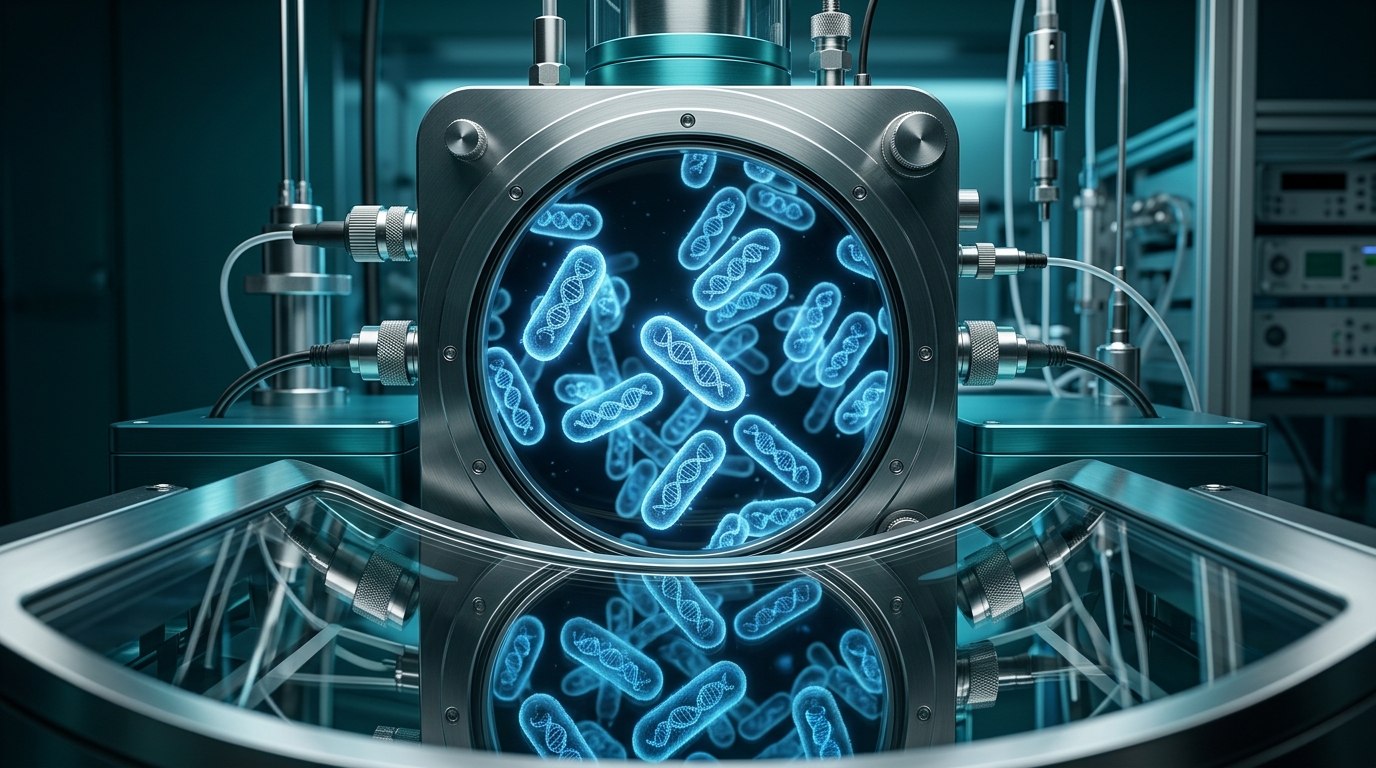
The idea of developing 'mirror bacteria,' which scientists and ethicists discussed as a future technology in 2019, has recently become more concrete, leading to a resurgence in discussions about the potential risks and possibilities this artificial life form poses to humanity. In February 2019, about 30 synthetic biologists and ethicists convened at a conference center in Northern Virginia to discuss high-risk, advanced technology ideas, where the creation of 'mirror bacteria' was selected as an innovative and intriguing concept.
'Mirror bacteria' is a concept designed to have mirror-image structures for key molecules of living cells, such as DNA and RNA, which rotate in the opposite direction to those found in nature. This utilizes the 'chirality' characteristic of life forms and is expected to possess unique biochemical properties.
When first proposed, this idea garnered significant interest from researchers, including pioneers in the field of synthetic biology. John Glass, a researcher at the J. Craig Venter Institute, expressed anticipation, stating that the project could provide new insights into cell design and the origin of life. Researchers noted the potential to develop novel pharmaceuticals using mirror bacteria that would function identically to existing drugs but without eliciting immune responses.
However, concerns have also been raised regarding the potential risks that such technology could bring.