Lee Jae-myung's Real Estate Policy Sparks Market Freeze Concerns
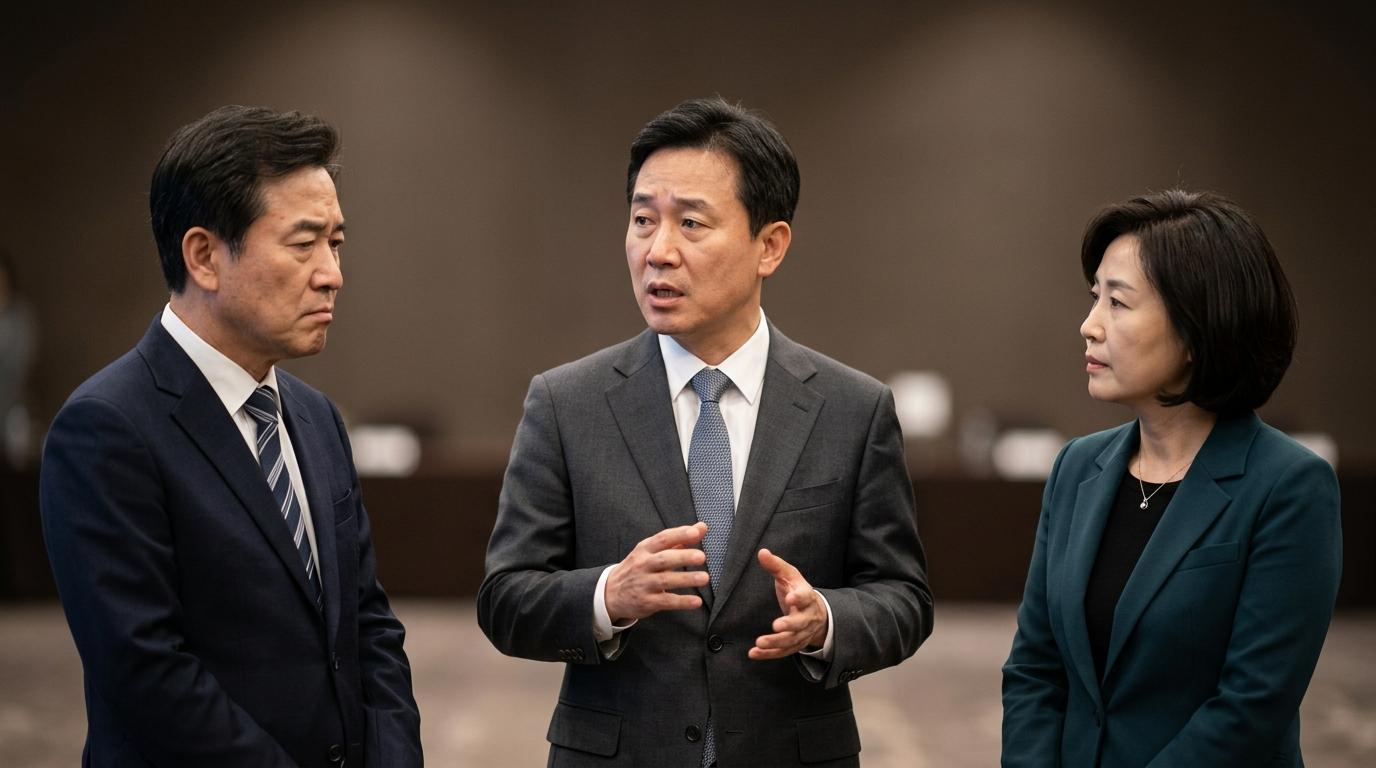
President Lee Jae-myung's real estate policies are reportedly causing rigidity in the housing market, making transactions difficult for both buyers and sellers. This situation has direct implications for public housing stability and economic activity. By drastically increasing tax burdens at the stages of ownership and transfer, both sellers and buyers face obstacles. In a market where transactions are blocked, price adjustments or rational supply and demand signals cannot function.
There is significant room for debate on whether property value increases are uniformly unearned income, and applying excessive regulations to real estate raises fairness concerns.
President Lee Jae-myung exhibits a style of prioritizing the interests of the majority and decisively pushing through policies, even if it means infringing on the property rights or vested interests of a minority, with his real estate policy serving as a prime example. Regarding tax benefits for single homeowners holding property for over 10 years, President Lee remarked, "It seems strange to offer tax cuts just because one has held property for a long time."
Real estate is considered the backbone of the Korean economy and a long-term asset class where short-term trading is not feasible. Excessive regulation in this area can impact the broader real economy, affecting construction, finance, and consumption.
Meanwhile, some analyses suggest that the boom in the stock market has led to an influx of funds into stocks, thereby having a calming effect on real estate speculation.
쿠팡 파트너스 활동의 일환으로 일정 수수료를 제공받습니다