Where to Find Reliable Information on Vaccine Safety After BCG Arsenic Detection
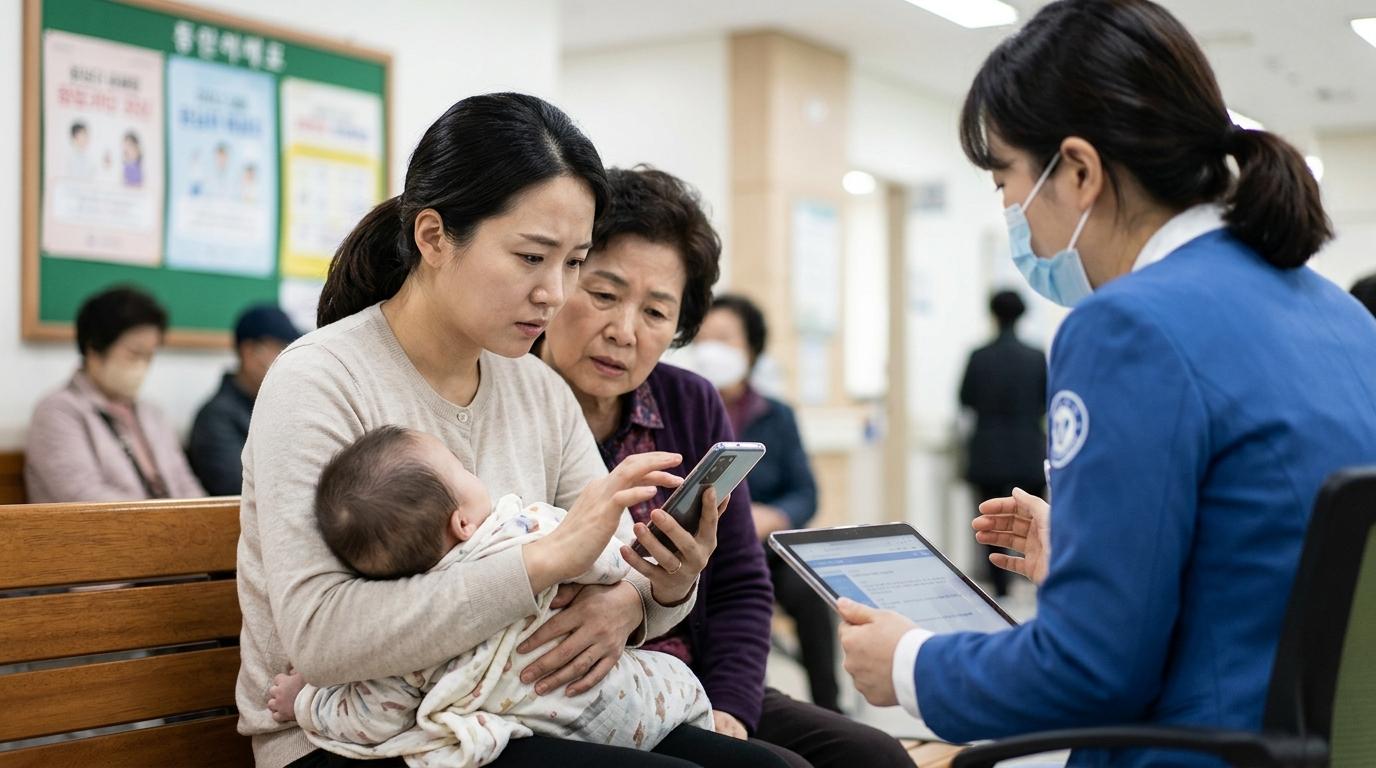
The incident in December 2023, where arsenic was detected in the raw material for domestically produced BCG vaccine, amplified public anxiety regarding vaccine safety. Fortunately, it was discovered during internal pre-shipment quality control checks and did not lead to actual vaccinations. However, such matters have once again heightened societal awareness about the thorough safety management of essential medicines, including vaccines, throughout their manufacturing and distribution processes. While vaccines are a cornerstone of public health, scientifically proven for their efficacy, the potential for rare risks always exists, making transparent and reliable access to information crucial for maintaining public trust.
Reflecting on the lessons learned from the BCG arsenic detection incident and the importance of information reliability, the discovery of arsenic exceeding regulatory limits in BCG vaccine raw materials in December 2023 sparked national concern about vaccine safety. The affected vaccine was not distributed, and prompt action by the Ministry of Food and Drug Safety (MFDS) and the Korea Disease Control and Prevention Agency (KDCA) prevented any further harm. However, the incident underscored the critical importance of rigorous safety management across the entire lifecycle of essential medicines, from manufacturing to distribution. Vaccines are undoubtedly key public health tools validated through extensive research and clinical trials, yet the possibility of potential manufacturing errors always remains.
Against this backdrop, the public's access to vaccine-related information has significantly increased due to the internet. However, this simultaneously creates an environment where misinformation, 'fake news,' and unverified claims can spread rapidly. Therefore, obtaining accurate and up-to-date information on vaccine safety has become more critical than ever, with ensuring the 'reliability' of information emerging as a core challenge.
Official Channels for Vaccine Safety Information: The Role and Functions of Government Agencies
The most accurate and authoritative information on vaccine safety can be obtained through official government bodies. The Ministry of Food and Drug Safety (MFDS) and the Korea Disease Control and Prevention Agency (KDCA) play pivotal roles in managing vaccine safety and providing information to the public. These agencies oversee the entire process, including vaccine approval, distribution, and usage, based on scientific evidence and legal standards.
At the forefront of pharmaceutical safety management, the Ministry of Food and Drug Safety (MFDS) is responsible for the approval of all domestic pharmaceuticals, safety and efficacy reviews, oversight of manufacturing and quality control, and post-market safety management. Pharmaceuticals like vaccines must undergo MFDS's stringent approval process before being released to the market. This includes compliance with Good Manufacturing Practice (GMP) standards, ingredient analysis, and safety and efficacy evaluations. Furthermore, it handles post-market safety activities such as collecting and analyzing adverse event reports, disseminating safety information, and managing changes to approved indications. In cases of critical issues affecting the quality or safety of vaccines, such as the BCG arsenic detection incident, the MFDS serves as the primary source of reliable information through official press releases, website notices, and pharmaceutical information systems.
The Korea Disease Control and Prevention Agency (KDCA) oversees the national immunization program for public health protection and disease prevention, managing vaccination policies and monitoring vaccine safety. KDCA is responsible for vaccine supply management, establishing recommended vaccination schedules, and continuous safety monitoring through the operation of the Adverse Event Reporting System (ADERS). Public communication regarding vaccine safety, including policy changes, safety alerts, and statistics on adverse events, is primarily conducted through KDCA. In situations involving significant vaccine quality or safety issues, like the BCG arsenic detection incident, KDCA collaborates closely with the MFDS to decide on measures such as halting vaccinations or recalling products and transparently communicates these outcomes to the public.
The Korea National Institute of Health (KNIH), a research institute under the Ministry of Health and Welfare, supports the scientific evaluation of vaccine safety by conducting research for disease prevention and control. Specifically, when new safety issues arise concerning vaccines or when the long-term safety of vaccines needs evaluation, KNIH utilizes its specialized research capabilities to establish scientific evidence. By providing in-depth scientific research results, including vaccine component analysis, elucidation of adverse reaction mechanisms, and support for epidemiological investigations, it contributes to the scientific validity of policy decisions and vaccine safety information disseminated by the MFDS and KDCA. While direct access to research findings may be challenging for the general public, these results form a crucial basis for official announcements and policy development by relevant government agencies.
Multifaceted Approaches to Accessing Vaccine Safety Information
While government official websites are essential for obtaining the most accurate and authoritative vaccine safety information, cultivating a habit of verifying expert opinions and critically assessing media reports is also important.
To obtain the most accurate and reliable vaccine safety information, actively utilize official government websites and information systems. The MFDS's 'Drug Safety Korea (nedrug.mfds.go.kr)' provides comprehensive pharmaceutical safety information, including approval details, adverse event data, and safety alerts. For instance, one can search for specific vaccine indications, precautions, and adverse reactions. The KDCA's 'Vaccination Helper (nip.kdca.go.kr)' contains detailed information on the national immunization program, vaccine-specific safety data, and reports and statistics on post-vaccination adverse events. These websites serve as the most dependable channels for acquiring professional, verified, and up-to-date information, preceding unverified sources from news searches or social media. In specific incidents like the BCG arsenic detection, these agencies detailed investigation results and actions through these channels.
Leveraging related academic societies and institutions is crucial for accessing expert and academic opinions, which play a significant role in understanding vaccine safety information. Professional societies in relevant fields, such as the Korean Medical Association, the Korean Pediatric Society, and the Korean Society of Infectious Diseases, publish their latest medical insights and expert views on vaccine safety through regular academic conferences, statements, and press releases. These societies may also simplify complex medical information for public comprehension or provide scientific analyses of specific vaccine issues. For example, when encountering overseas expert opinions, such as those from Japan's health impact assessments, verifying the credibility of the institution and the evidence supporting their conclusions is important. Additionally, reliable expert opinions can be accessed through health information channels or public lectures hosted by experts in infectious diseases or pediatrics at major university hospitals.
Finally, critically accepting media reports and practicing fact-checking is vital for disseminating information about vaccines to the public. However, media coverage can sometimes be sensationalized or focus on selective information. Therefore, when encountering media reports, it is important to always check the source and critically evaluate whether the content aligns with official agency announcements or consensus expert opinions. Especially for sensitive issues like the BCG arsenic detection incident, it is advisable to compare reports from multiple media outlets and undergo a fact-checking process by directly consulting official government announcements to clarify factual details. Information from general Q&A platforms like 'Knowledge iN' or personal blogs may contain personal experiences or interpretations and must always be cross-referenced with official sources. For instance, the reliability of information regarding recalls for specific lot numbers (e.g., KHK 147-149) should be judged by comparing it with official announcements from relevant agencies.
쿠팡 파트너스 활동의 일환으로 일정 수수료를 제공받습니다