Government Allocates Additional Budget to Curb Oil Prices and Support Household Costs

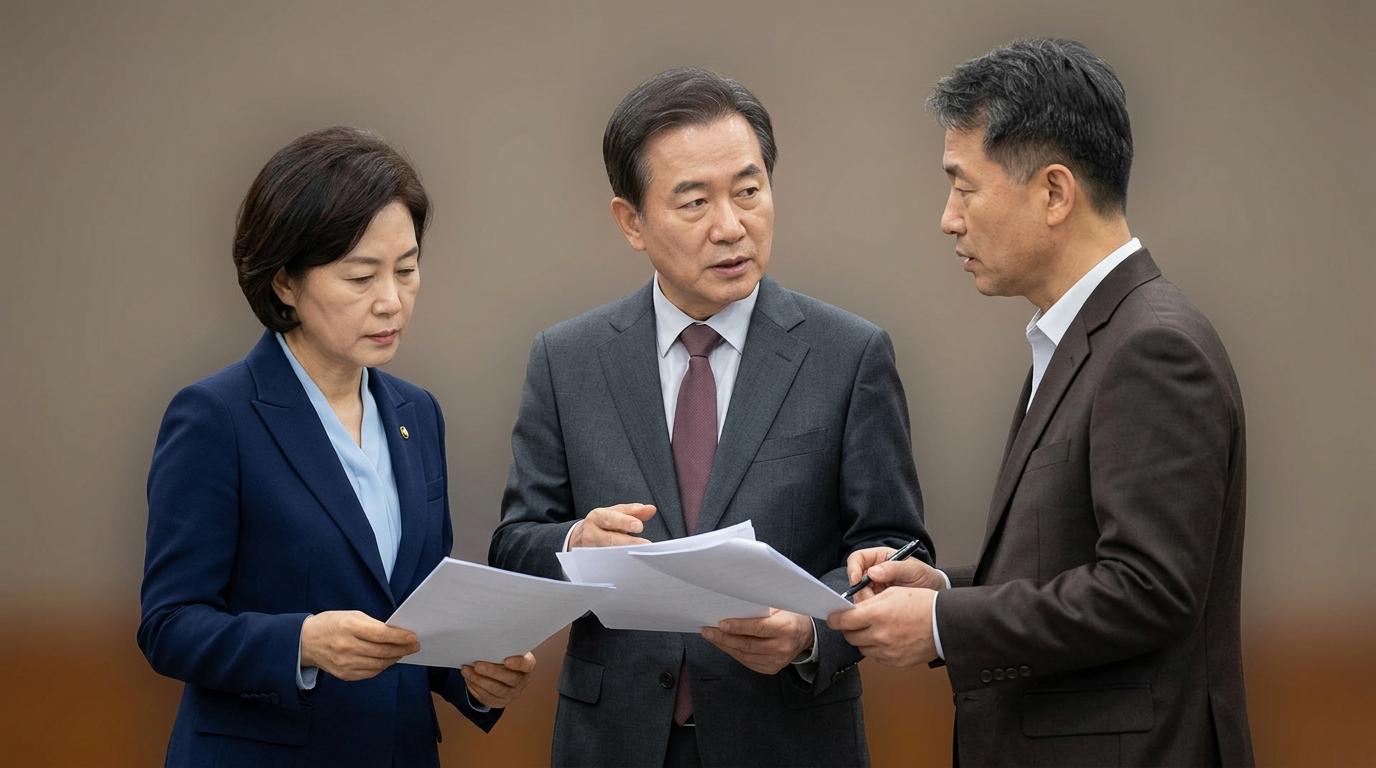
As the unstable situation in the Middle East continues, energy prices and logistics burdens are spreading, impacting the overall economy. The government is poised to soon decide on the fourth implementation of its oil price cap system and is reviewing the allocation of an additional budget to support SMEs and ordinary citizens.
Prime Minister Kim Min-seok announced on the 22nd at an emergency economic council meeting that the third phase of the oil price cap system would end on the 22nd and a decision on the fourth phase would be made shortly. The government had anticipated that the oil price cap system would prevent price surges, alleviate consumption slowdowns, and cushion the impact on oil-sensitive groups such as truck drivers. Given that oil prices are a variable that can sequentially affect logistics costs, manufacturing costs, and prices for dining out and retail, it was difficult to easily decide on ending the price cap system.
Prime Minister Kim set the direction for the supplementary budget as 'tangible assistance for SMEs and ordinary citizens' and emphasized that measures would be devised to provide practical help to those who first feel the impact of the prolonged Middle East war.
The Financial Stability Task Force will establish a special rider for car insurance discounts for those participating in the car rationing system next month and build a financial support framework for the petrochemical industry's naphtha imports. This initiative aims to reduce cost shocks for the petrochemical sector, which faces increased import costs during periods of rising oil prices, by providing additional financial support. This response acknowledges that energy price instability can extend beyond individual company profits to weaken the competitiveness of the entire industry.
The Livelihood and Welfare Task Force will continue special crackdowns related to the notice prohibiting hoarding and profiteering of syringes and needles, guarding against the spread of anxious sentiment beyond energy to essential medical and daily necessities. The government is wary of the anxiety spreading from energy to essential medical and daily goods during the prolonged Middle East conflict. In times of crisis, hoarding of certain items and disruption of distribution often amplify price instability.
Prime Minister Kim, referencing the COVID-19 pandemic, stated that crises should be leveraged as opportunities for industrial innovation. He evaluated the COVID-19 crisis as a chance to improve the quarantine system and foster the biopharmaceutical industry, urging all ministries to concurrently identify future challenges while responding to the impact of the prolonged Middle East conflict. This implies a need to move beyond immediate short-term measures for oil and price management towards energy structure transformation, supply chain stabilization, and industrial resilience improvement.
This emergency economic council meeting demonstrates the government's recognition of Middle East risks as a complex crisis shaking livelihoods, industries, and finance. The decision on the fourth implementation of the oil price cap system will serve as a test case. If an extension is decided, it will clarify the government's resolve to defend prices, but balancing market functions with fiscal burden will be a challenge. Conversely, if the system is terminated, supplementary measures will be needed to address how quickly oil price hikes will be passed on to consumer prices and industrial costs.