Trump's Middle East Operation Upends Expert Predictions

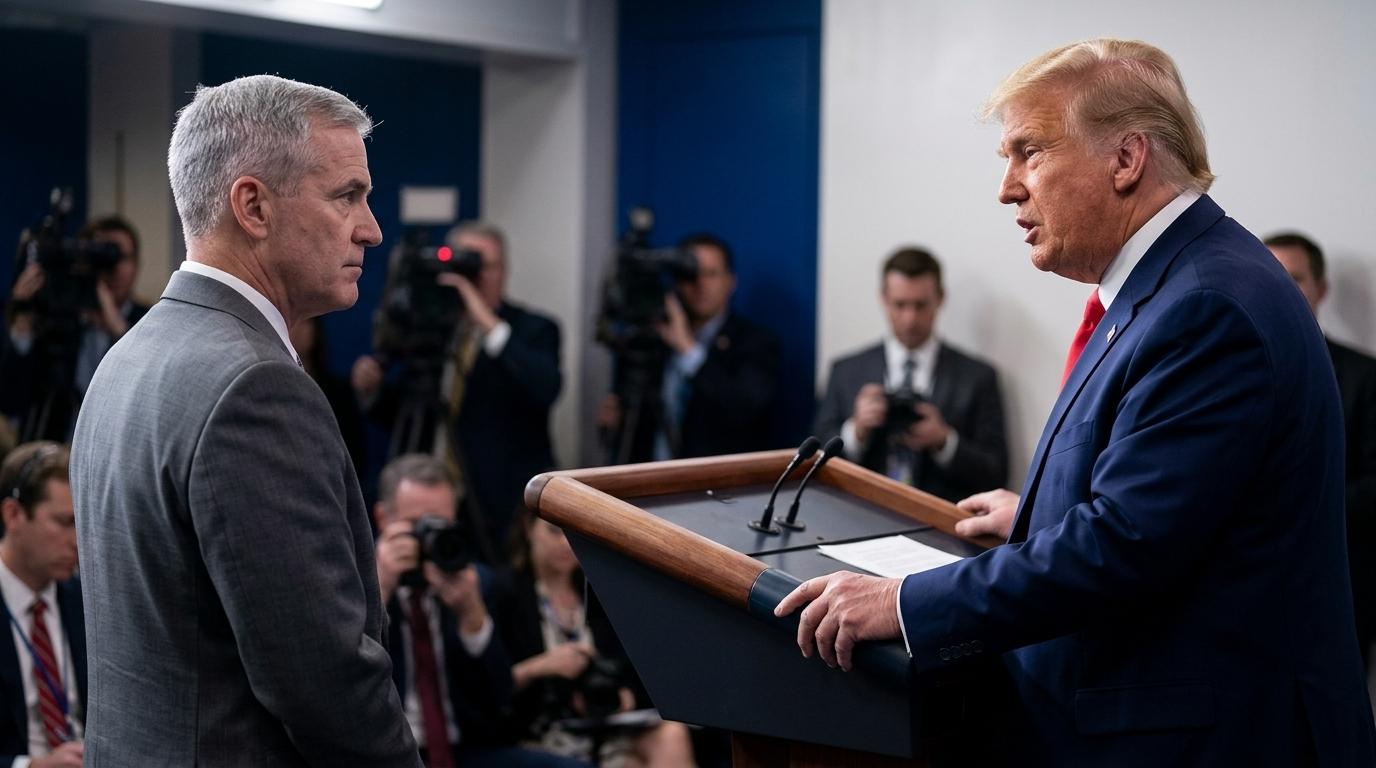
The 'Operation Epic Fury' spearheaded by U.S. President Donald Trump is reshaping international relations in the Middle East in ways contrary to expectations. Two months after the operation's launch, major concerns raised by some experts, such as China's expanding influence or a surge in energy prices, have not materialized. China has played no discernible role in the unfolding Middle East situation, while forces supporting the U.S. and Israel have coalesced in the Persian Gulf region. Fears of an 'arc of fire' being formed by Iran's terror proxies around Israel have also failed to materialize, with groups like the Houthis, Hamas, Shiite militias in Iraq, and Hezbollah remaining largely quiet to date. Israel, through diplomatic channels with Lebanon, has negotiated an offensive and ceasefire concerning Hezbollah, a process that excluded Iran and its proxies.
Although Iran threatened international energy supplies by attempting to blockade the Strait of Hormuz, predictions of prices soaring to $200 per barrel did not come to pass. While prices for some petroleum products like gasoline and jet fuel saw a slight increase, an overall energy crisis was averted. This was influenced by Saudi Arabia and the UAE successfully diversifying their supply chains by building pipelines bypassing the Strait of Hormuz. Record-high U.S. production of oil and natural gas absorbed the shock of supply restrictions. Notably, increased U.S. natural gas production acted as a buffer, stabilizing prices even amid soaring energy costs in Europe and Asia.
President Donald Trump announced the decision to extend the ceasefire with Iran via social media posts, citing the Iranian government's severely fractured state as the basis for the extension. This demonstrated that 'Operation Epic Fury' is reorganizing the political dynamics of the Middle East region beyond mere military confrontation.

쿠팡 파트너스 활동의 일환으로 일정 수수료를 제공받습니다