Jeju Unveils Model Selling Electricity from EVs, Reducing Heating Costs to 'Zero'

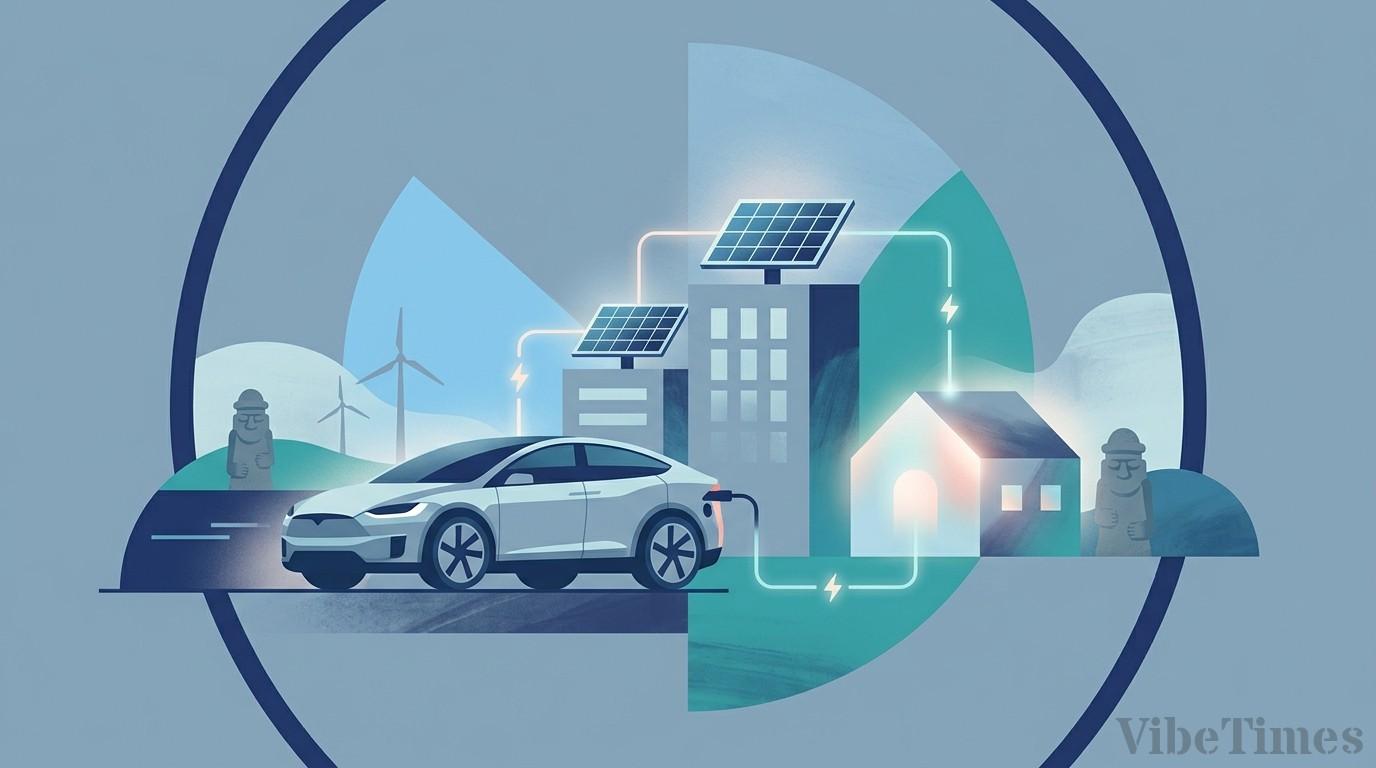
A Jeju-style distributed energy model has been unveiled that enables the sale of electricity from parked electric vehicles and reduces heating costs to 'zero' by utilizing surplus solar power. This model combines 'V2G (Vehicle to Grid)' technology, which allows electric vehicles to be connected to the power grid to buy and sell electricity beyond their function as mere transportation, with 'P2H (Power to Heat)' technology, which generates and stores heat from surplus electricity produced by solar power and other sources for use in heating.
Jeju Special Self-Governing Province shared current demonstration cases of these new energy technologies and their potential for future commercialization at a forum held on the 22nd, attended by approximately 150 residents and officials from related organizations. The 'Eco-Family House,' a public housing project that achieved up to an 80% reduction in energy costs by integrating solar power and heat pumps, also garnered attention.
Oh Seung-jin, a senior researcher at the Korea Institute of Industrial Technology, explained the P2H (Power to Heat) model, which stores heat generated by operating heat pumps during the day when solar power generation is high, and uses it for heating in the evenings. This method reduces heating costs by utilizing surplus electricity. Demonstration results from five households in the Jeju region showed a 30-70% reduction in heating expenses. In trials at greenhouses for tomatoes and apple mangoes, an annual economic benefit of approximately 88.45 million won was analyzed.
Jeju Development Corporation showcased the 'Eco-Family House' case, a remodeled 31-year-old dilapidated house in Hwabuk-dong, Jeju City. This house achieved the 'ZEB PLUS (Zero Energy Building PLUS)' grade, the first for a public housing project nationwide. By linking solar power and heat pumps, gas costs were eliminated, and overall energy expenses were reduced by about 80%.
Discussions at the forum continued on expanding the types of electric vehicles applicable, improving electricity rate structures, and expanding citizen-centric policies. Jeju Province plans to reflect the gathered opinions in its future execution plan for a distributed energy special zone and to produce a 'Distributed Energy Q&A' booklet to help citizens understand the concept.
Jeju Governor Oh Young-hoon stated that the energy models being developed in Jeju are advancing towards becoming an international standard, not just for South Korea. He also revealed that the government is preparing additional budget support as interest in heat pumps and electric vehicle adoption grows.