#정치
June 6 Legislative Report: New Speaker Cho Jeong-sik Hints at Constitutional Amendment as National Assembly Officially Opens

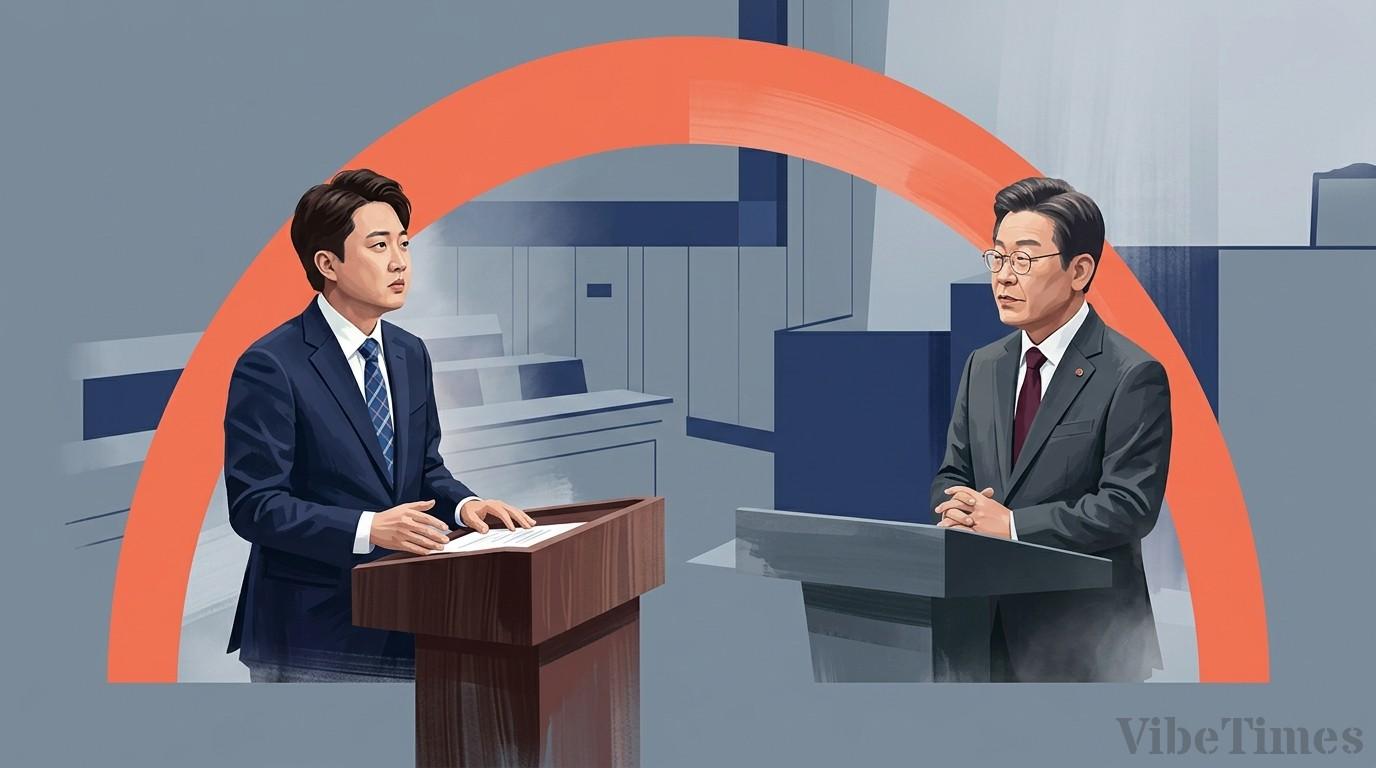
22nd National Assembly: Focus on New Legislative Trends and Impact
The 22nd National Assembly is seeing a mix of anticipation and speculation regarding future legislative activities as negotiations for the election of the speaker and the formation of standing committees gain momentum. The election of Cho Jeong-sik, a six-term lawmaker from the Democratic Party of Korea, as the speaker for the latter half of the term is expected to bolster the Democratic Party's push for legislation. Cho was elected with an overwhelming 267 out of 276 votes cast in the plenary session. As per the National Assembly Act, Cho, who will leave the Democratic Party to become an independent, emphasized the necessity of discussing constitutional amendments during his term, signaling he will be a hot topic in political circles. He stated, "A constitutional amendment is needed to realize national sovereignty and create effective, responsible politics," suggesting that next year, without simultaneous national elections, presents a golden opportunity to begin discussions on constitutional reform. The Blue House also extended its sincere congratulations on Cho's election and pledged close cooperation with the National Assembly. Meanwhile, Lee Jin-sook, a lawmaker from the People Power Party making her first appearance in the National Assembly, drew attention by referencing her past experience as Chairperson of the Korea Communications Commission and offering sharp criticism of the majority Democratic Party. Lee recounted her experience of a bill passing that led to her automatic dismissal and subsequent handcuffing during a police investigation, openly expressing negative memories of the National Assembly and the then-opposition party. This immediately drew backlash from the Democratic Party seats, igniting a war of words between the ruling and opposition parties on the first day of the Assembly. With the election of the National Assembly speaker and the commencement of negotiations for party floor leaders and standing committee assignments, each party's strategy and resolve for overall National Assembly operations are coming to the fore. The Democratic Party, in particular, has made clear its intention to secure key standing committee chairmanships, including the Legislation and Judiciary Committee and the Steering Committee, indicating potential difficulties ahead in the negotiation process for forming the Assembly.Lawmakers' Legislative Tracks and Bill Proposal Trends
The 22nd National Assembly is witnessing new political moves, such as the attendance of Lee Jun-seok, leader of the New Reform Party, at the plenary session. The legislative activities of key figures from each party are drawing attention, including records from the parliamentary activities of Lee Jae-myung, leader of the Democratic Party of Korea, who previously occupied Room 818 of the National Assembly Members' Office Building in Yeouido. As these prominent figures actively engage in parliamentary work, the past records and current legislative efforts of individual lawmakers are coming under scrutiny. From the Jo Guk Innovation Party, Professor Shin Yul of Dongguk University has expressed support for the passage of public welfare and reform bills, such as the 'Kim Keon-hee Special Prosecutor Act,' and has previously raised critical questions regarding the government's economic and personnel policies during interpellations. Furthermore, Rep. Seol Dong-ho of the Jo Guk Innovation Party has shown deep interest in veteran affairs by participating in the proposed amendment to the Act on the Respect and Support for Independence Patriots, and has also raised the need for legislative support to foster the game industry and promote e-sports. Rep. Seok Dae-seong from the same party has supported the swift passage of key bills like the 'Sergeant Chae Special Prosecutor Act' and expressed expectations for the promotion of the culture and content industry as a member of the Culture, Sports and Tourism Committee. Rep. Jeon Seong-soo is also anticipated to leverage his professional expertise from his legal career in real estate redevelopment and reconstruction cases for his future legislative activities. Rep. Choi Yeon-hyuk of the People Power Party, who participated in the review and amendment of arts and culture-related bills, including the Video Rating Committee Act, during the 17th National Assembly, has also actively proposed bills and policies for the promotion of the culture and content industry. Additionally, former U.S. Senator Kelly Loeffler, affiliated with the Republican Party, supported legislation like the 'Women's Entrepreneurship Promotion Act,' working to expand women's economic participation, and expressed stances on various bills concerning support for small and medium-sized enterprises, agricultural issues, and the eradication of human trafficking. Former U.S. Representative Jason Chaffetz participated in reform bills aimed at increasing the efficiency of the federal government and proposed legislation to allow the sale of federal lands. Syrian President Bashar al-Assad, in 2012, attempted to transfer some powers through a constitutional amendment and improve presidential elections. Former UK Justice Minister Baroness Scotland contributed to the legislation and implementation of bills related to domestic violence, child abuse, and sexual offenses, and was involved in promoting legislation for child protection and abuse prevention. The legislative trajectories of lawmakers from diverse backgrounds serve as crucial indicators for gauging the legislative direction and policy priorities of the current 22nd National Assembly.Analysis of Key Bill Discussions and Market/Industry Impacts
The various bills currently being discussed in the 22nd National Assembly are analyzed to have significant impacts not only on specific industries but also on the overall economic and social structure. Notably, bills such as the 'Special Prosecutor Act for Fabricated Indictments' and the amendment to the Criminal Procedure Act, which proposes the abolition of the prosecution's supplementary investigation rights, are sensitive issues that could shake the foundations of the judicial system and are expected to cause considerable ripples across the legal profession and related industries. If these bills are passed, a reduction in prosecutorial investigative capacity, changes in the related legal services market, and a redefinition of investigation methods and procedures will become inevitable. In the culture and content industry, the legislative support needed to foster the game industry and promote e-sports, raised by Rep. Seol Dong-ho of the Jo Guk Innovation Party, is drawing attention. This could positively impact investment and job creation in the gaming sector, contributing to the strengthening of the related industrial ecosystem. Furthermore, the culture and content industry promotion bills pursued by Rep. Choi Yeon-hyuk during the 17th National Assembly can be seen as precursors to the current K-culture craze, with some evaluating these past efforts as foundational for the current development of the cultural industry. Provisions concerning the reduction of U.S. Forces Korea and restrictions on the transfer of wartime operational control within the National Defense Authorization Act passed by the U.S. House of Representatives could directly impact the security landscape of the Korean Peninsula and the defense industry. This could serve as an impetus for reassessing the South Korean government's strategies for strengthening self-reliant defense capabilities and fostering the defense industry. Meanwhile, legislation like the 'Women's Entrepreneurship Promotion Act,' supported by former Senator Kelly Loeffler, holds the potential to expand women's economic participation and grow related financial and support service markets. Thus, while the scope and timing of impact may vary depending on the content of the bills, all legislative activities will, in the long term, have complex effects on market competition, investment direction, and industrial restructuring.Outlook and Implications for Future Legislative Activities
As negotiations for the formation of committees for the latter half of the 22nd National Assembly conclude and standing committees begin their full operations, the future legislative environment is expected to unfold in a more complex and dynamic manner. The newly appointed Speaker Cho Jeong-sik is poised to lead political discussions by presenting the significant task of 'constitutional amendment,' suggesting that follow-up measures regarding related laws and systems will accompany the process of constitutional reform. The momentum for legislation led by the Democratic Party is likely to strengthen, with particular speed anticipated in the passage of 'public welfare legislation' and 'reform bills.' However, negotiations over standing committee assignments, where the gap between ruling and opposition party stances is sharp, are expected to be arduous. The fierce contention between the parties over control of key committees such as the Legislation and Judiciary Committee and the Steering Committee could affect the efficiency of overall National Assembly operations and policy-making processes. Therefore, the ability to find political compromises in these processes will be a crucial variable determining the productivity of the National Assembly. The individual legislative activities of each lawmaker also warrant attention. The deep discussions by Jo Guk Innovation Party lawmakers on specific sectors like veteran affairs, culture, and the game industry raise expectations for policy support that could drive the growth of these industries. Furthermore, policy proposals from lawmakers like Rep. Lee Jin-sook of the People Power Party, who entered the National Assembly based on past administrative experience, can offer new perspectives. Ultimately, the legislative activities of the 22nd National Assembly will proceed in reflection of the current economic situation, social demands, and changes in the international political landscape. The legislative trends of the National Assembly will serve as important variables for financial markets, industrial investment, and corporate management, necessitating close monitoring of related information and careful analysis of opportunities and risks arising from policy changes. In particular, by comparing and analyzing past legislative precedents with currently discussed bills, valuable insights can be gained for setting the direction for economic actors in the long term.
Related Articles
National Assembly Data Analysis: Park Ju-min Was the Most Left-Wing on Economics
정치
비대면진료, 법은 문 열었는데 규칙이 반쯤 닫았다
정치
대장동 막는 법 나온 지 4년, 국토부 검사 0건
정치
Ruling and Opposition Parties Simultaneously Fire Up Special Prosecutor Push and Chief Justice Impeachment
정치
President Lee Jae-myung Loses for Words Upon Learning Firefighter's Daughter Is Only 7
정치
Negative Assessment of President's Job Performance Stays Above Majority at 60.4%, Down 1 Percentage Point
정치